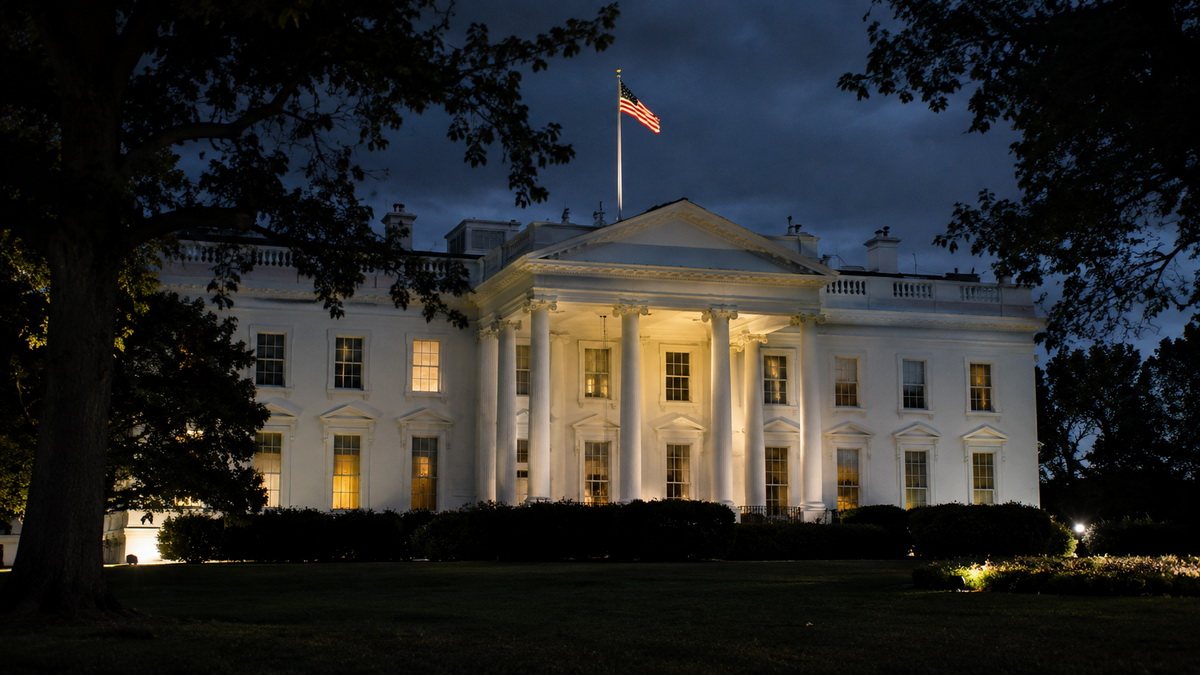
With the midterm elections just two days away, President Donald Trump's administration is preparing for a future in which Democrats control Congress — and the White House is developing strategies to continue advancing its agenda without their approval.
According to a November 1 Reuters investigation, senior administration officials have spent months identifying ways to expand presidential action through executive orders, emergency powers, regulatory changes, and existing federal spending authority.
The preparations raise significant questions about congressional oversight, the separation of powers, and how far a president can legally go when facing opposition from the legislative branch.
Planning Began Months Ago
Reuters reports that Deputy White House Chief of Staff Stephen Miller, Office of Management and Budget Director Russell Vought, and White House lawyers have been working since April to identify policies Trump could pursue without new legislation.
Their discussions cover immigration restrictions, tariffs, housing policy, and federal spending.
White House Counsel Will Scharf and his team are reportedly examining not only what Trump can legally accomplish independently, but also where the administration might test the boundaries of presidential authority.
Trump has been briefed on the preparations and participated in discussions, according to Reuters.
Expanding Presidential Control
Among the proposals under consideration are additional tariffs on critical minerals and wind turbines, tighter visa restrictions for international students and temporary foreign workers, and changes to federal grant programs.
Vought is reportedly examining how previously appropriated funds could support administration priorities without additional congressional authorization.
Another proposal would give political appointees greater influence over which federal programs receive taxpayer funding.
Such changes could increase White House control over federal spending decisions, although existing statutes would still constrain how appropriated money could be used.
Preparing for Congressional Investigations
The administration is also preparing for something executive orders cannot prevent: congressional oversight.
Reuters previously reported that Democratic lawmakers have discussed investigating whether Trump used presidential authority to benefit himself, political allies, or donors.
According to the latest investigation, White House lawyers have been advising administration officials on responding to subpoenas, document requests, and congressional inquiries.
Officials have reportedly been cautioned about what they put in writing.
White House lawyers have also sought a Justice Department opinion concerning whether executive privilege could protect communications between Trump and private advisers.
Executive privilege is a recognized constitutional principle, but its application is limited and can be challenged in court.
Trump's Expanding Use of Executive Power
Since returning to office in January 2025, Trump has relied extensively on executive authority to impose tariffs, pursue immigration enforcement policies, reduce the federal workforce, and implement foreign-policy decisions.
Supporters argue that presidents must retain the ability to execute existing laws and manage federal agencies even when Congress opposes their priorities.
Critics contend that expansive interpretations of executive authority can undermine Congress's constitutional responsibilities.
A Democratic-controlled Congress could block legislation, reject nominees, investigate administration conduct, and challenge spending decisions.
Federal courts could also invalidate executive actions exceeding statutory or constitutional authority.
A Test of Constitutional Checks and Balances
The White House disputes suggestions that Republicans are preparing for defeat and maintains that the administration will continue pursuing its policy commitments.
Trump himself has suggested he could initially rely heavily on vetoes before negotiating with Democrats.
The Reuters findings nevertheless reveal extensive preparation for governing amid congressional opposition.
Preparing lawful executive actions is not itself misconduct. But the administration's reported interest in testing presidential authority while preparing defenses against investigations deserves scrutiny.
The central question is whether these strategies will respect Congress's constitutional powers or provoke further confrontations over the limits of the presidency.
The election will determine who controls Congress. It will not eliminate the constitutional obligation of either branch to respect the authority of the other.