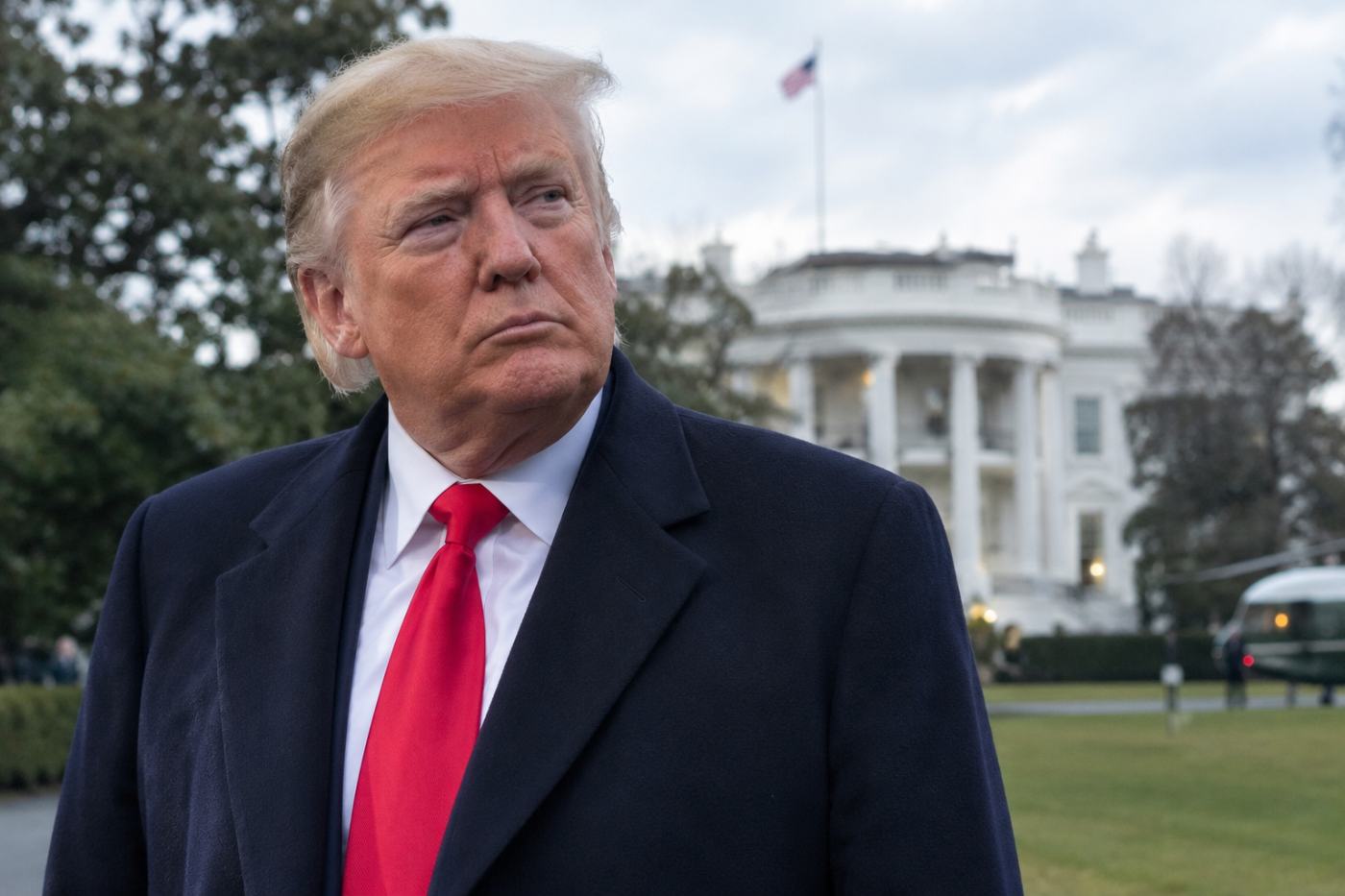
President Donald Trump's refusal to acknowledge his election defeat is now affecting the operations of the federal government, with the White House instructing agencies not to cooperate with President-elect Joe Biden's transition team.
The extraordinary directive comes two days after major news organizations projected Biden as the winner of the presidential election. Rather than begin the customary transfer of power, the Trump administration is withholding access to government officials, classified briefings, and millions of dollars in transition resources.
According to The Washington Post, federal agencies that spent months preparing for a potential change in administration have been ordered to wait.
The decision threatens to delay preparations for the incoming administration at a time when the country faces a worsening coronavirus pandemic, economic uncertainty, and significant national security responsibilities.
A Transition Held Hostage
At the center of the dispute is Emily Murphy, the Trump-appointed administrator of the General Services Administration.
Under the Presidential Transition Act, the GSA administrator determines the apparent winner of the presidential election for purposes of releasing federal transition assistance.
Murphy has declined to make that determination.
Her decision prevents the Biden team from accessing approximately $6.3 million in its allocated federal transition funding, along with government office space, agency briefings, and other assistance normally provided to an incoming administration.
The White House has instructed agency leaders to await the GSA's decision before cooperating with Biden representatives.
At the U.S. Agency for International Development, officials have reportedly been told not to assist the transition. A lengthy briefing book prepared for the incoming administration remains unused.
Other departments, including Veterans Affairs, are similarly withholding formal briefings.
National Security and Pandemic Concerns
The consequences extend beyond political symbolism.
Incoming administrations ordinarily receive detailed information about ongoing military operations, intelligence threats, diplomatic relationships, and emergency preparedness.
Without formal cooperation, Biden's advisers cannot fully participate in classified national security briefings or receive the customary assistance arranging communications with foreign leaders.
The delay also complicates planning for the federal response to COVID-19, including preparations for distributing a potential vaccine.
Transition experts warn that every day without access reduces the time available for the incoming administration to prepare for governing.
Biden's team is considering legal options while assembling alternative information from former federal officials and outside experts.
Trump's Election Challenges
Trump continues alleging widespread election fraud, although his campaign has not produced evidence demonstrating misconduct sufficient to change the projected outcome.
Republicans defending the delay argue that recounts and legal challenges should be resolved before the federal government formally recognizes an apparent winner.
They point to the disputed 2000 presidential election, when transition assistance was delayed during the Florida recount.
Critics counter that the circumstances are different and that Trump is using unresolved legal challenges to justify withholding cooperation.
The Presidential Transition Act gives the GSA administrator discretion, but does not require a losing candidate to concede before transition assistance can begin.
For now, federal employees who prepared for an orderly handoff are waiting for permission to proceed.
The president's refusal to accept the projected results is no longer confined to campaign statements and lawsuits. It is directly affecting the government's preparations for the next administration, raising questions about the continuity of federal operations and the peaceful transfer of presidential power.