President Donald Trump says he intends to end birthright citizenship through an executive order, setting up a potential constitutional confrontation over a right guaranteed by the 14th Amendment.
In an interview with Axios released Tuesday, Trump announced plans to deny automatic citizenship to children born in the United States to undocumented immigrants and other noncitizens.
Trump insisted that he could accomplish the change without amending the Constitution, claiming his administration was already preparing an executive order.
The announcement comes just one week before the midterm elections, as Trump intensifies his focus on immigration.
Even Republicans Question Trump's Authority
The proposal immediately drew opposition from constitutional scholars and even members of Trump's own party.
Republican House Speaker Paul Ryan rejected the president's claim that he could eliminate birthright citizenship through executive action.
"You cannot end birthright citizenship with an executive order," Ryan said Tuesday.
The 14th Amendment, ratified in 1868 following the Civil War, establishes citizenship for people born in the United States and subject to its jurisdiction.
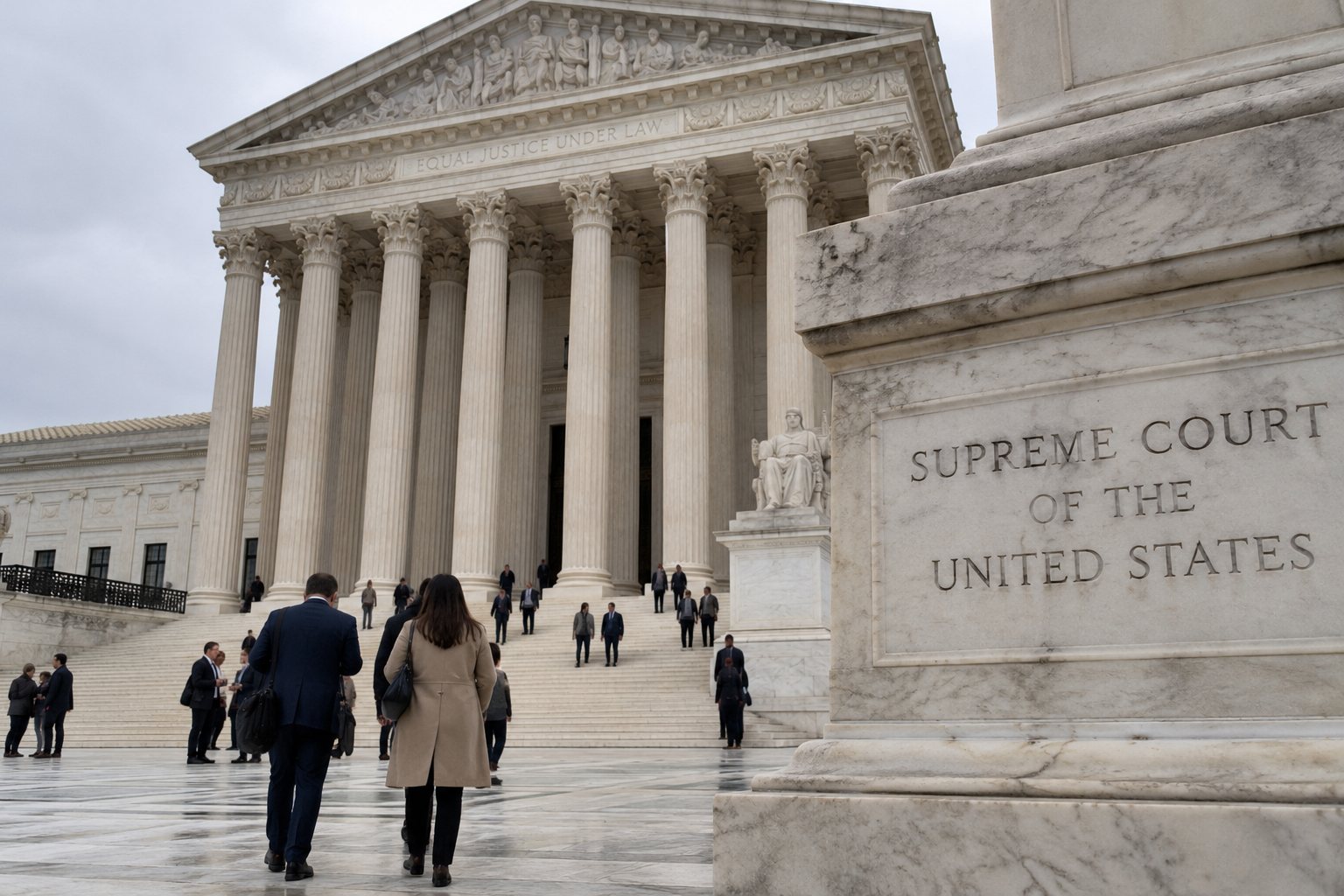
The Supreme Court's 1898 decision in United States v. Wong Kim Ark reinforced birthright citizenship for children born in the United States to immigrant parents.
While some conservative legal scholars argue that the amendment has been interpreted too broadly, most constitutional experts maintain that a president cannot unilaterally rewrite its citizenship protections.
A Constitutional Fight Before the Midterms
Trump also falsely claimed that the United States is the only country granting citizenship based on birthplace. More than 30 countries, including Canada and Mexico, recognize forms of birthright citizenship.
The American Civil Liberties Union condemned the proposal as unconstitutional, warning that an executive order cannot override constitutional protections.
Senator Lindsey Graham, however, welcomed Trump's announcement and said he would introduce legislation addressing birthright citizenship.
No executive order has been signed, and the White House has not released a proposed text.
For now, Trump's announcement raises a fundamental constitutional question: whether a president can use executive authority to restrict citizenship rights that have been recognized for generations.