From Texas to Florida, sweeping allegations of illegal voting have repeatedly collapsed under investigation. Now the Trump administration is making another massive claim just weeks before the midterm elections.*
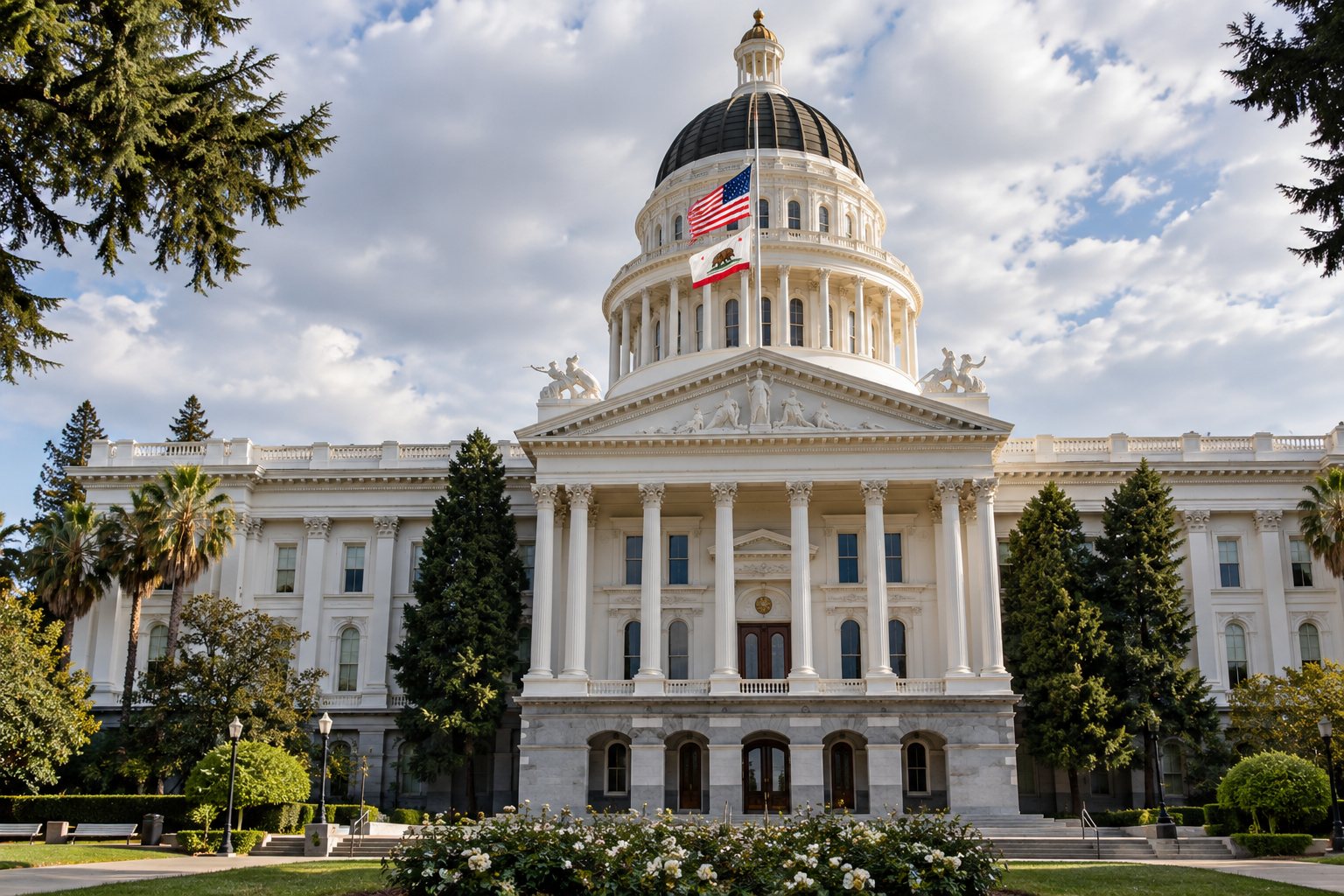
President Donald Trump is threatening California election officials with imprisonment as his Justice Department seeks to block mail-in ballots from approximately 20,000 voters it claims may not be U.S. citizens.
The administration filed a federal lawsuit on October 15, demanding that California prevent those ballots from being counted until citizenship can be verified. California officials say the government has failed to provide sufficient evidence supporting its allegations.
But this is hardly the first time Republican officials have announced enormous numbers of supposedly illegal voters, only for investigations to uncover a dramatically different reality.
Texas, 2019: Republican officials identified approximately 95,000 registered voters as possible noncitizens. Trump amplified the allegations, falsely claiming tens of thousands had voted illegally. Investigators discovered that the flawed data included legitimate American citizens who had become naturalized after obtaining driver's licenses. Texas eventually settled a lawsuit and withdrew the voter-purge effort.
Florida, 2012: Republican officials initially identified approximately 180,000 potential noncitizens on voter rolls. After repeated reviews, the list shrank to roughly 200 suspected cases. Ultimately, about 85 registrations were removed, a tiny fraction of the original figure.
Georgia, 2020: Trump allies alleged that more than 10,000 deceased individuals had voted. State investigators ultimately identified just four cases involving ballots cast in the names of deceased voters.
These examples demonstrate a recurring problem: enormous allegations generate national headlines, while subsequent investigations produce far smaller numbers and sometimes reveal that legitimate American voters were incorrectly accused.
Now California is confronting a similar situation.
The Trump administration says federal immigration records identify approximately 20,000 likely noncitizens on California's voter rolls. Yet state officials question the reliability of those records and say the government has not adequately explained its methodology.
Rather than wait for the legal dispute to be resolved, Trump has publicly threatened election officials with jail time.
Noncitizen voting in federal elections is already illegal, and legitimate cases should be investigated. But previous investigations have repeatedly demonstrated that being flagged in a government database is not proof of illegal voting.
With the November 3 midterms approaching, the distinction is critical. The federal government is seeking to prevent thousands of ballots from being counted before the eligibility questions have been resolved.
The administration maintains that its actions protect election integrity. California officials and voting-rights advocates warn that eligible American citizens could lose their votes because of inaccurate or unverified information.
The history in Texas and Florida raises an obvious question: How many of California's 20,000 suspected noncitizens will actually turn out to be ineligible voters?
For now, that remains unproven. And the consequences of getting it wrong could fall on Americans who have every legal right to vote.