Otto Warmbier went to North Korea as a 21-year-old American college student.
He came home unable to speak, unable to see and unable to respond to commands.
Six days later, he was dead.
Yet on February 28, 2019, President Donald Trump stood before reporters in Hanoi and said he believed North Korean leader Kim Jong Un when Kim claimed he hadn't known what happened to Warmbier.
“He tells me that he didn't know about it,” Trump said, “and I will take him at his word.”
It was an extraordinary statement about an authoritarian leader whose government had arrested, prosecuted and imprisoned an American citizen.
Otto Warmbier Goes to North Korea
Warmbier, a University of Virginia student from Ohio, traveled to North Korea with a tour group in late 2015.
North Korean authorities arrested him in January 2016 as he prepared to leave the country.
The government accused him of attempting to steal a propaganda poster from his hotel.
After a televised confession, Warmbier was brought before North Korea's Supreme Court.
In March 2016, he was sentenced to 15 years of hard labor.
Then he effectively disappeared from public view.
For more than a year, his family had little information about his condition.
What they eventually learned was horrifying.
Warmbier had suffered a catastrophic brain injury.
He Comes Home
In June 2017, North Korea released Warmbier.
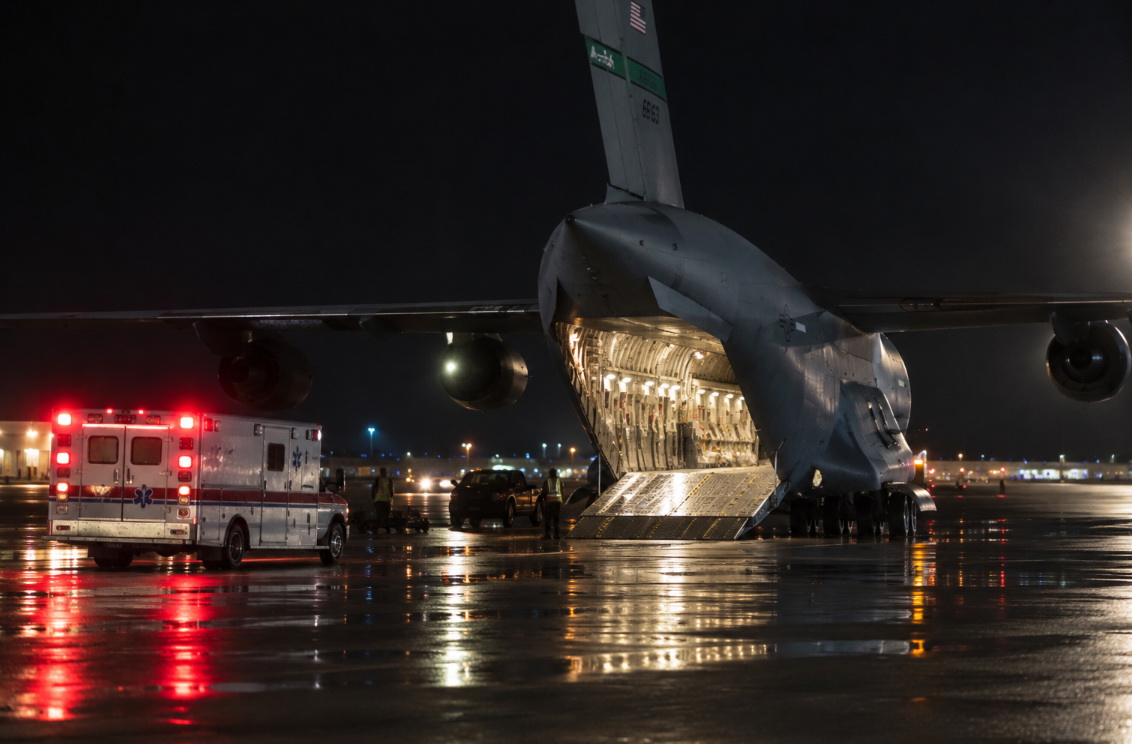
He was carried from the aircraft that returned him to the United States.
He was in a state of unresponsive wakefulness.
Doctors at the University of Cincinnati Medical Center found extensive loss of brain tissue consistent with a prolonged period in which his brain had been deprived of oxygen.
North Korea claimed Warmbier had contracted botulism and had been given a sleeping pill.
His American doctors found no evidence supporting the botulism explanation.
Exactly what happened to Warmbier while he was imprisoned has never been fully established publicly.
Six days after returning to the United States, Otto Warmbier died.
He was 22 years old.
Trump Initially Blames North Korea
Trump's initial reaction left little ambiguity about where he placed responsibility.
After Warmbier's death, the president condemned what he called the “brutality of the North Korean regime.”
Warmbier's story subsequently became part of the Trump administration's case against North Korea.
Trump spoke about him before the United Nations.
He discussed Warmbier during an address to South Korea's National Assembly.
And during Trump's 2018 State of the Union address, Otto's parents, Fred and Cindy Warmbier, sat in the gallery as the president described their son's imprisonment.
Trump told Congress that Otto had returned home “badly injured and on the verge of death.”
The message was unmistakable.
Otto Warmbier represented the cruelty of the North Korean government.
Then Trump's relationship with Kim Jong Un changed.
“I Will Take Him at His Word”
After Trump's second summit with Kim in Hanoi ended without an agreement, a reporter asked Trump whether he had confronted Kim about Warmbier.
Trump said he had.
But rather than hold Kim personally responsible, Trump offered a defense of the North Korean leader.
Trump said he did not believe what happened to Warmbier had been in Kim's interest.
He said North Korean prisons were “rough places” where bad things happened.
And he said he didn't believe North Korea's top leadership knew what had happened.
“I don't believe that he would've allowed that to happen,” Trump said.
According to Trump, Kim told him that he learned about Warmbier's case only later.
Trump accepted that explanation.
“He tells me that he didn't know about it,” Trump said, “and I will take him at his word.”
Trump offered no evidence demonstrating that Kim had been unaware of Warmbier's treatment.
He was describing what Kim had told him — and saying publicly that he believed him.
A Remarkable Benefit of the Doubt
Whether Kim personally knew about Warmbier's medical condition at the time it developed remains a separate question from the responsibility of the North Korean government that imprisoned him.
Warmbier wasn't being held by some independent criminal organization.
He was a prisoner of the North Korean state.
North Korean authorities arrested him.
North Korea prosecuted him.
A North Korean court sentenced him.
North Korea imprisoned him.
And North Korea eventually returned him to the United States with catastrophic brain damage.
Yet Trump publicly gave Kim the benefit of the doubt.
It was particularly striking because of the enormous power Kim exercised over North Korea.
Trump had spent much of the Hanoi summit emphasizing his personal relationship with Kim.
He repeatedly described their relationship in warm terms and said the two men understood one another.
When confronted with one of the darkest episodes involving an American citizen and Kim's government, Trump chose to preserve that relationship.
He accepted Kim's denial.
Otto's Parents Respond
The following day, Fred and Cindy Warmbier broke their silence.
They had largely avoided criticizing Trump while he pursued negotiations with North Korea.
After Hanoi, they issued a direct statement.
They said they had been respectful during the summit process but now felt compelled to speak.
They held Kim and his government responsible for their son's death.
Trump responded later that day by saying his comments had been “misinterpreted” and that he held North Korea responsible for Otto's mistreatment and death.
But that did not erase what he had said in Hanoi.
Asked specifically whether Kim knew what had happened to Otto Warmbier, the president of the United States had publicly accepted the North Korean leader's denial.
The Cost of Personal Diplomacy
The moment revealed one of the risks inherent in Trump's highly personal approach to diplomacy.
Trump had invested heavily in his relationship with Kim.
The president believed that establishing trust between the two leaders could succeed where decades of conventional diplomacy had failed.
But maintaining that relationship also appeared to affect how Trump spoke publicly about Kim.
The same president who had once invoked Otto Warmbier as evidence of North Korea's brutality was now defending Kim from personal responsibility for what happened.
There was no breakthrough on North Korea's nuclear weapons in Hanoi.
There was no agreement.
There was no denuclearization timetable.
And amid the wreckage of the summit, Trump offered one final concession — not a concession of sanctions or money, but one of credibility.
Kim Jong Un said he didn't know what happened to Otto Warmbier.
Donald Trump told the world he believed him.