Donald Trump announced what sounded like a significant diplomatic breakthrough last Monday.
Ukraine and Russia, he said, had agreed to stop attacking each other's energy infrastructure.
“Ukraine has agreed not to hit Russian Energy targets. Russia has agreed to do, likewise!” Trump wrote.
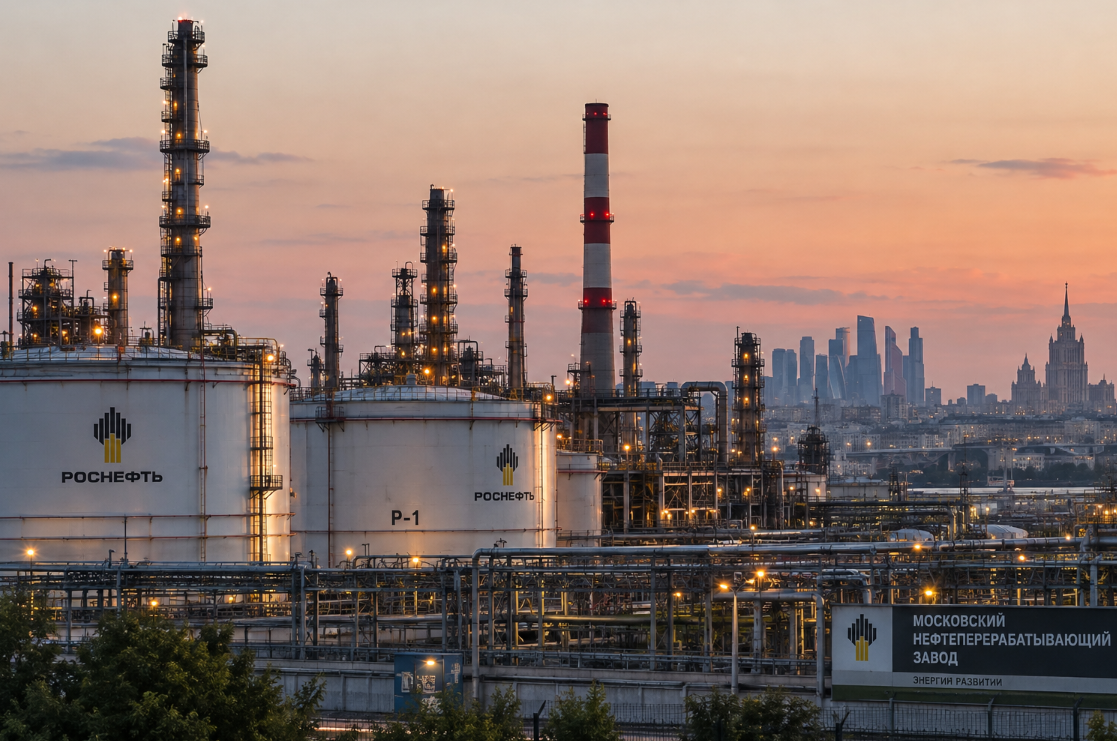
Less than a week later, Ukrainian drones were striking an oil refinery in Moscow.
And Russia had continued attacking Ukrainian energy infrastructure as well.
The problem wasn't simply that a ceasefire collapsed.
Public statements from Ukraine at the time suggested that the agreement Trump announced may never have existed in quite the form he described.
Trump Announced a Deal
Trump's announcement came September 14, one day after he publicly urged Ukrainian President Volodymyr Zelenskyy to stop attacking Russian oil refineries.
Trump had become increasingly concerned about global diesel prices.
Ukraine has spent months attacking Russian refineries in an effort to weaken one of the most important sources of revenue supporting Vladimir Putin's war.
Those attacks have been effective.
Several major Russian refineries have been forced to shut down or reduce production, contributing to fuel shortages inside Russia and tightening global diesel supplies.
Trump wanted the attacks stopped.
On September 13, he publicly told Zelenskyy to leave Russian diesel infrastructure alone.
“Zelenskyy has to do one thing. He has to stop knocking out diesel fuel in Russia,” Trump said.
Trump said Ukraine could attack other military targets.
Just not the refineries.
The following day, Trump announced that he had secured something much bigger.
According to the president, both sides had agreed to stop attacking energy infrastructure.
Zelenskyy's Version Was Different
Ukraine's response was considerably more cautious.
Zelenskyy did not simply confirm that Ukraine had agreed to stop attacking Russian energy facilities.
Instead, he described a conditional proposal.
Ukraine would stop striking Russian energy infrastructure if Russia genuinely stopped attacking Ukrainian energy and critical infrastructure first — and if Ukraine's partners could ensure that Russia honored the arrangement.
That is not quite the same thing as an unconditional agreement already reached by both countries.
Zelenskyy said Ukraine was prepared to reciprocate if Russia stopped.
He also made clear that any arrangement needed to be reliable and lasting.
Meanwhile, the Kremlin initially provided no comparable public confirmation of Trump's announcement.
That left an obvious question:
Had Trump announced an agreement before both sides had actually agreed to it?
Then the Bombs Kept Falling
Whatever diplomatic understanding existed, it did not stop the attacks.
On September 15 — just one day after Trump's announcement — Russia attacked fuel facilities in Kyiv.
Ukraine attacked a Russian oil refinery.
The fighting continued.
Then came Sunday.
Ukraine launched one of its largest drone operations of the war against Russia.
Russian authorities reported more than a thousand Ukrainian drones involved in the broader attack, with hundreds directed toward Moscow.
One of the targets was exactly the kind of facility Trump had specifically asked Zelenskyy not to attack:
an oil refinery.
Drones struck the Moscow Oil Refinery, a major facility serving the Russian capital.
Ukraine has increasingly targeted refineries because petroleum production remains critical to Russia's economy and its ability to finance the war.
In other words, less than a week after Trump announced that Ukraine had agreed to stop attacking Russian energy targets, Ukraine attacked one of Russia's most important oil facilities.
Ukraine Isn't Hiding What It's Doing
Ukraine has made little secret of its strategy.
Its long-range drone campaign is intended to damage the economic infrastructure supporting Russia's invasion.
Oil is particularly important.
Russia is one of the world's largest petroleum producers, and energy exports provide enormous revenue to Moscow.
Damaging refineries can reduce Russia's ability to produce gasoline and diesel, create shortages inside the country and reduce petroleum exports.
Ukraine views those facilities as part of Russia's war-making capacity.
The strategy has produced measurable results.
Russian refineries at Syzran and Saratov recently halted operations following Ukrainian drone attacks.
Russia has also imposed restrictions on fuel exports as it struggles with domestic shortages.
From Kyiv's perspective, stopping those attacks would mean voluntarily giving up one of its most effective tools for putting economic pressure on Putin.
That may help explain why Zelenskyy's response to Trump's announcement was so carefully worded.
Trump Is Worried About Diesel Prices
Trump's concern isn't only about Russia.
It is also about American fuel prices.
Diesel prices have risen sharply.
Diesel is particularly important because it powers much of the transportation system that moves goods across the United States.
Trucks use it.
Farm equipment uses it.
Construction equipment uses it.
Higher diesel prices eventually work their way through the economy because transporting food, merchandise and raw materials becomes more expensive.
Trump has blamed Ukraine's attacks on Russian refineries for contributing to the shortage.
But Ukraine is not the only factor affecting global energy markets.
The war involving Iran and disruptions throughout the Middle East have also placed enormous pressure on oil and fuel supplies.
That leaves Trump confronting two interconnected problems.
He wants Ukraine to stop damaging Russian refineries to relieve pressure on global diesel supplies.
But Ukraine believes those attacks are one of its strongest weapons against Russia.
And Russia Didn't Stop Either
There is another reason Ukraine has been reluctant to simply halt its campaign.
Russia has repeatedly attacked Ukraine's energy infrastructure.
Power plants.
Electricity networks.
Fuel facilities.
Heating infrastructure.
Those attacks have left Ukrainian civilians without electricity and heat during the war.
Zelenskyy's position has therefore been reciprocal:
If Russia stops attacking Ukrainian energy infrastructure, Ukraine is prepared to stop attacking Russian energy infrastructure.
That is considerably different from Ukraine simply agreeing to Trump's request to stop.
And after Trump's announcement, Russian attacks continued.
Another Trump Peace Announcement Meets the Reality of the War
Trump has repeatedly said he believes he can negotiate an end to the Russia-Ukraine war.
His administration has opened direct diplomatic channels with both Moscow and Kyiv.
American envoys have met Vladimir Putin.
They have met Zelenskyy.
Trump and Putin have spoken.
Trump and Zelenskyy are now planning another face-to-face meeting in New York during the United Nations General Assembly.
Those negotiations may eventually produce results.
But this week's energy announcement illustrates how difficult the diplomacy remains.
Trump announced that Ukraine and Russia had agreed to stop attacking energy targets.
Ukraine publicly described something more conditional.
Russia initially offered no equivalent confirmation.
The next day, energy targets were being attacked again.
And less than a week later, Ukrainian drones struck an oil refinery in Moscow.
That doesn't mean negotiations are impossible.
It does mean announcements from Washington are not the same thing as agreements implemented on the battlefield.
Trump said the attacks on energy targets would stop.
They didn't.
Now, when Trump sits down with Zelenskyy in New York, o