Donald Trump had spent years arguing that foreign competition was taking advantage of the United States.
On January 22, 2018, that rhetoric began turning into tariffs.
Trump approved sweeping safeguard tariffs on imported solar panels and large residential washing machines, marking one of the first major uses of trade barriers under his administration and foreshadowing the much broader trade confrontations that would follow.
The products seemed mundane: washing machines and solar panels.
The policy behind them was anything but.
Trump was beginning to demonstrate that his campaign promises to aggressively use tariffs were not merely political rhetoric.
The First Tariffs
The administration acted under Section 201 of the Trade Act of 1974, which allows the president to impose temporary safeguards when increased imports are found to be a substantial cause of serious injury to American producers.
The U.S. International Trade Commission had investigated complaints from domestic manufacturers and concluded that increased imports were seriously harming U.S. producers. Trump subsequently accepted recommendations for trade relief.
For imported solar cells and modules, Trump approved a 30 percent tariff during the first year, declining to 25 percent in the second year, 20 percent in the third and 15 percent in the fourth. The first 2.5 gigawatts of imported solar cells were exempt each year.
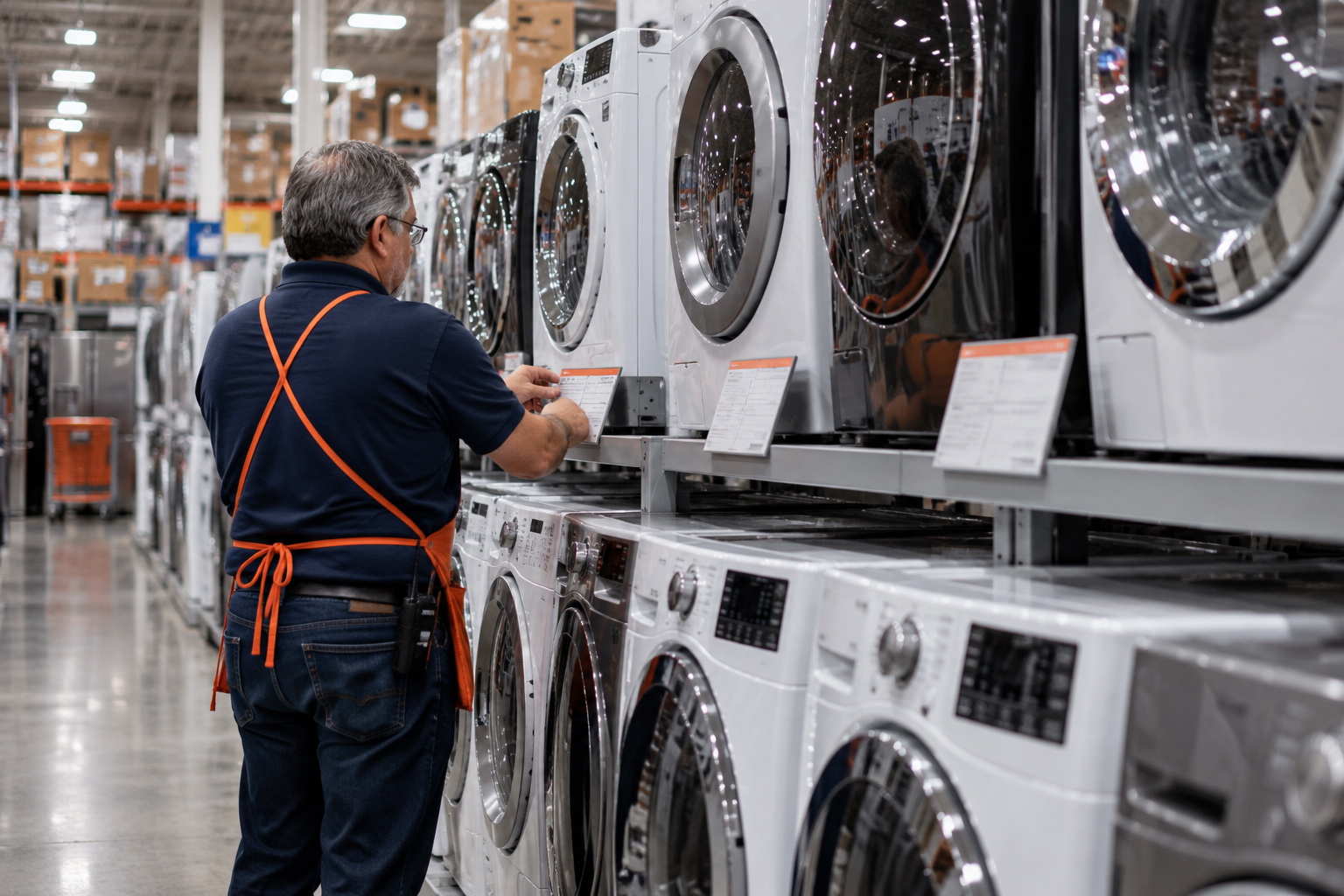
Imported washing machines faced an even steeper barrier.
The first 1.2 million imported finished washers faced a 20 percent tariff during the first year. Imports beyond that threshold faced a 50 percent tariff. Those rates were scheduled to decline during the following two years.
The tariffs ultimately took effect February 7.
Protecting American Industry — at a Cost
The administration presented the decision as protection for American manufacturers and workers.
U.S. Trade Representative Robert Lighthizer said the International Trade Commission had determined that domestic manufacturers had suffered serious injury from rising imports.
Companies seeking protection welcomed the decision.
Whirlpool had spent years challenging foreign washing-machine manufacturers, particularly Samsung and LG, while solar manufacturers Suniva and SolarWorld had sought protection against imported solar products.
But the American industries affected by the tariffs were themselves divided.
While domestic manufacturers could benefit from reduced foreign competition, companies that installed solar panels warned that higher equipment prices could hurt the much larger U.S. solar installation industry.
The Solar Energy Industries Association predicted that the tariffs would reduce investment and cost thousands of American jobs. Washing-machine manufacturers targeted by the tariffs similarly warned that consumers would ultimately pay higher prices.
The fundamental trade-off was already becoming apparent.
Tariffs could protect some American producers while simultaneously increasing costs for American companies and consumers that purchased the affected products.
Trump Signals What Is Coming
The importance of the January tariffs went far beyond washing machines and solar panels.
Trump had campaigned on fundamentally changing America's relationship with its trading partners.
He had criticized China repeatedly, attacked existing trade agreements and argued that decades of American trade policy had allowed manufacturing jobs and industrial capacity to move overseas.
During his first year, Trump withdrew the United States from the Trans-Pacific Partnership and began renegotiating NAFTA.
Now he was demonstrating his willingness to impose tariffs directly.
When Trump formally signed the safeguard actions on January 23, he described them as measures designed to protect American jobs and companies from damaging import surges.
He also offered a hint that the administration was only getting started.
Americans would soon see exactly what that meant.
From Washing Machines to a Global Trade Fight
Within months, Trump's tariff policy would expand dramatically.
In March, he announced tariffs on imported steel and aluminum. His administration would subsequently impose tariffs covering hundreds of billions of dollars in Chinese goods, while China retaliated against American exports.
The resulting confrontation affected manufacturers, farmers, retailers and consumers and became one of the defining economic policies of Trump's presidency.
Those later battles would dwarf the January 22 action.
But the strategy was already visible.
Use tariffs to protect domestic industries.
Pressure foreign competitors.
Force companies to reconsider where products were manufactured.
And accept the possibility of higher prices and retaliation as the cost of restructuring American trade.
On January 22, 2018, the opening targets were solar panels and washing machines.
They would not be the last.