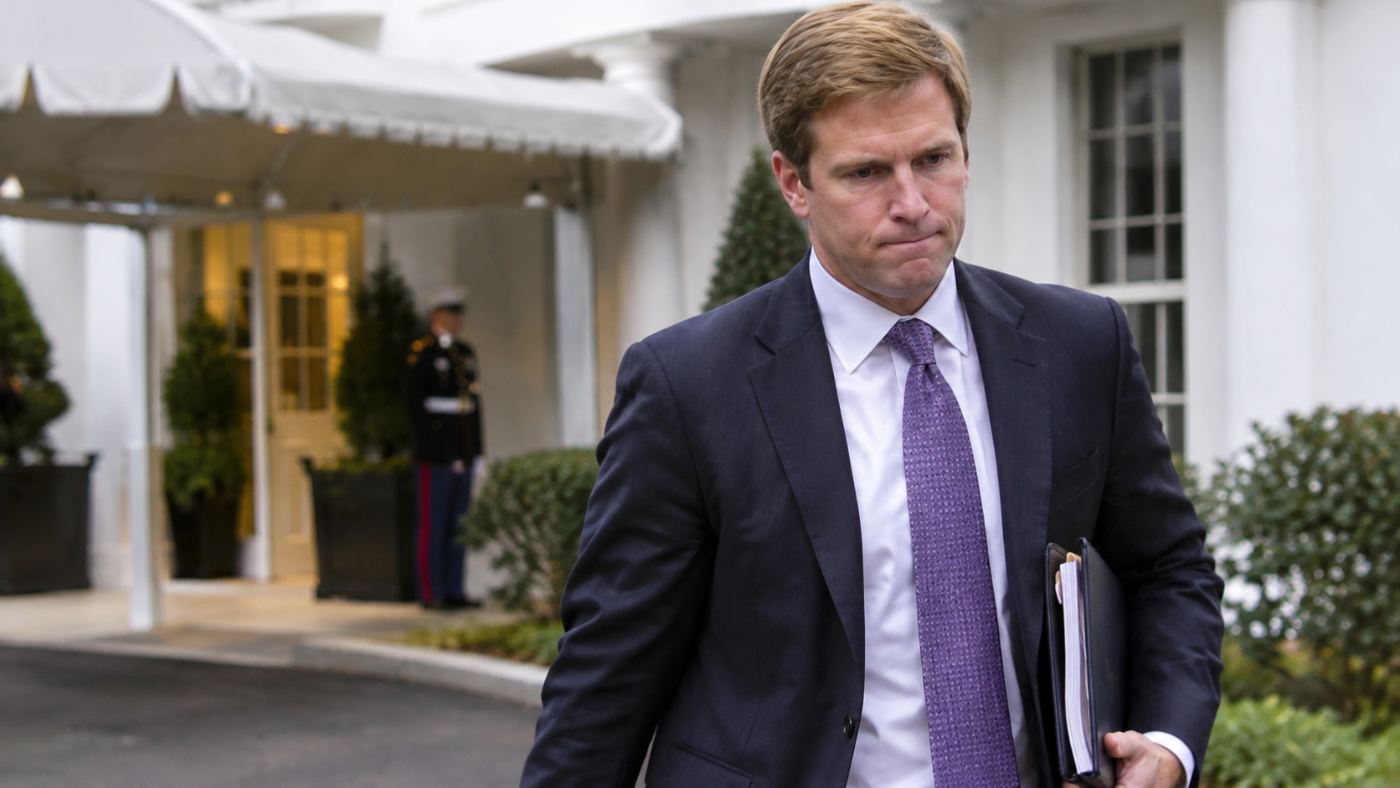
President Donald Trump's plans to reorganize his troubled White House suffered an unexpected setback on December 9, 2018, when Nick Ayers, his preferred candidate to replace outgoing Chief of Staff John Kelly, declined the position.
Just one day earlier, Trump had announced that Kelly would leave the administration by year's end. Now, the president faced the prospect of losing his chief of staff without having secured a successor.
The development exposed another complication in an administration already experiencing repeated senior-level departures and internal disagreements.
Trump's Preferred Candidate Says No
Ayers, the 36-year-old chief of staff to Vice President Mike Pence, had been widely viewed as Trump's leading choice to replace Kelly.
According to contemporary reporting, Trump and Ayers had discussed the position for months.
But negotiations collapsed over how long Ayers would remain in the job.
Trump wanted a chief of staff willing to serve through the 2020 presidential election. Ayers, who had young triplets and planned to return to Georgia, was reportedly willing to serve only temporarily.
On December 9, Ayers announced that he would leave the White House at the end of the year rather than accept the promotion.
He indicated that he would continue supporting Trump's political efforts outside the administration.
Another Disrupted White House Transition
The decision complicated Trump's efforts to replace Kelly, a retired four-star Marine general who had spent 17 months attempting to impose greater discipline on the West Wing.
Kelly had been appointed in July 2017 after Trump's first chief of staff, Reince Priebus, departed just six months into the presidency.
Kelly established more formal procedures, attempted to control access to the Oval Office, and sought to reduce competing influences within the administration.
But his relationship with Trump deteriorated amid disagreements over management and personnel.
Now, with Kelly preparing to leave, the president's preferred successor had declined to take over.
Trump Disputes the Reporting
Following Ayers' announcement, Trump publicly challenged reports that the position had effectively been offered to him.
The president accused the media of misrepresenting the selection process and said he was interviewing several qualified candidates.
Nevertheless, multiple news organizations reported that Ayers had been Trump's leading choice and that negotiations had failed over the proposed length of service.
The Washington Post subsequently reported that Trump had not established a clear alternative before the talks collapsed.
A Difficult Moment for the Administration
The leadership uncertainty came as Democrats prepared to take control of the House of Representatives in January 2019.
Trump also faced continuing scrutiny from Special Counsel Robert Mueller's investigation into Russian election interference.
The next chief of staff would be responsible for coordinating White House operations, managing relationships with Congress, and helping the administration navigate those challenges.
Potential replacements included Office of Management and Budget Director Mick Mulvaney and Republican Congressman Mark Meadows.
Mulvaney was ultimately selected as acting chief of staff on December 14.
Questions About White House Stability
Ayers' decision did not establish that prospective candidates generally refused to work for Trump. His family circumstances and disagreement over the commitment required were documented factors.
However, the failed negotiations highlighted the difficulty of arranging an orderly leadership transition.
The president had publicly announced one senior official's departure before finalizing the replacement.
December 9, 2018, became another significant day in the Trump administration's leadership upheaval. With John Kelly preparing to depart, Trump's preferred successor declined the job, leaving the White House searching for someone to manage an administration facing substantial political and investigative challenges.