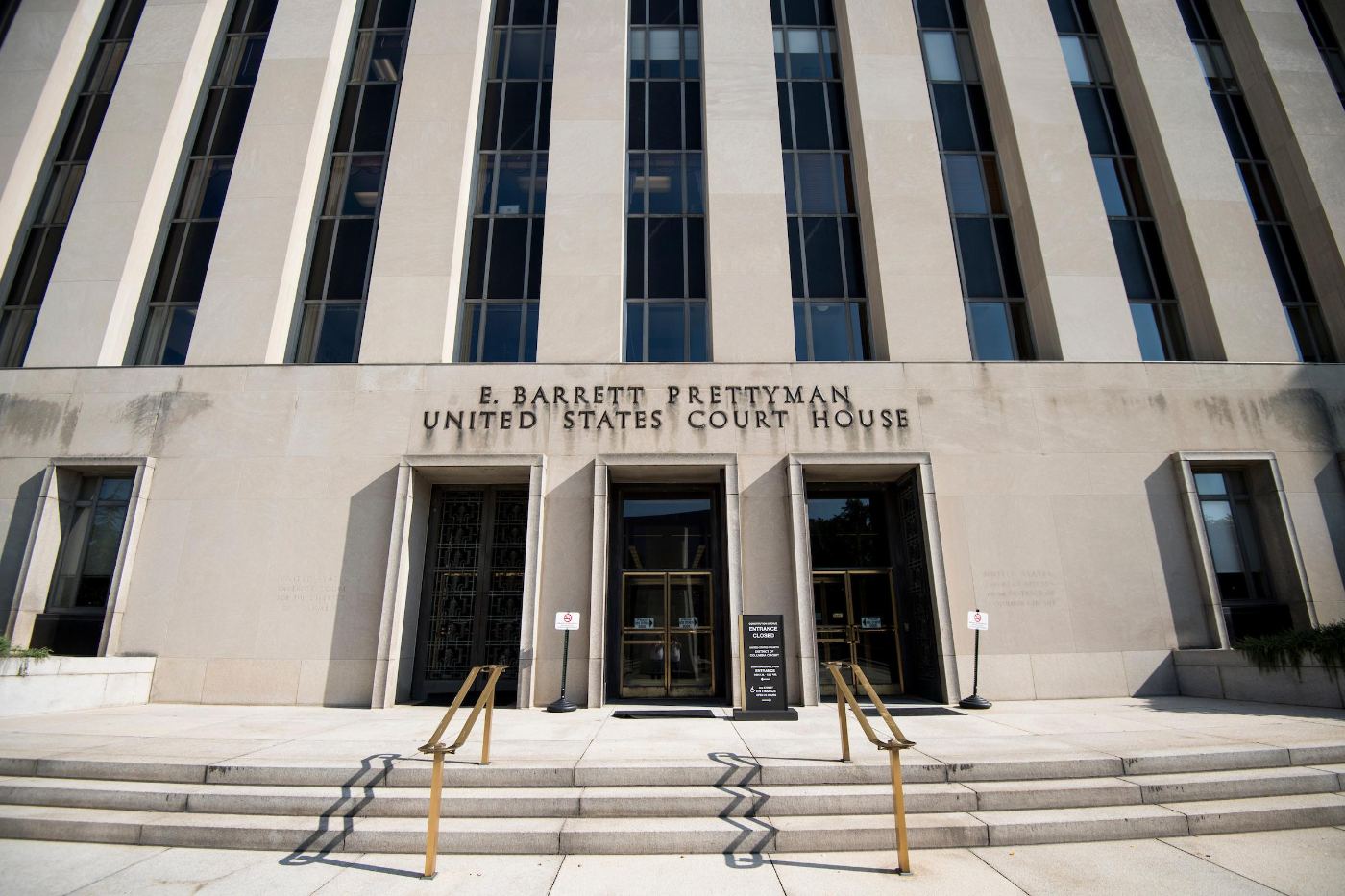
On December 1, 2017, President Donald Trump's former national security adviser, Michael Flynn, pleaded guilty in federal court to lying to the FBI about his communications with Russia's ambassador to the United States.
The admission marked a major turning point in Special Counsel Robert Mueller's investigation into Russian interference in the 2016 presidential election.
Flynn, a retired Army lieutenant general who had served as one of Trump's closest national security advisers, also agreed to cooperate with federal investigators.
His guilty plea brought the investigation directly into Trump's former White House leadership.
Secret Conversations With Russia
The charges centered on Flynn's December 2016 conversations with Russian Ambassador Sergey Kislyak, conducted while Trump was preparing to assume the presidency.
On December 29, President Barack Obama announced sanctions against Russia in response to its interference in the American election.
Flynn contacted Kislyak and urged Russia not to escalate tensions in response to the sanctions.
He also discussed a United Nations Security Council resolution concerning Israeli settlements with the Russian ambassador.
When FBI agents questioned Flynn on January 24, 2017, he falsely denied important details of those conversations.
Court documents established that Flynn knowingly provided false information to federal investigators.
The White House Had Been Warned
Flynn's contacts with Russia had already created serious concerns inside the Justice Department.
Acting Attorney General Sally Yates warned White House counsel Don McGahn in January 2017 that Flynn had misled senior administration officials about his conversations.
Officials feared that Russia could exploit the discrepancy between Flynn's private conversations and his public explanations.
Flynn resigned on February 13, 2017, after serving just 24 days as national security adviser.
Trump initially defended Flynn, describing him as a good man who had been treated unfairly.
Flynn Agrees to Cooperate With Mueller
Flynn's December 1 guilty plea was particularly significant because he agreed to assist Mueller's investigation.
Court documents revealed that senior Trump transition officials had been involved in discussions surrounding Flynn's communications with Russia.
His cooperation provided investigators with information about conversations and decisions made during the presidential transition.
Flynn publicly acknowledged that his actions were wrong and accepted responsibility for his false statements.
The guilty plea did not establish that Trump personally directed criminal conduct, but it represented a serious development in the investigation surrounding his administration.
Trump Eventually Pardons Flynn
The case took another dramatic turn in 2020.
After Flynn attempted to withdraw his guilty plea, the Justice Department moved to dismiss the criminal charge against him.
Before the court resolved that request, Trump issued Flynn a presidential pardon on November 25, 2020.
The pardon ended Flynn's criminal exposure arising from the Mueller investigation, and the court subsequently dismissed the case.
Flynn was never sentenced for the offense to which he had pleaded guilty.
A Defining Moment in the Russia Investigation
Flynn's guilty plea became one of the most consequential developments in the investigation into Russian interference in the 2016 election.
A former national security adviser had admitted lying to federal investigators about contacts with a foreign government and agreed to cooperate with prosecutors examining the president's associates.
Although Trump later pardoned Flynn, the December 1, 2017, guilty plea remains part of the documented historical record.
It demonstrated how quickly questions surrounding the Trump campaign's Russian contacts had reached the highest levels of the new administration.
And it established that one of Trump's earliest and most trusted national security officials had knowingly provided false information during a federal investigation.