A confrontation between President Donald Trump and senior Navy leadership continued to generate controversy on November 26, 2019, after the president intervened in the disciplinary proceedings of Navy SEAL Edward Gallagher, triggering a leadership crisis that ended with the removal of Secretary of the Navy Richard Spencer.
The dispute raised fundamental questions about military discipline, presidential authority, and whether political intervention could undermine the military justice system.
Gallagher, a decorated Navy SEAL chief petty officer, had faced serious allegations involving his conduct during a 2017 deployment to Iraq. Fellow service members accused him of killing a wounded Islamic State prisoner and other battlefield misconduct.
Following a court-martial in July 2019, Gallagher was acquitted of the most serious charges, including murder and attempted murder. However, he was convicted of posing for a photograph with the corpse of an Islamic State fighter.
The military jury reduced Gallagher's rank by one pay grade and sentenced him to four months of confinement, which he had already served before trial.
Trump subsequently intervened, restoring Gallagher's rank on November 15.
The president's involvement did not end there.
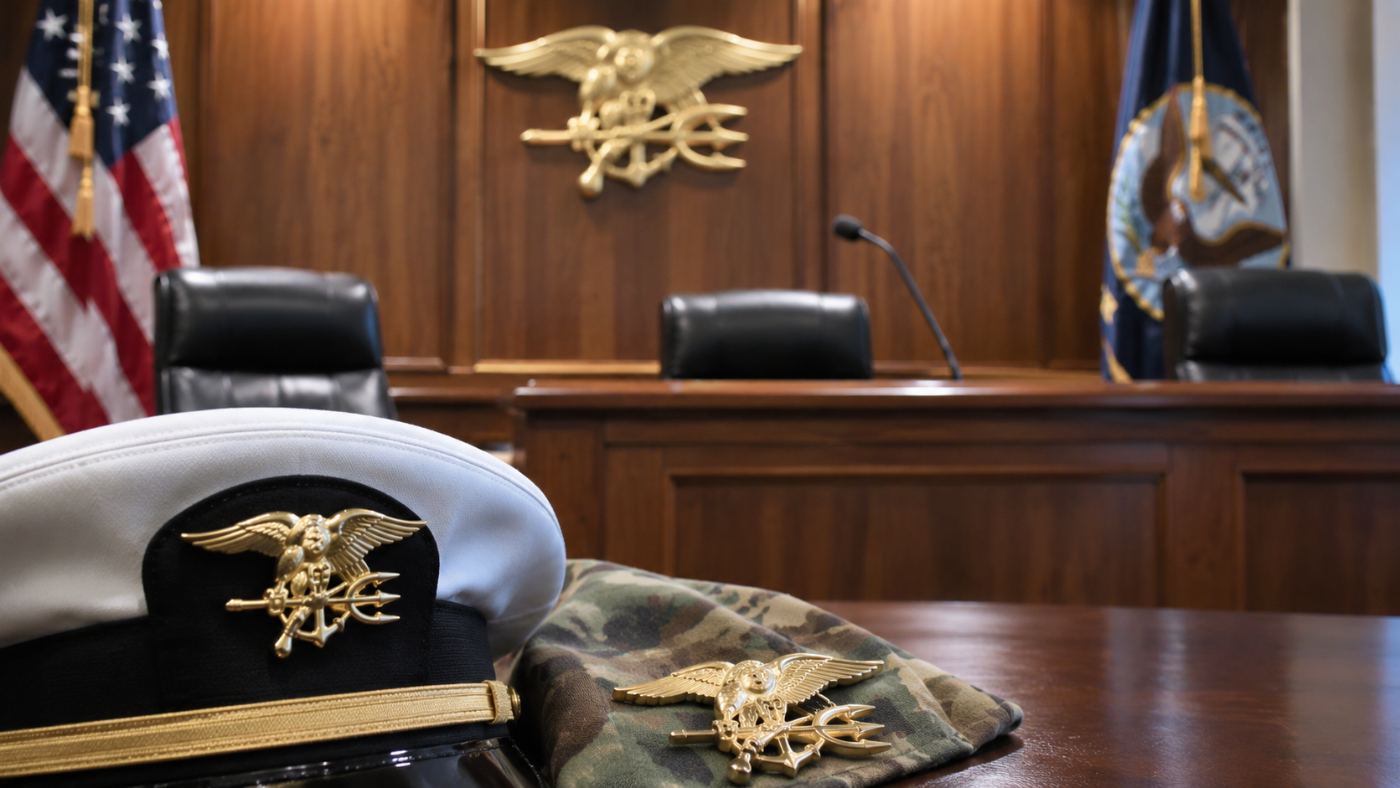
Navy leaders had initiated an administrative review to determine whether Gallagher should retain his Trident insignia, the qualification badge identifying him as a Navy SEAL.
Such reviews are part of the military's internal process for determining whether personnel continue to meet the standards required for service in elite units.
Trump publicly opposed the review, announcing on November 21 that Gallagher would not lose his Trident.
Defense Secretary Mark Esper later confirmed that Trump had personally ordered him to stop the review process.
The confrontation intensified on November 24 when Esper removed Navy Secretary Richard Spencer from his position.
Esper accused Spencer of bypassing the military chain of command by privately approaching White House officials with a proposed arrangement that would allow Gallagher to retire as a SEAL while permitting the review process to proceed.
Spencer disputed aspects of the Pentagon's account and maintained that he had been attempting to protect the integrity of military procedures.
In his departure letter, Spencer emphasized the importance of good order, discipline, and adherence to the Uniform Code of Military Justice.
The controversy continued into November 26 as military officials, veterans, and legal experts debated the consequences of Trump's intervention.
Critics argued that the president's actions risked weakening the authority of military commanders and undermining established disciplinary procedures.
Military commanders depend on the ability to enforce standards consistently, particularly in combat units where discipline and adherence to the laws of armed conflict are essential.
Several former military officials warned that presidential intervention in individual disciplinary matters could discourage service members from reporting misconduct or cooperating with investigations.
The concern extended beyond Gallagher's case.
If personnel believed that political influence could override military disciplinary decisions, critics argued, the credibility of the military justice system could suffer.
Supporters of Trump's intervention offered a different interpretation.
They argued that Gallagher had been acquitted of the most serious accusations and that the president, as commander in chief, possessed the authority to intervene in military personnel decisions.
Some also questioned the Navy's handling of Gallagher's prosecution and argued that continued administrative proceedings were unnecessary.
Nevertheless, the dispute exposed significant tensions between the White House and senior military leadership.
Gallagher ultimately retained his rank and Trident insignia and retired from the Navy.
Spencer's removal highlighted the institutional consequences of the confrontation. A civilian service secretary had lost his position amid disagreements over how the military should handle a high-profile disciplinary case.
The controversy also demonstrated the considerable authority presidents possess over military matters, including clemency and command decisions.
That authority, however, carries responsibilities extending beyond individual cases. Military leaders must maintain confidence that disciplinary standards apply consistently and that the chain of command can function without unpredictable political interference.
The events surrounding November 26, 2019, became part of a broader debate about Trump's relationship with the armed forces and his willingness to intervene in established military processes.
Although Gallagher's court-martial had concluded months earlier, the president's subsequent actions transformed the case into a national controversy over military accountability.
The lasting question was not simply whether Gallagher should retain his SEAL status. It was whether a president's intervention in an individual disciplinary matter could weaken the institutions responsible for maintaining military standards.
For military leaders charged with enforcing discipline, the controversy demonstrated how quickly a single personnel case could become a confrontation over presidential power and the independence of military justice.