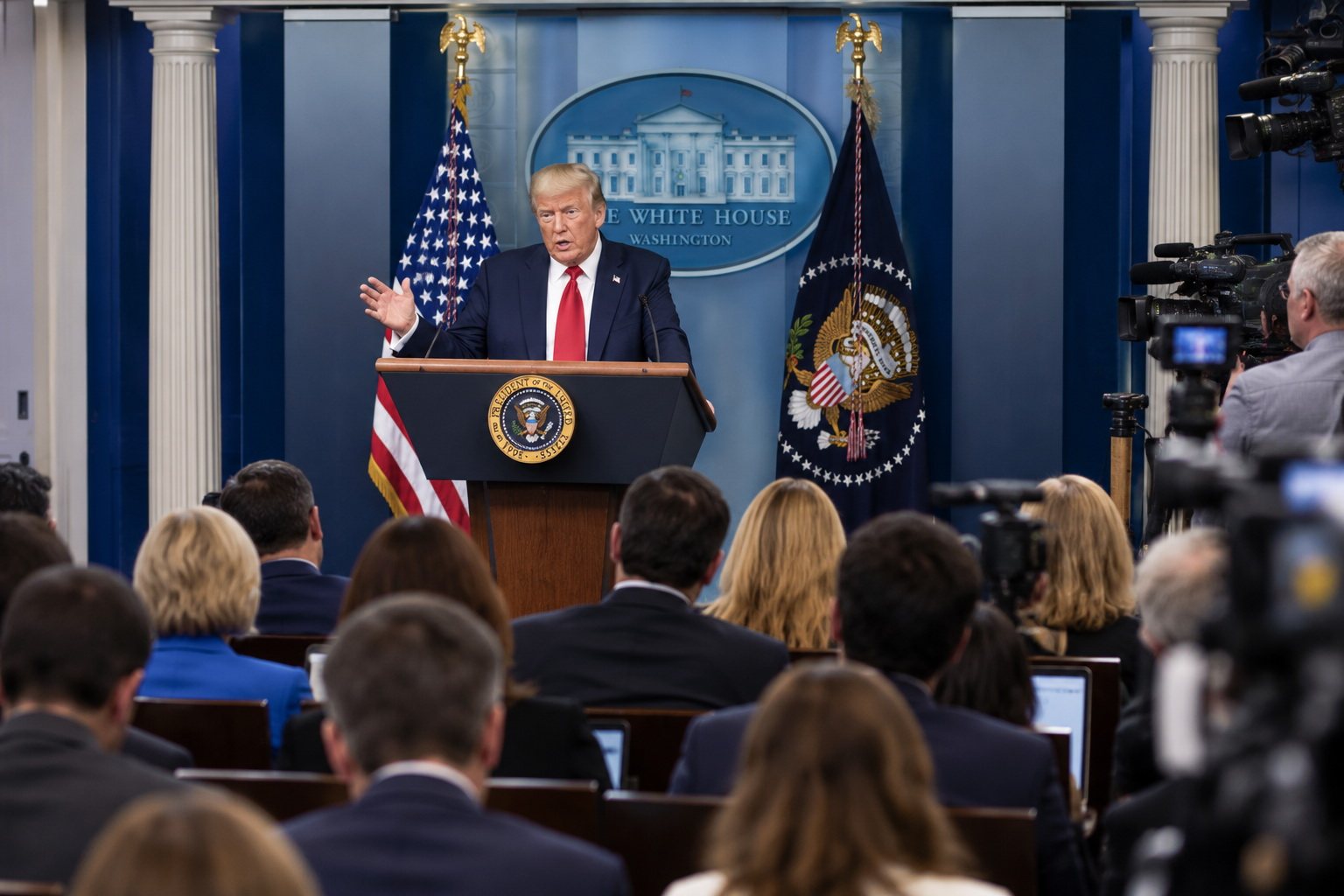
From election fraud allegations to claims about ending wars, the president's statements continue to collide with documented facts.*
WASHINGTON — President Donald Trump's long history of false and misleading statements is receiving renewed scrutiny as his second administration continues to make sweeping claims about its accomplishments.
An October 2025 commentary published by LGBTQ Nation highlighted Trump's repeated assertions about his expertise, achievements, and political opponents, questioning how Americans can distinguish presidential rhetoric from verifiable facts.
The problem extends well beyond political exaggeration.
During Trump's first administration, The Washington Post documented 30,573 false or misleading claims — an average of approximately 21 per day.
Among the recurring examples is Trump's insistence that the 2020 presidential election was stolen. Courts, election officials, and investigations failed to substantiate allegations of widespread fraud capable of changing the outcome. Yet Trump has continued questioning the legitimacy of American elections.
His foreign policy claims have also attracted scrutiny. Trump has repeatedly taken credit for ending multiple international conflicts, although fact-checkers have disputed whether several of those disputes constituted wars or were actually resolved.
Trump has also made extraordinary claims about his personal expertise, declaring that he understands subjects ranging from taxes and trade to military strategy better than virtually anyone else.
Such statements are often matters of opinion or political boasting. Others, however, involve factual assertions that can be checked against government records, economic data, and independent investigations.
The distinction matters because presidential statements can influence public policy, international relationships, and Americans' confidence in democratic institutions.
The White House regularly defends Trump's record and disputes criticism from news organizations and political opponents. Supporters frequently characterize his language as exaggeration or unconventional political messaging.
But independent fact-checking organizations have continued identifying unsupported claims involving elections, immigration, tariffs, and government spending.
The central issue is not whether politicians occasionally exaggerate. It is whether repeated factual inaccuracies, particularly when delivered by the president of the United States, make it harder for the public to evaluate government decisions.
As Trump continues his second term, the documented record provides Americans with an important tool: comparing what the president says with what the evidence actually shows.