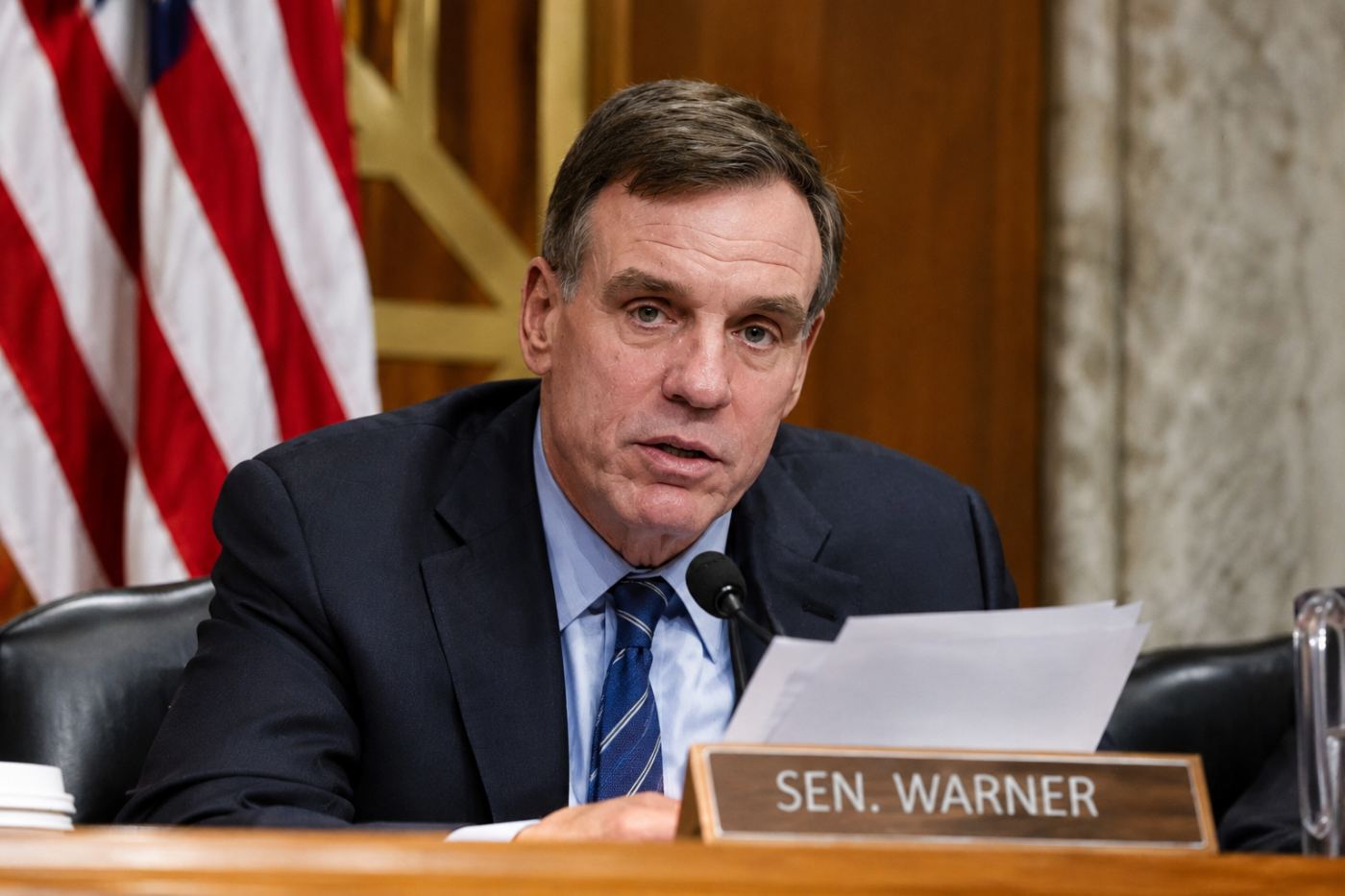
Donald Trump's refusal to accept his election defeat was no longer simply a political controversy. Senior lawmakers were warning that the delayed presidential transition could jeopardize America's national security.
On November 23, 2020, Democratic Senator Mark Warner of Virginia, vice chairman of the Senate Intelligence Committee, sent an urgent letter to General Services Administration Administrator Emily Murphy demanding that the federal government recognize Joe Biden as the apparent winner of the presidential election.
Warner warned that withholding critical intelligence briefings, delaying access to national security officials, and obstructing preparations for the incoming administration could leave the United States vulnerable to threats.
The warning came more than two weeks after major news organizations projected Biden's victory.
Trump Refuses to Accept the Election Results
Following the November 3 election, Trump repeatedly alleged that widespread fraud had cost him the presidency.
His campaign pursued lawsuits in several battleground states, while Trump and his allies continued challenging election results.
But the allegations had not produced evidence establishing fraud sufficient to reverse Biden's victory.
Despite the outcome, the Trump administration had not authorized the formal transition process.
Murphy, a Trump appointee, had declined to issue the administrative determination necessary to release federal transition resources.
That decision prevented Biden's team from receiving the full range of government support ordinarily provided to an incoming president.
A Warning From the Senate Intelligence Committee
Warner's November 23 letter focused specifically on the dangers of delaying national security preparations.
As vice chairman of the Senate Intelligence Committee, Warner had access to classified information concerning threats facing the United States.
He warned that Biden and his advisers should already have been receiving intelligence briefings to prepare them for taking office on January 20.
The concern extended beyond the president-elect personally.
An incoming administration must understand ongoing intelligence operations, international security developments, terrorism threats, and potential foreign interference.
Without adequate preparation, officials could face critical decisions immediately after inauguration without the institutional knowledge normally transferred between administrations.
Warner argued that further delays could compromise the incoming government's ability to respond effectively.
The Lessons of September 11
One of the most significant elements of Warner's letter was his reference to the September 11 Commission.
The bipartisan commission investigated the terrorist attacks of September 11, 2001, and examined weaknesses in America's national security institutions.
Its report discussed the unusually compressed presidential transition following the disputed 2000 election.
That transition left the incoming George W. Bush administration with less preparation time than usual.
Warner cited the commission's findings as a warning about the importance of continuity between administrations.
The comparison did not mean that another terrorist attack was imminent or that the 2020 delay would necessarily produce a catastrophe.
It underscored a recognized national security concern: interruptions in presidential transitions can reduce the time available for officials to prepare for emerging threats.
Intelligence Agencies Were Especially Important
Warner emphasized that Biden's transition team needed direct access to career professionals throughout the federal government.
The intelligence community presented particular challenges because much of its work cannot be understood through publicly available information.
Incoming officials need classified briefings and direct discussions with experienced personnel to understand ongoing threats and sensitive operations.
Warner warned that the delayed transition was restricting that preparation.
He also identified another potential consequence: delays in background investigations for incoming national security officials.
Senior administration nominees frequently require extensive security vetting before assuming sensitive positions.
Warner specifically mentioned leadership positions at the Central Intelligence Agency and the Office of the Director of National Intelligence.
Postponing those investigations could complicate the confirmation and appointment process.
Congress Was Growing Increasingly Alarmed
Warner was not alone in raising concerns.
Other congressional Democrats had warned that the delayed transition could affect the federal government's response to the COVID-19 pandemic, economic instability, and national security threats.
On November 19, Warner joined other senators in demanding that Murphy release transition resources.
That earlier letter highlighted threats from foreign cyberattacks, domestic extremism, and natural disasters.
On November 23, Warner issued his own warning emphasizing classified intelligence access and the preparation of senior national security personnel.
Representative Bennie Thompson, chairman of the House Homeland Security Committee, also warned that the delayed transition was preventing Biden's team from obtaining critical information about threats facing the country.
The concerns reflected a broader congressional dispute over the consequences of the administration's refusal to begin the formal transition.
Murphy Defends Her Decision
Murphy maintained that she was acting according to her understanding of the Presidential Transition Act.
She argued that the disputed election and ongoing legal challenges complicated the determination of an apparent winner.
Her position was that the administrative decision should not be treated as a substitute for the formal election process.
Critics countered that the law did not require every legal challenge to be resolved before transition assistance could begin.
They argued that delaying access to government resources was unnecessary given Biden's established electoral lead.
The disagreement placed a normally administrative decision at the center of a national political controversy.
The Transition Finally Begins
Later on November 23, Murphy formally authorized the transition process.
Her letter to Biden stated that recent developments involving election certifications and legal challenges had informed her decision.
Murphy maintained that she had acted independently and had not been pressured by White House officials.
Trump publicly supported allowing the initial transition procedures to proceed, while continuing to challenge the election results.
The authorization finally opened the door for Biden's team to begin receiving federal transition resources and coordinating with government agencies.
However, the decision did not erase the preparation time that had already been lost.
When Political Conflict Threatened Government Continuity
The significance of Warner's November 23 warning extended beyond the immediate dispute between Trump and Biden.
Presidential transitions are essential to maintaining continuity in the American government.
National security responsibilities do not stop while administrations change.
Intelligence threats, military operations, cybersecurity incidents, and international crises continue regardless of election results.
Warner's letter argued that the delayed transition created avoidable risks by preventing the incoming administration from preparing as thoroughly as possible.
Although the formal transition began later that day, the episode demonstrated how a disputed transfer of power could interfere with established national security preparations.
On November 23, 2020, the vice chairman of the Senate Intelligence Committee placed those concerns in writing.
His warning was clear: Political disagreement over an election should not prevent the incoming president from receiving the information necessary to protect the country.