President Donald Trump is escalating his efforts to end birthright citizenship, insisting he has the authority to deny automatic American citizenship to children born in the United States to undocumented immigrants, despite serious constitutional objections.
Just days before the November 6 midterm elections, Trump has suggested he could accomplish the change through an executive order, without congressional approval or a constitutional amendment.
The proposal directly challenges the Fourteenth Amendment, ratified in 1868, which guarantees citizenship to nearly everyone born on American soil.
Trump argues that the amendment's language does not extend citizenship to children of undocumented immigrants.
"So-called Birthright Citizenship, which costs our Country billions of dollars and is very unfair to our citizens, will be ended one way or the other," Trump declared earlier this week.
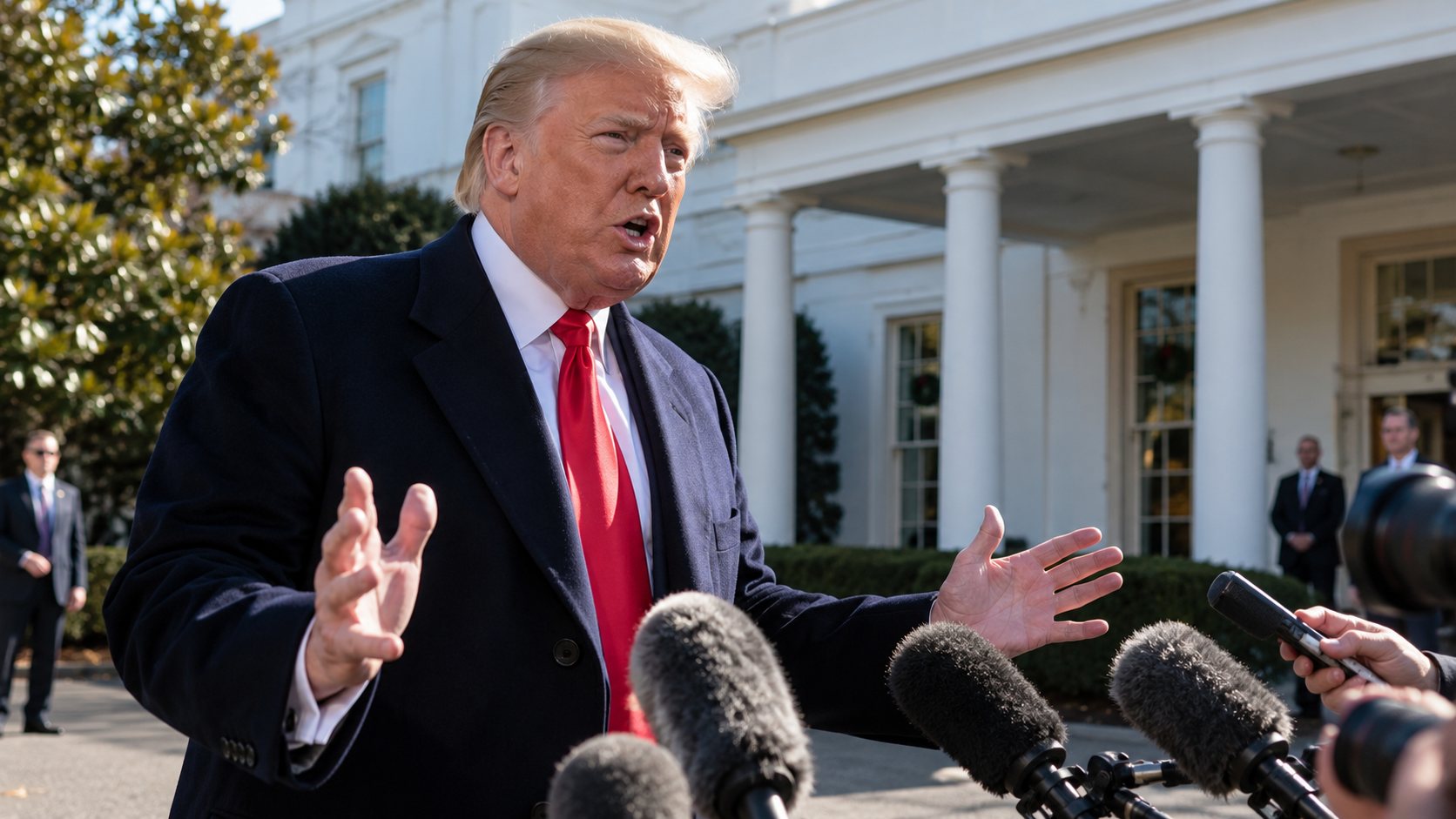
Speaking to reporters Wednesday, Trump insisted that a constitutional amendment would not be necessary and suggested that either Congress or an executive order could accomplish his goal.
However, constitutional scholars overwhelmingly dispute the president's interpretation.
The Fourteenth Amendment explicitly establishes citizenship for people born in the United States and subject to its jurisdiction. The Supreme Court's 1898 decision in United States v. Wong Kim Ark reinforced the principle that children born in America to foreign parents generally receive citizenship at birth.
Legal experts warn that a president cannot simply override a constitutional guarantee through an executive order. Any attempt to do so would almost certainly face immediate legal challenges.
Trump's latest statements follow his November 1 White House immigration address, during which he described migration at the southern border as a national crisis and announced plans for additional restrictions on asylum seekers.
The administration's renewed focus on immigration comes as Republicans campaign to maintain control of Congress in Tuesday's elections.
Critics accuse Trump of using immigration fears to energize Republican voters, while the president maintains that tougher restrictions are necessary to protect American sovereignty.
No executive order ending birthright citizenship has been issued, but Trump's proposal has already sparked a major constitutional debate over the limits of presidential power and the meaning of citizenship in the United States.