Donald Trump returned to the White House promising lower prices, affordable housing, fewer wars, and economic prosperity. Nearly two years after his reelection, several of his most prominent campaign pledges remain unfulfilled, while Americans continue confronting the very problems he promised to solve.
A new BuzzFeed examination highlights 11 major promises that have collided with the realities of Trump's second presidency.
The contrast between campaign rhetoric and actual results is particularly striking on household expenses, foreign policy, and immigration.
Lower Prices? Americans Are Still Waiting
Trump repeatedly promised to reduce the cost of living, telling voters his policies would make groceries, gasoline, housing, and electricity more affordable.
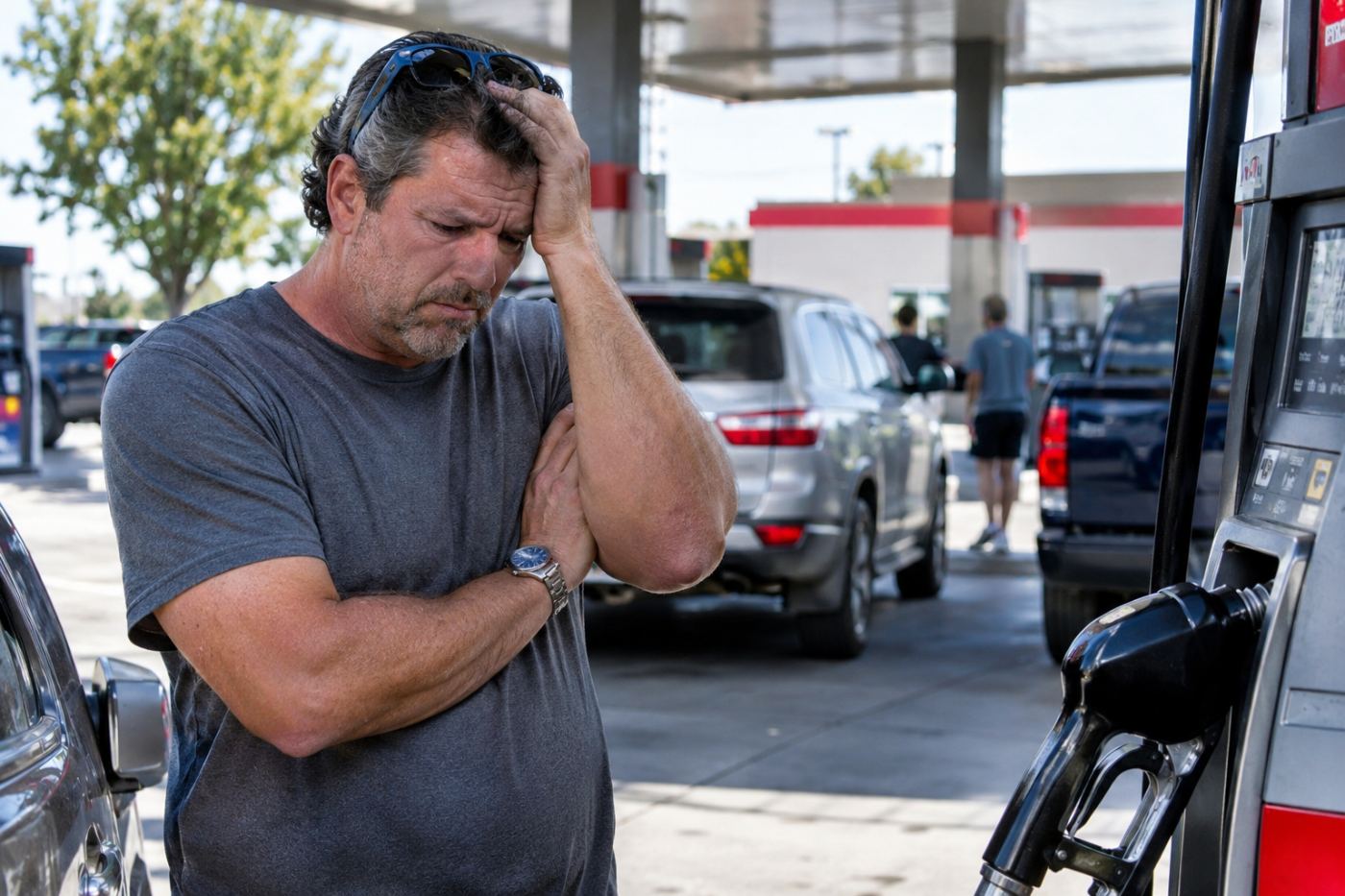
During his 2024 campaign, he pledged to bring gasoline below $2 per gallon.
Instead, the national average reached approximately $4.37 in October 2026, according to CBS News, compared with $2.98 immediately before the February military strikes against Iran.
Trump also promised to cut energy and electricity prices by at least 50% within 12 to 18 months.
Yet average monthly residential electricity costs increased approximately 12.5% between December 2024 and July 2026.
For families already struggling with household expenses, those numbers represent a substantial departure from the promised relief.
The American Dream Gets More Expensive
Homeownership was another centerpiece of Trump's economic message.
He promised dramatically lower mortgage rates, suggesting Americans could eventually borrow at approximately 2%.
Instead, CBS News reported average 30-year mortgage rates around 7.28% in October 2026, compared with 7.04% when Trump took office.
Home listing prices also increased, placing additional pressure on prospective buyers.
Presidents do not directly control mortgage rates, which respond to financial markets and Federal Reserve policy. Nevertheless, Trump's specific promises created expectations his administration has not met.
The President Who Promised to Stop Wars
During his November 2024 victory speech, Trump declared that he intended to stop wars rather than start them.
On February 28, 2026, the United States and Israel launched military attacks against Iran, opening another major conflict.
Trump defended the operation as necessary to prevent Iran from acquiring nuclear weapons.
The decision nevertheless stood in sharp contrast to the antiwar message that helped attract some of his supporters.
Trump also repeatedly claimed he could end Russia's war against Ukraine within 24 hours.
The fighting continued well beyond that deadline.
Immigration Promises Meet Reality
Trump's immigration campaign emphasized removing dangerous criminals.
However, an internal Department of Homeland Security document obtained by CBS News showed that nearly 40% of people arrested by ICE between January 2025 and January 2026 had no criminal record.
Fewer than 14% had charges or convictions involving six categories of violent offenses.
The administration argues that immigration enforcement also targets serious nonviolent offenses and violations of immigration law.
Still, the figures complicate its repeated emphasis on pursuing the most dangerous offenders.
Promises Versus Results
Trump's defenders can point to policy initiatives they believe advance his campaign agenda. But ambitious promises must ultimately be measured against observable results.
Americans were promised cheaper energy, affordable homes, an end to foreign conflicts, and greater economic security.
The record so far reveals significant gaps between those commitments and their outcomes.
For households paying higher bills and struggling to purchase homes, campaign slogans offer little relief.
The question is no longer what Trump promised.
It is what Americans actually received.