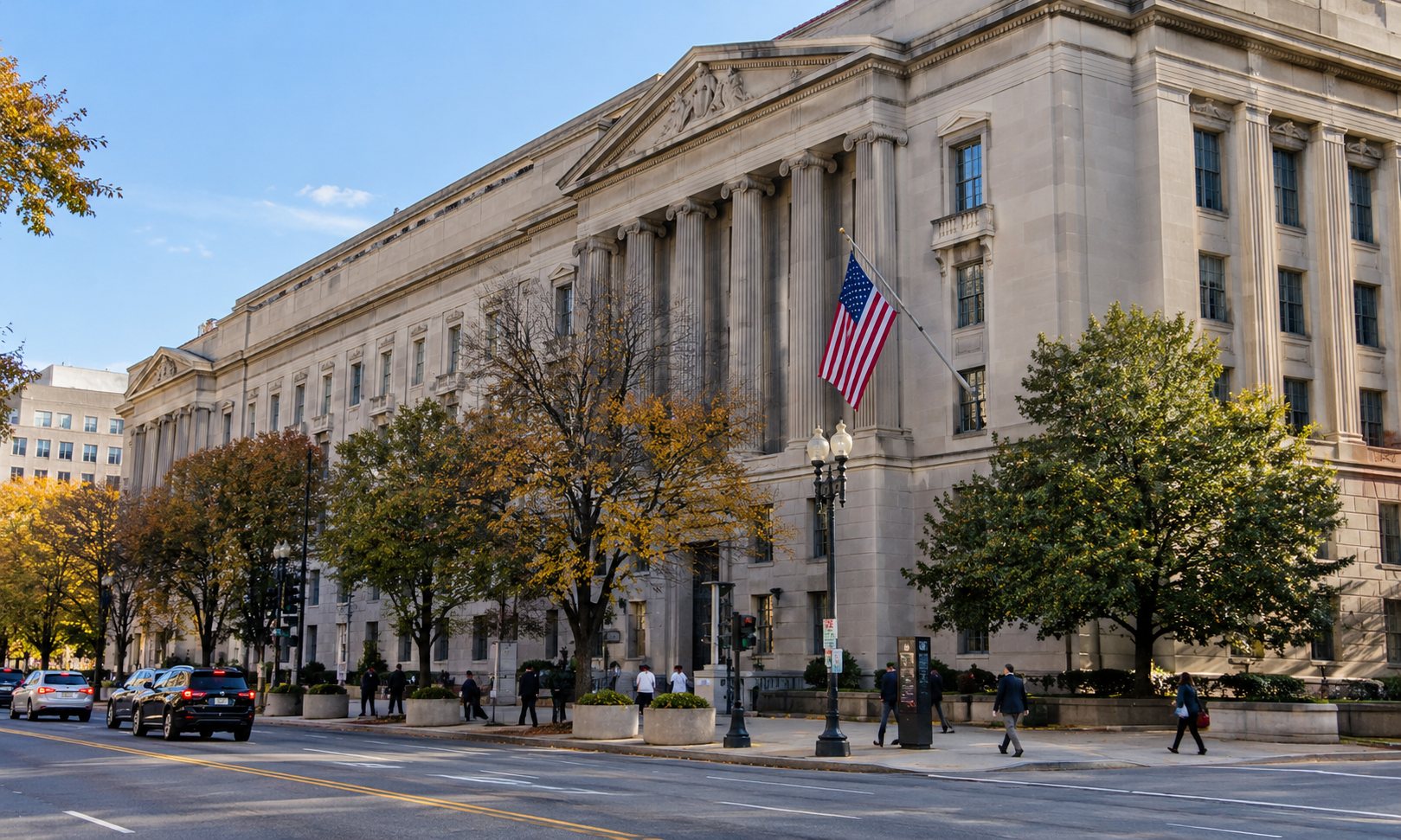
President Donald Trump is publicly pressuring his own Justice Department and the FBI to investigate Hillary Clinton and the Democratic Party, just days after federal prosecutors announced the first criminal charges in the investigation into Russian interference in the 2016 presidential election.
In a series of Friday morning tweets, Trump accused his former political opponent of corruption and demanded that federal law enforcement examine allegations involving Clinton's presidential campaign, the Democratic National Committee, and her private email server.
The president questioned why federal investigators were focusing on his associates rather than Democrats, declaring that the Justice Department and FBI must take action.
The demands represent an unusual intervention by a sitting president into matters traditionally handled independently by federal law enforcement.
Trump Demands Investigations
Trump's latest attacks followed revelations from former Democratic National Committee interim chair Donna Brazile, whose forthcoming book describes a fundraising agreement that gave Clinton's campaign significant influence over DNC finances and operations before she secured the Democratic nomination.
Trump seized on the disclosure, accusing Clinton of manipulating the Democratic primary against Senator Bernie Sanders.
He also demanded renewed scrutiny of Clinton's deleted emails, the Clinton Foundation, and a controversial uranium transaction involving a Russian company.
However, the existence of a controversial political fundraising agreement does not itself establish criminal wrongdoing. Brazile has also disputed Trump's characterization of her account.
Speaking to reporters outside the White House before departing for an Asian trip, Trump acknowledged that presidents are traditionally expected to avoid directing federal criminal investigations.
"I'm really not involved with the Justice Department. I'd like to let it run itself," Trump said, before adding that investigators should be examining Democrats.
He also expressed disappointment with the department's leadership, including Attorney General Jeff Sessions.
Russia Investigation Reaches Trump's Campaign
The president's demands come during a consequential week for special counsel Robert Mueller's investigation into Russian election interference and possible connections to Trump's presidential campaign.
On Monday, former Trump campaign chairman Paul Manafort and his longtime associate Rick Gates were indicted on 12 federal counts, including conspiracy against the United States and money laundering-related charges. Both have pleaded not guilty.
Federal prosecutors also revealed that former Trump campaign foreign policy adviser George Papadopoulos pleaded guilty to lying to the FBI about contacts involving individuals connected to Russia.
Trump has repeatedly denied that his campaign colluded with Russia, dismissing the investigation as politically motivated.
The charges against Manafort and Gates largely concern business activities predating the presidential campaign, while Papadopoulos's guilty plea concerns false statements about his Russian contacts.
Nevertheless, the developments have intensified scrutiny of the president's campaign and raised additional questions about the investigation's direction.
Concerns About Political Interference
Trump's public demands have renewed concerns about the independence of the Justice Department.
Although the attorney general serves within the executive branch, longstanding norms are intended to prevent presidents from using federal prosecutors to pursue political opponents.
The president's comments are particularly notable because Clinton was his opponent in last year's election and is not currently running for office.
Trump's supporters argue that allegations involving Clinton and the Democratic Party deserve scrutiny. Critics counter that criminal investigations must be based on evidence rather than presidential demands.
The dispute also comes amid Trump's continuing frustration with Sessions, who recused himself from the Russia investigation earlier this year.
As Mueller's investigation proceeds, the president is making clear that he wants federal law enforcement to devote greater attention to his former opponent.
Whether the Justice Department will respond to those demands remains uncertain, but the confrontation raises questions about the boundaries between presidential authority and independent criminal investigations.