President Donald Trump welcomed Turkish President Recep Tayyip Erdogan to the White House on November 13, 2019, offering enthusiastic praise just weeks after Turkey launched a military offensive against Kurdish forces that had fought alongside American troops against ISIS.
The friendly reception came despite bipartisan outrage in Congress, allegations of abuses against Kurdish civilians, and growing concerns that Trump's decision to withdraw American forces from northern Syria had exposed longtime U.S. partners to attack.
America's Kurdish Allies Under Attack
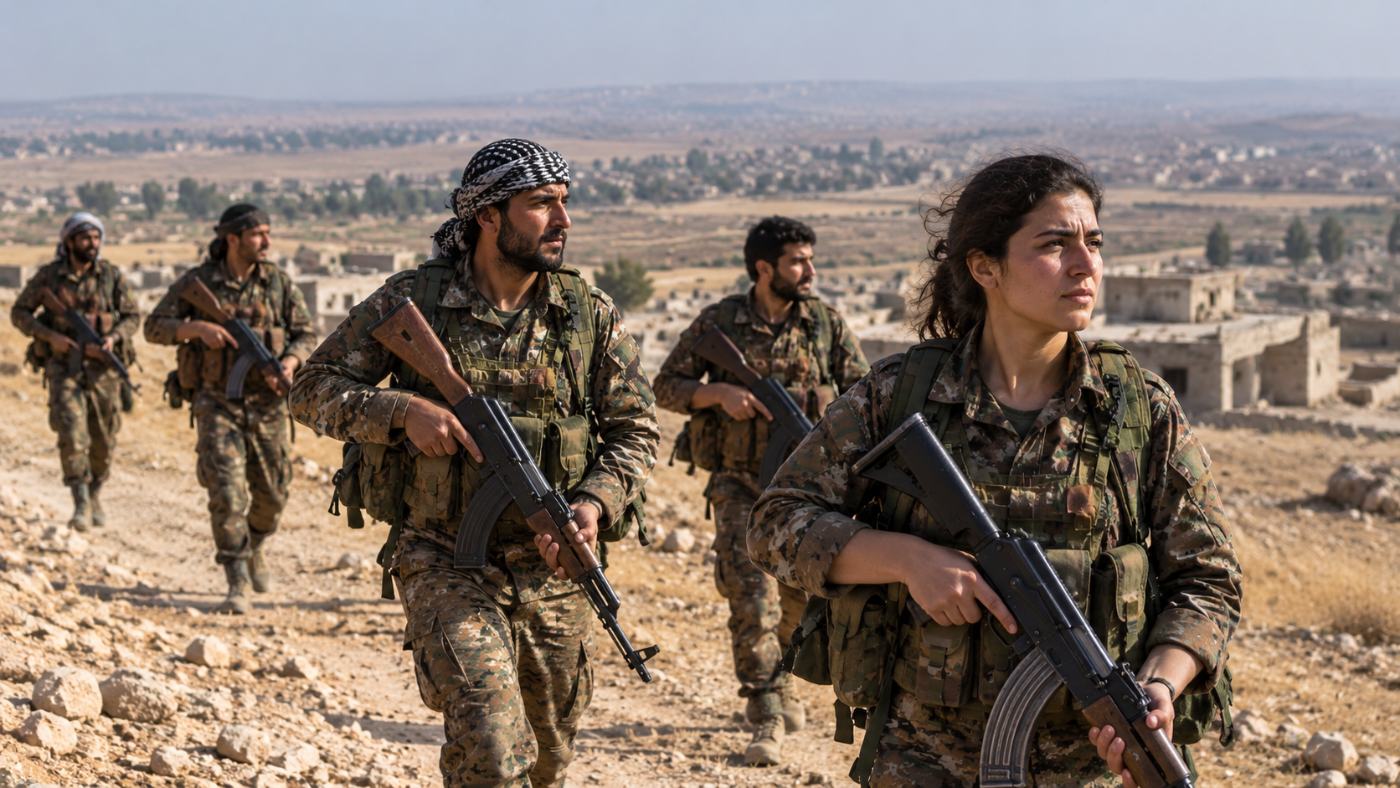
For years, Kurdish-led Syrian Democratic Forces had served as Washington's principal ground partner in the campaign against ISIS.
With American military assistance, Kurdish fighters helped dismantle the terrorist organization's territorial stronghold in Syria.
But in October 2019, following a telephone conversation with Erdogan, Trump announced that American troops would move away from positions near the Turkish border.
Turkey launched its offensive shortly afterward, targeting Kurdish forces Ankara considered affiliated with the Kurdistan Workers' Party, or PKK, which the United States designates as a terrorist organization.
The fighting displaced civilians, destabilized northeastern Syria, and prompted allegations of serious abuses by Turkish-backed fighters.
Critics accused Trump of abandoning an ally that had sacrificed heavily in the fight against ISIS.
Trump Welcomes Erdogan Anyway
Despite the controversy, Trump received Erdogan at the White House with considerable warmth.
During their joint news conference, Trump described Turkey as an important NATO partner and praised his relationship with the Turkish president.
"I'm a big fan of the President," Trump declared.
The remark stood in sharp contrast to criticism from lawmakers in both political parties.
Seventeen Republican and Democratic members of Congress had previously urged Trump to cancel the visit, citing Turkey's military operation and its consequences for American national security.
Outside the White House, protesters condemned Erdogan's government and demanded an end to Turkish military operations in Syria.
Erdogan Returns Trump's Warning Letter
The meeting also produced an awkward diplomatic moment.
Before Turkey's offensive, Trump had sent Erdogan a letter warning him against launching a military campaign.
The letter urged Erdogan to avoid actions that could produce a humanitarian catastrophe.
But during the November 13 news conference, Erdogan revealed that he had returned the letter to Trump.
The exchange highlighted the limited effect of Trump's earlier warning.
Rather than publicly confronting Erdogan over the offensive, Trump emphasized their relationship and expressed confidence that a negotiated cease-fire would hold.
Congress Raises the Alarm
Lawmakers from both parties questioned Turkey's conduct and the administration's response.
Republican Representative Michael McCaul called on Erdogan to reverse course and recommit to NATO cooperation.
Democratic Senator Jeanne Shaheen condemned the White House invitation and demanded greater accountability for Turkey's actions.
The controversy extended beyond Syria.
Turkey had purchased Russia's S-400 missile defense system, creating additional tensions within NATO and raising concerns about the security of American military technology.
Trump acknowledged the dispute but emphasized the possibility of improving trade and defense cooperation.
A Controversial Defense of Diplomacy
Administration officials defended the meeting as necessary diplomacy between NATO allies.
They argued that direct negotiations could help maintain the cease-fire, address Turkey's Russian weapons purchase, and prevent further instability.
Trump also credited Erdogan with cooperating on regional security and efforts against ISIS.
Critics countered that the president's public praise risked rewarding military actions that had endangered America's Kurdish partners.
The November 13 meeting exposed a central contradiction in Trump's Syria policy.
The United States had relied on Kurdish fighters to defeat ISIS, yet the administration's withdrawal decision preceded an offensive against those same partners.
As Erdogan received a warm welcome in Washington, the consequences of that decision continued to unfold in northeastern Syria.
For critics in Congress, the meeting raised a question about American credibility: What did U.S. security commitments mean if Washington's battlefield partners could suddenly find themselves vulnerable to attack by another American ally?