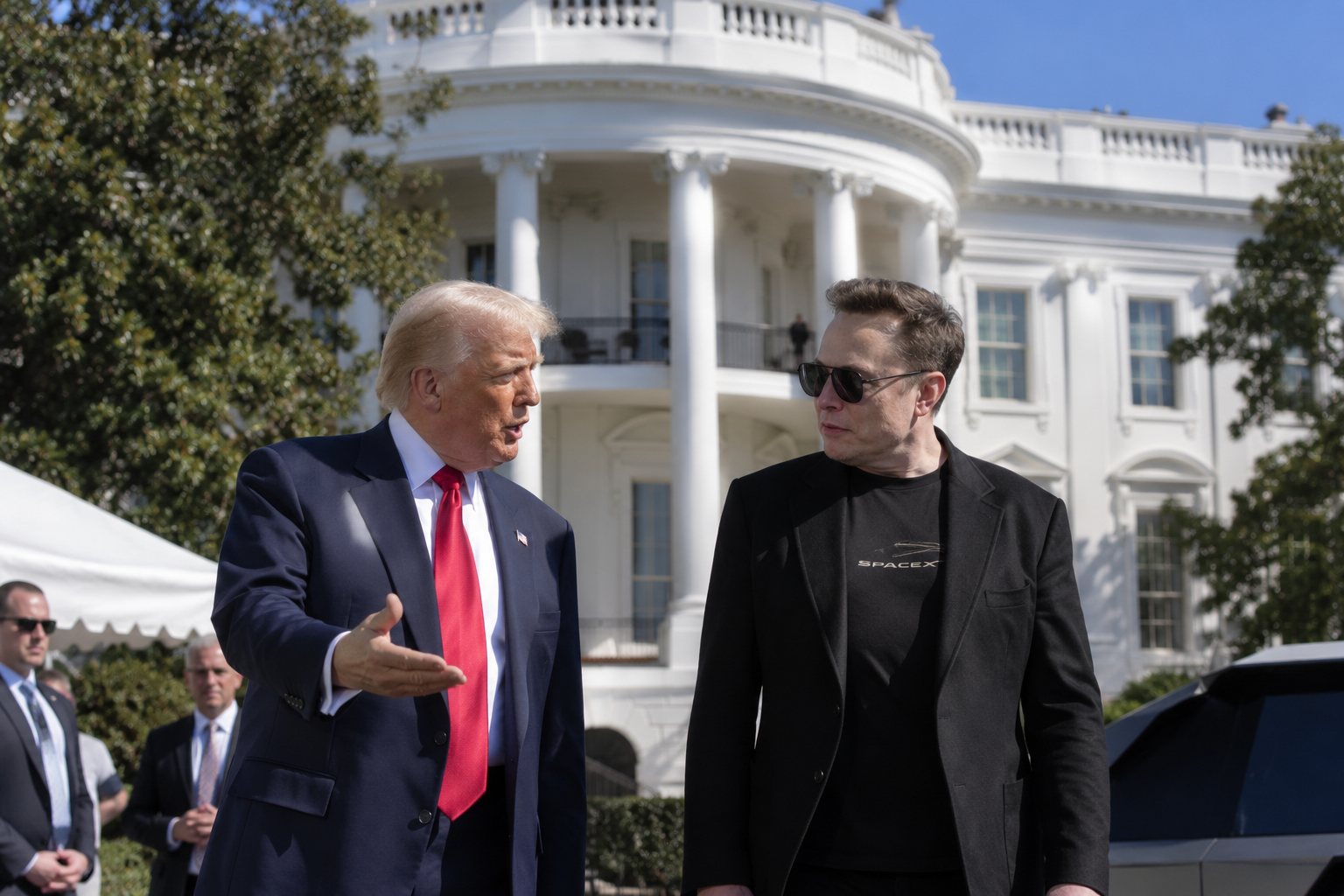
Reports of reduced satellite communications for Ukraine are raising questions about decisions made by the Trump administration, as a former Republican strategist points to the president's renewed relationship with Elon Musk and his dealings with Russia.**
Former Republican strategist Tim Miller is questioning a series of developments involving President Donald Trump, billionaire Elon Musk and Russian President Vladimir Putin.
According to Raw Story, Miller expressed concern about the timing of recent events, including restrictions affecting Ukraine's satellite communications and the political relationship between Trump and Musk.
Miller did not claim to have evidence of a coordinated conspiracy. Instead, he argued that the developments deserve closer scrutiny.
Ukraine's Communications Disrupted
Reuters reported October 16 that Ukraine has experienced reduced access to satellite services, affecting military communications and internet speeds.
The disruption reportedly involved reductions in Starshield services approved by the White House. Starshield is a secure satellite system developed by Musk's SpaceX for government and defense customers.
Trump denied that his administration had imposed restrictions and insisted that neither he nor Musk was responsible.
Those denials leave important questions about the reported service changes and who authorized them.
Musk Returns to Trump's Inner Circle
The controversy comes as Musk has reestablished his relationship with Trump following their highly publicized falling-out in 2025.
Musk has also emerged as a major financial supporter of Republican candidates ahead of the November midterm elections, contributing hundreds of millions of dollars to political organizations.
His overlapping roles as a government contractor, political donor and presidential ally have renewed questions about the relationship between private business interests and federal decision-making.
Questions That Deserve Answers
For Ukraine, dependable satellite communications are a military necessity. Any reduction in access could have serious consequences for forces defending themselves against Russia's invasion.
There is no established evidence that Trump, Musk and Putin coordinated a plan to disrupt Ukrainian communications.
Nevertheless, the reported service reductions, Trump's denials and Musk's relationship with the administration raise legitimate questions about transparency and accountability.
Who authorized the reported changes to Ukraine's satellite services, why were they made, and what role, if any, did SpaceX executives play?
Those questions deserve documented answers, not speculation.
For an administration responsible for American foreign policy and national security, the public should be able to understand how such consequential decisions are made.