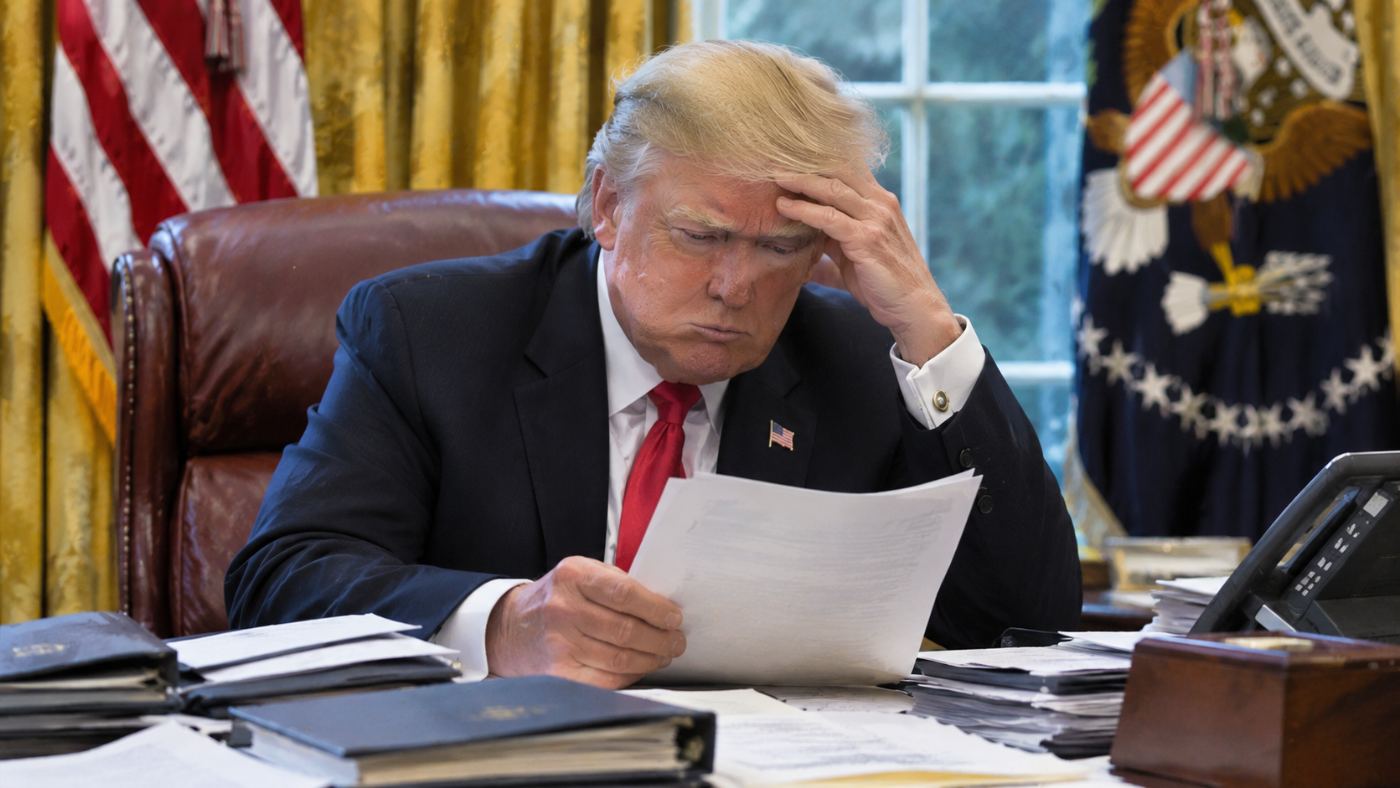
On December 9, 2020, President Donald Trump personally moved to join an extraordinary Supreme Court lawsuit seeking to overturn Joe Biden's presidential election victories in four battleground states.
With the Electoral College scheduled to meet in just five days, Trump's legal team filed a motion to intervene in a case brought by Texas Attorney General Ken Paxton against Georgia, Michigan, Pennsylvania, and Wisconsin.
The intervention came after repeated courtroom defeats and certifications confirming Biden's victory.
Legal experts described the Texas lawsuit as a long-shot attempt to reverse the election through the courts.
Trump Turns to the Supreme Court
Trump had spent weeks alleging widespread election fraud, despite failing to establish evidence sufficient to overturn the results.
Courts across the country had rejected numerous challenges brought by Trump and his allies.
On December 8, the Supreme Court rejected an emergency application from Pennsylvania Republicans seeking to disrupt that state's certified results.
The following day, Trump turned his attention to the Texas lawsuit.
He celebrated the case on social media, declaring, "This is the big one!"
His lawyers formally requested permission to intervene, placing the sitting president directly behind an effort to challenge election results in four states he had lost.
Millions of Votes at Stake
Texas argued that election procedure changes made during the COVID-19 pandemic violated constitutional requirements.
The lawsuit sought to prevent the four states from relying on their certified results when appointing presidential electors.
Together, those states represented 62 electoral votes.
Biden had won the election with 306 electoral votes to Trump's 232.
Removing those 62 votes from Biden's total would have deprived him of the 270 votes required for an Electoral College majority.
Critics argued that the requested remedy would effectively disregard millions of legally cast ballots and transfer control over the outcome to state legislatures.
The four states had already certified Biden's victories.
Republican Officials Join the Challenge
Seventeen Republican state attorneys general filed a brief supporting Texas's lawsuit.
Trump also reportedly asked Republican Senator Ted Cruz to argue the case before the Supreme Court if the justices agreed to hear it. Cruz agreed.
The growing Republican involvement demonstrated that efforts to challenge Biden's victory extended well beyond Trump's campaign.
But not every Republican supported the approach.
Texas Senator John Cornyn, himself a former state attorney general, publicly questioned why Texas should have authority to challenge how other states conducted their elections.
Legal Experts Question the Case
Constitutional scholars raised serious doubts about whether Texas had standing to sue other states over their election procedures.
The lawsuit attempted to invoke the Supreme Court's original jurisdiction over disputes between states.
Its supporters maintained that the case presented important constitutional questions about election administration.
Critics argued that Texas had no legal basis to demand changes to other states' certified presidential results.
Dallas appellate attorney David Coale described the effort as a last-minute football-style Hail Mary, reflecting the rapidly approaching Electoral College deadline.
Supreme Court Rejects the Challenge
On December 11, the Supreme Court denied Texas's request to file its complaint.
The justices concluded that Texas lacked standing because it had not demonstrated a legally recognized interest in how another state administered its elections.
The Court dismissed Trump's intervention motion and other pending motions as moot.
The ruling left Biden's victories intact.
Three of the Supreme Court's justices had been appointed by Trump, but the Court did not grant the requested intervention.
December 9, 2020, marked a direct escalation in Trump's effort to reverse his defeat. With time running out and previous legal challenges unsuccessful, the president personally joined an attempt to set aside certified results in four states. Two days later, the Supreme Court rejected that effort as well.