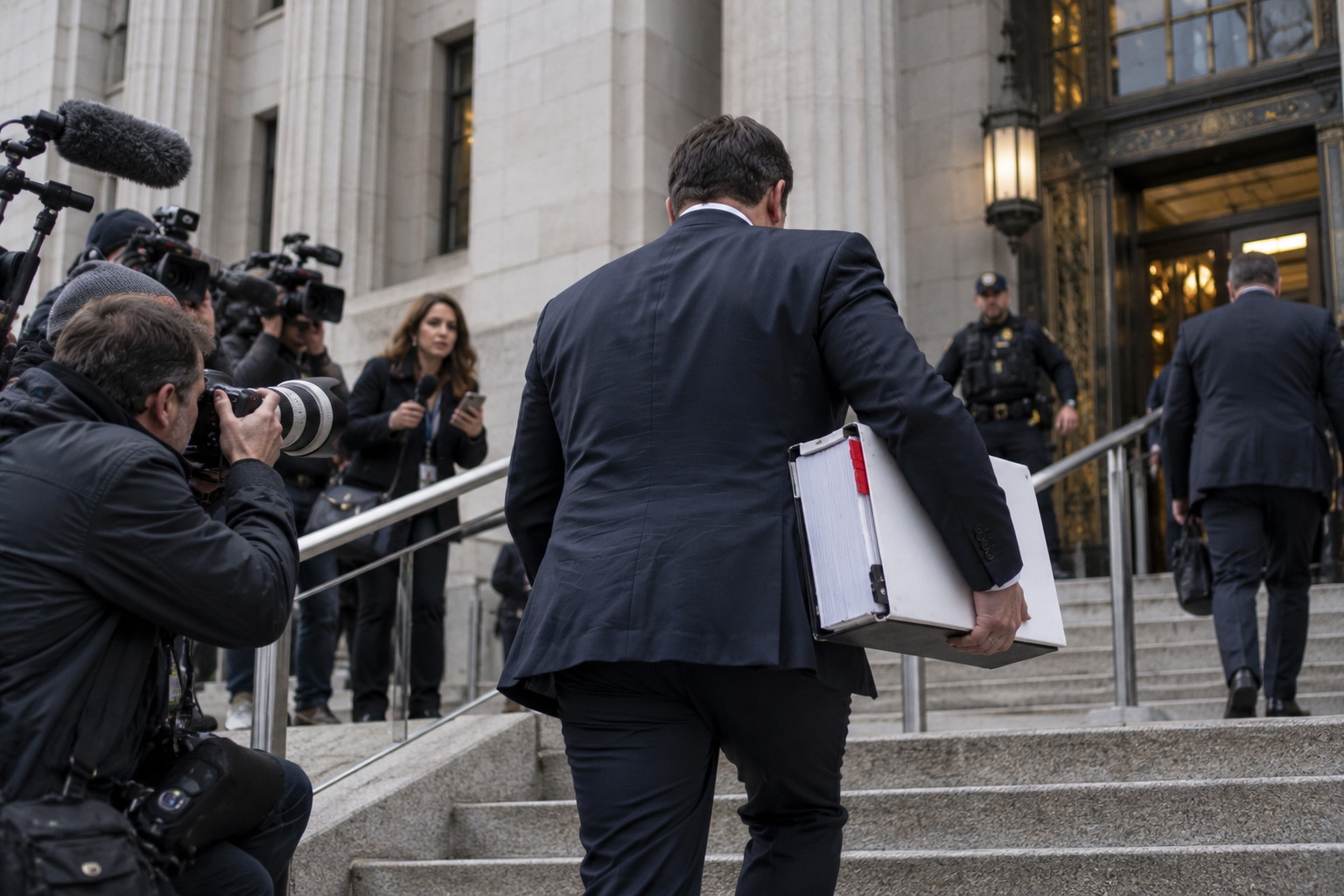
With the presidential election just five weeks away, Donald Trump's attorneys were fighting to prevent the public release of a massive court filing detailing special counsel Jack Smith's evidence in the federal case accusing Trump of illegally attempting to overturn the results of the 2020 election.
On October 1, Trump's legal team urged U.S. District Judge Tanya Chutkan not to make Smith's filing public, arguing that releasing the material so close to Election Day would unfairly interfere with the presidential campaign.
Trump's lawyers characterized the prosecution's submission as a “politically motivated manifesto” and argued that the extensive presentation of evidence was unnecessary.
Smith's team saw the matter differently.
Prosecutors said the filing was necessary because the Supreme Court had fundamentally changed the legal landscape of the case by ruling that former presidents have broad immunity from prosecution for official acts performed while in office.
The judge now had to determine which allegations against Trump could legally proceed.
A Criminal Case Reshaped by Presidential Immunity
Trump had been charged with four federal crimes stemming from his efforts to remain in power following his defeat by Joe Biden in the 2020 presidential election.
He pleaded not guilty and repeatedly argued that the prosecution was politically motivated.
The case had been delayed for months while Trump pursued his claim that his actions as president were protected by presidential immunity.
On July 1, 2024, the Supreme Court issued a landmark decision holding that former presidents have absolute immunity for actions within their core constitutional authority and presumptive immunity for other official acts.
Presidents do not have immunity for unofficial conduct.
That ruling forced prosecutors to reconsider how they would present their case.
Smith's team responded by filing a revised indictment and preparing an extensive legal brief explaining why prosecutors believed much of Trump's alleged conduct involved actions taken as a presidential candidate rather than protected presidential duties.
Smith Files 165 Pages of Evidence
On September 26, Smith's prosecutors submitted a 165-page filing to Judge Chutkan.
It was initially filed under seal.
The document was designed to explain the government's evidence and demonstrate why prosecutors believed the remaining allegations could survive the Supreme Court's immunity ruling.
Trump's attorneys objected to the filing itself and to the possibility that it would become public.
Their concern was not difficult to understand politically.
Trump was again the Republican nominee for president, and Election Day was November 5.
Making a lengthy account of the prosecution's evidence publicly available weeks before voters went to the polls guaranteed enormous national attention.
Trump’s Lawyers Fight Publication
By October 1, Trump's attorneys were urging Chutkan to prevent or delay the filing's release.
They argued that Smith was effectively using a court filing to publish damaging allegations against a presidential candidate shortly before an election.
Trump's team also maintained that the filing went far beyond what was necessary for resolving the immunity questions before the court.
The defense had consistently argued that the prosecution itself should be dismissed under the Supreme Court's presidential-immunity decision.
Trump also continued to describe Smith's prosecution as politically motivated.
Smith's office maintained that its filing was part of the ordinary judicial process required to determine which portions of the criminal case remained legally viable after the Supreme Court ruling.
A Judge Caught Between Law and Politics
The dispute presented Judge Chutkan with an unusual situation.
Anything she did would occur in the middle of a presidential campaign.
Keeping the filing sealed could prevent voters from seeing evidence contained in a public criminal prosecution involving one of the candidates.
Releasing it would inevitably become major political news weeks before the election.
Chutkan had repeatedly emphasized that Trump's status as a presidential candidate would not determine the court's schedule.
The central question before her was a legal one: which allegations involved potentially criminal conduct by a private candidate and which involved presidential actions protected by immunity?
What Happened Next
Trump's attempt to prevent the release did not succeed.
On October 2, the redacted 165-page filing became public.
It contained prosecutors' detailed account of evidence they intended to use against Trump if the case eventually reached trial.
Among other things, prosecutors described Trump's interactions with Vice President Mike Pence, state officials, campaign advisers and others during the weeks between the November 2020 election and the January 6, 2021 attack on the U.S. Capitol.
Those revelations belong to the following day's story.
On October 1, the important development was the fight over whether Americans would be allowed to see them at all.
Trump's attorneys wanted Smith's filing kept from public view as the presidential election approached.
Prosecutors argued that the evidence was necessary for the court to determine what remained of the criminal case after the Supreme Court's immunity ruling.
Judge Chutkan ultimately allowed the filing to become public.
Twenty-four hours later, the contents of Jack Smith's case against Trump would dominate national headlines.