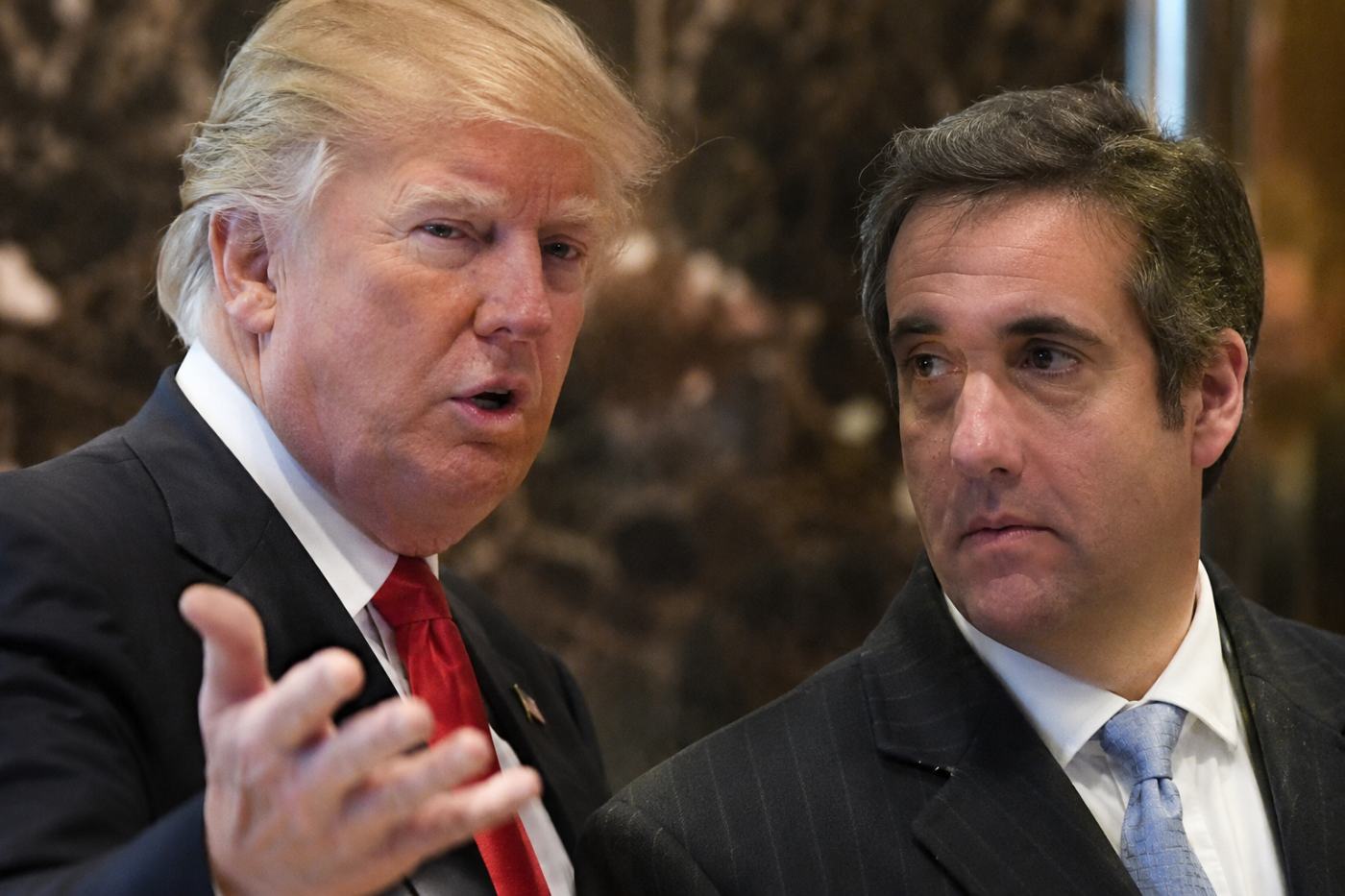
President Donald Trump faced renewed questions about possible campaign-finance violations on November 12, 2018, following explosive reporting that he had personally participated in efforts to silence two women who claimed to have had affairs with him.
A November 9 investigation by The Wall Street Journal reported that federal prosecutors had gathered evidence connecting Trump directly to payments involving adult-film actress Stormy Daniels and former Playboy model Karen McDougal.
The findings challenged Trump's earlier public denials of knowledge about the arrangements and raised questions about whether money had been spent unlawfully to protect his 2016 presidential campaign.
Two Women, $280,000, and a Presidential Campaign
The controversy centered on payments totaling $280,000.
In August 2016, American Media Inc., the parent company of the National Enquirer, paid Karen McDougal $150,000 for the rights to her account of an alleged affair with Trump.
Rather than publish the story, the company kept it from appearing in the tabloid, a practice commonly known as catch and kill.
Two months later, Trump's longtime personal attorney Michael Cohen arranged a $130,000 payment to Stormy Daniels, whose legal name is Stephanie Clifford.
Daniels had threatened to publicly discuss an alleged 2006 sexual encounter with Trump shortly before the presidential election.
Both women alleged relationships with Trump, who denied the encounters.
The timing of the payments became central to investigators' examination of whether the arrangements constituted unlawful campaign contributions.
Trump's Personal Involvement Comes Under Scrutiny
The Wall Street Journal's November 9 investigation reported that Trump had been involved in or informed about nearly every step of the payment arrangements.
According to the reporting, Trump personally asked American Media executive David Pecker to prevent McDougal's story from becoming public.
The newspaper also described Trump's involvement in discussions surrounding the Daniels payment.
These revelations added to statements Cohen had already made under oath.
In August 2018, Cohen pleaded guilty to federal campaign-finance violations and other crimes, acknowledging that he had arranged the payments to influence the presidential election.
He told the court that he acted at the direction of a candidate for federal office, an unmistakable reference to Trump.
Trump disputed Cohen's account and maintained that he had not violated campaign-finance laws.
A Pattern of Contradictory Explanations
The new reporting highlighted inconsistencies in Trump's previous explanations.
In April 2018, Trump publicly denied knowing about Cohen's payment to Daniels.
Weeks later, attorney Rudy Giuliani acknowledged that Trump had reimbursed Cohen, contradicting the impression that the president had been unaware of the transaction.
Trump subsequently argued that the reimbursement involved personal funds rather than campaign money.
But the central legal issue was not simply where the money originated.
Federal campaign-finance law regulates certain expenditures made for the purpose of influencing elections, including contributions that exceed legal limits or are improperly reported.
Prosecutors were examining whether the payments were intended to prevent politically damaging information from reaching voters before Election Day.
Questions Reach the Presidency
The investigation placed Trump in an unusual legal position.
Federal prosecutors had already secured Cohen's guilty plea, and the new reporting suggested they possessed evidence about the president's direct participation.
Nevertheless, Trump had not been charged with a crime, and the Justice Department's longstanding position against indicting a sitting president complicated questions about potential prosecution.
The revelations also renewed scrutiny of the relationship between Trump's campaign, his personal attorney, and the National Enquirer's parent company.
For voters, the controversy raised a broader question about whether information concerning a presidential candidate had deliberately been concealed through financial arrangements.
By November 12, the hush-money controversy had developed into something far more consequential than allegations