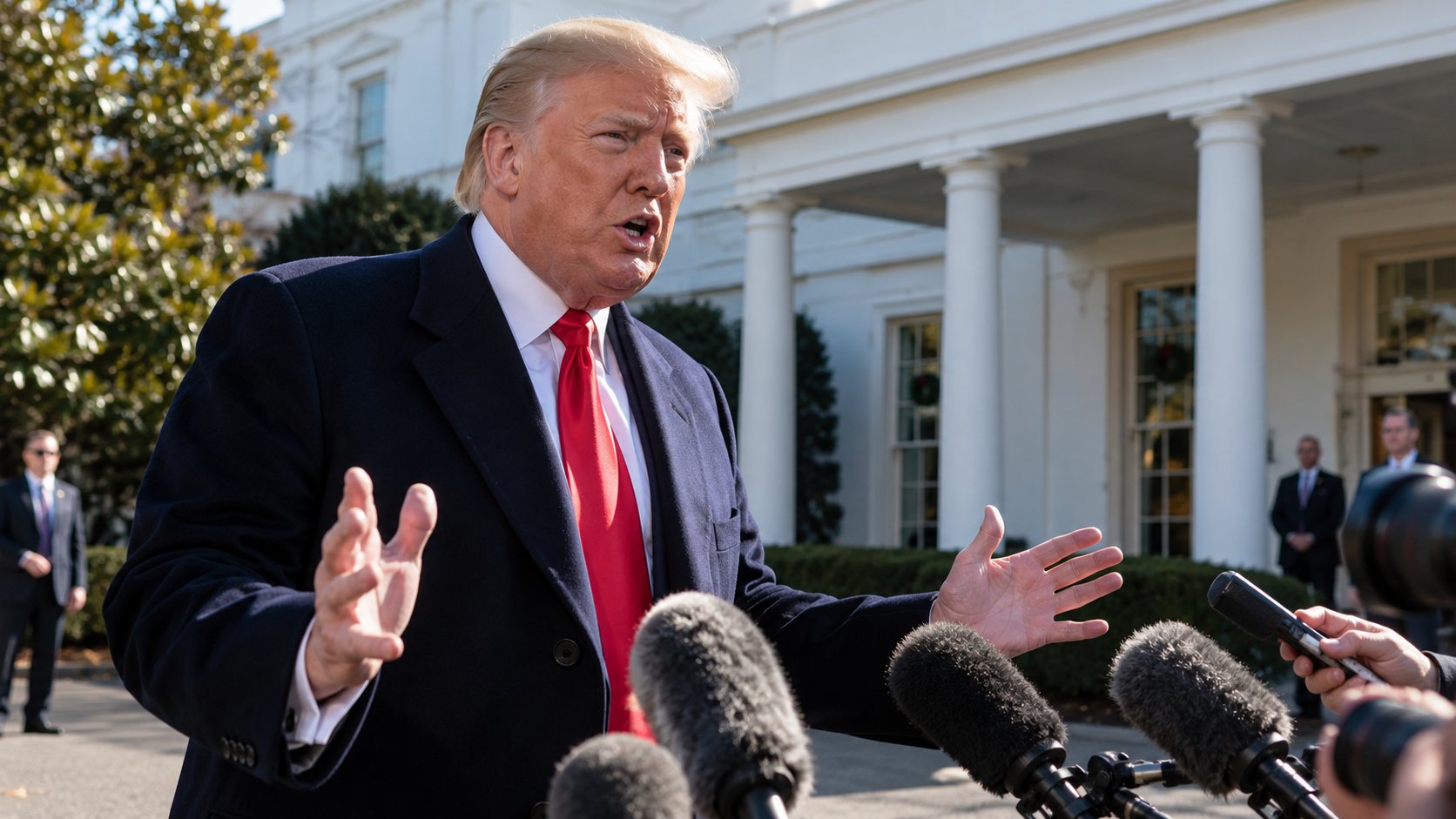
Former President Donald Trump is defending his controversial remarks about former Republican Congresswoman Liz Cheney, accusing the media of deliberately misrepresenting his words as the presidential election approaches.
During a Saturday appearance on Fox & Friends Weekend, Trump insisted that his comments were intended to criticize politicians who support military conflicts without personally experiencing combat.
The controversy began Thursday during an event with Tucker Carlson in Arizona, when Trump called Cheney a "radical war hawk" and suggested placing her on a battlefield with guns pointed in her direction.
His remarks immediately sparked criticism, with Cheney accusing Trump of using threats to intimidate political opponents.
Trump and his campaign insist that he was describing the dangers of combat rather than advocating violence against Cheney.
But there is a striking contradiction in Trump's argument: Donald Trump has never served a single day in the United States military.
During the Vietnam War, Trump received four student deferments and a medical deferment related to bone spurs in his heels, allowing him to avoid military service.
Despite never experiencing combat himself, Trump has repeatedly criticized Cheney and other political figures over their willingness to send American troops into dangerous conflicts.
On Saturday, Trump continued attacking Cheney, calling her a supporter of unnecessary wars and accusing news organizations of deliberately distorting his statements.
The former president's defenders argue that his comments were a criticism of interventionist foreign policy, not a threat of execution. Critics counter that his choice of violent imagery was inappropriate, particularly when directed at a prominent political opponent.
Cheney, who served as vice chair of the House committee investigating the January 6 Capitol attack, has endorsed Vice President Kamala Harris and become one of Trump's most outspoken Republican critics.
With Election Day just three days away, the dispute has renewed scrutiny of Trump's rhetoric toward political opponents.
His argument that politicians should understand the dangers faced by American service members also raises an uncomfortable question: Why does Trump demand that others appreciate the realities of combat when he avoided military service himself?