President Donald Trump is celebrating the financial benefits of soaring oil prices caused by the war with Iran, declaring that the United States is making a "freaking fortune" even as American families struggle with some of the highest fuel costs in years.
Speaking at a campaign rally in Perry, Georgia, on October 24, Trump boasted that the conflict had created enormous financial opportunities for American oil-producing states. He claimed the country was making hundreds of billions of dollars as international buyers turned to U.S. energy producers.
Trump also acknowledged that his advisers had warned him against celebrating higher oil prices while Americans were paying more at the pump. According to reporting by 24/7 Wall St., he dismissed those concerns, saying he did not care about the criticism.
The remarks highlight a fundamental distinction between the financial fortunes of American oil companies and the economic realities facing ordinary consumers.
Oil Companies Profit While Consumers Pay
The war with Iran, which began February 28, has disrupted global petroleum markets and driven energy prices sharply higher.
American oil producers have benefited substantially.
ExxonMobil reported approximately $14.5 billion in second-quarter profits, while Chevron earned roughly $12.1 billion. Together, the two companies generated approximately $26.6 billion in quarterly profits as global crude prices surged.
U.S. petroleum exports also reached record levels in April, when crude oil and petroleum product shipments averaged approximately 13.6 million barrels per day.
But increased revenue for American energy companies does not mean American households are becoming wealthier.
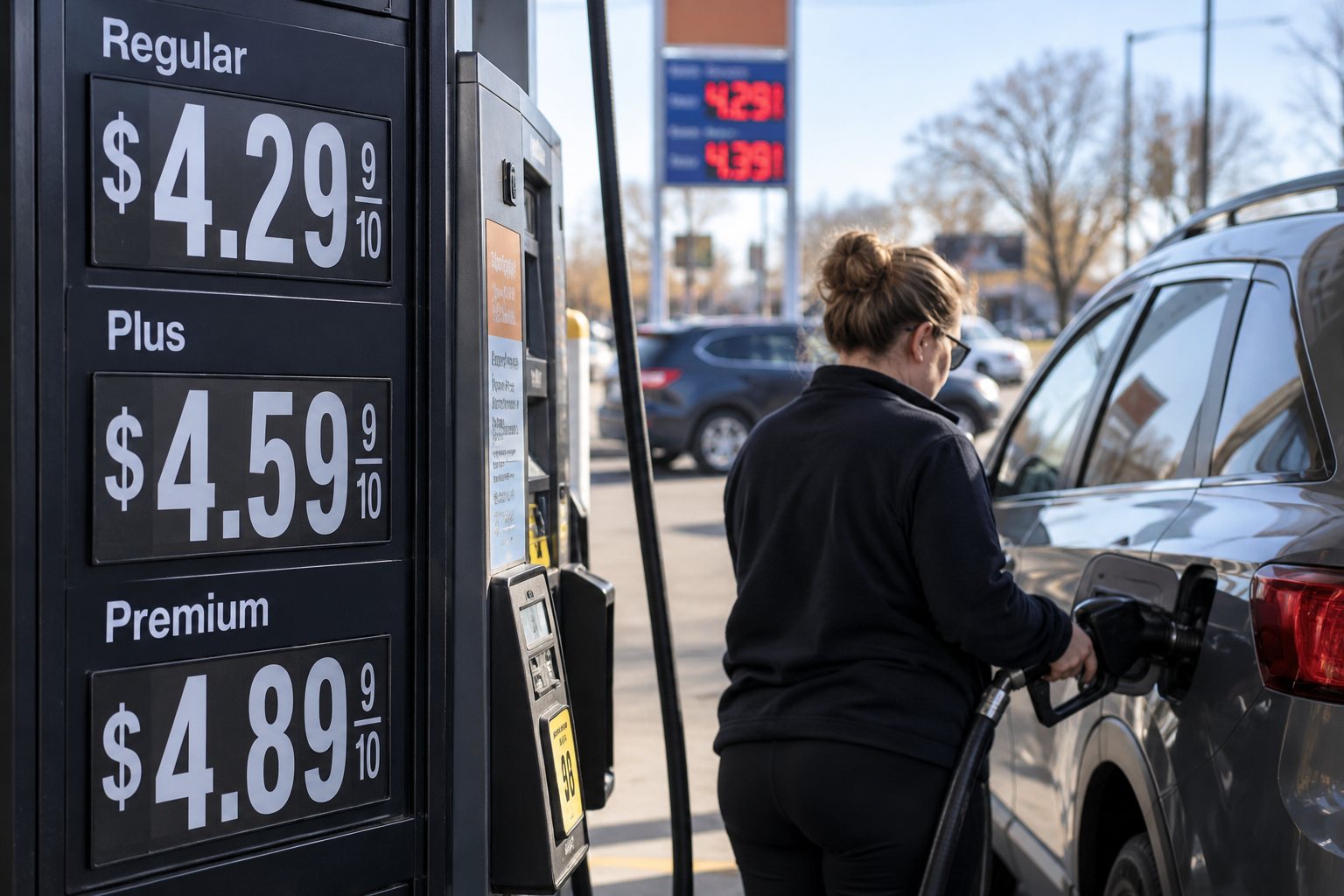
As of October 26, the national average gasoline price had reached approximately $4.29 per gallon, compared with $2.98 before the war began. Diesel prices had climbed from $3.76 to approximately $6.35 per gallon.
Those increases affect far more than the cost of filling a vehicle. Higher diesel prices increase transportation and agricultural expenses, while rising energy costs place additional pressure on businesses and household budgets.
For Americans already struggling with living expenses, the financial benefits Trump described are difficult to reconcile with their own experiences.
Who Actually Gets the Money?
Trump's suggestion that the country is making hundreds of billions of dollars obscures an important economic distinction.
Revenue from oil exports primarily flows to the companies producing, refining, transporting, and selling petroleum. Some of that money benefits workers, investors, and governments through wages, dividends, and taxes.
It does not flow directly into the pockets of American consumers.
The financial benefits are also unevenly distributed. Oil-producing regions and energy companies can gain from higher prices, while households and businesses that consume fuel face increased expenses.
Furthermore, the export boom has already moderated. According to federal energy data cited by 24/7 Wall St., petroleum exports declined from their April peak to approximately 11.4 million barrels per day in July.
Economists have also warned that disruptions to global oil supplies can slow economic growth even when American producers benefit from higher prices.
Research from the Federal Reserve Bank of Dallas suggests that a prolonged global oil supply disruption could reduce U.S. economic growth, partially offsetting the gains enjoyed by domestic energy producers.
A Different Reality at the Gas Pump
Trump has repeatedly defended higher fuel prices as an acceptable economic consequence of the war, which he argues is necessary to prevent Iran from obtaining a nuclear weapon.
His administration has also taken steps intended to ease energy costs and has characterized the disruptions as temporary.
Nevertheless, the contrast between the president's public enthusiasm for increased oil revenue and the financial pressures facing consumers has become increasingly difficult to ignore.
The United States may be exporting more petroleum at higher prices, and major energy companies may be reporting extraordinary profits.
But for millions of Americans paying substantially more for gasoline, diesel, transportation, and everyday necessities, those corporate gains offer little immediate relief.
Trump's remarks raise a straightforward question: When the president says America is making a fortune from the war, which Americans are actually benefiting?