President Donald Trump's campaign is expanding its legal challenges to the presidential election, announcing plans to prevent Michigan from certifying its results while continuing lawsuits in other battleground states.
The effort comes three days after major news organizations projected Democrat Joe Biden as the winner of the November 3 election.
Trump has refused to concede, repeatedly alleging widespread voter fraud despite election officials reporting no significant irregularities capable of changing the outcome.
The expanding legal campaign raises questions about how far the president intends to go in challenging an election he has lost.
Michigan Becomes the Latest Legal Battleground
On Tuesday, Trump campaign attorney Matt Morgan announced plans to challenge Michigan's certification process.
The campaign argues that election officials should not certify the results until they verify that ballots were legally cast and properly counted.
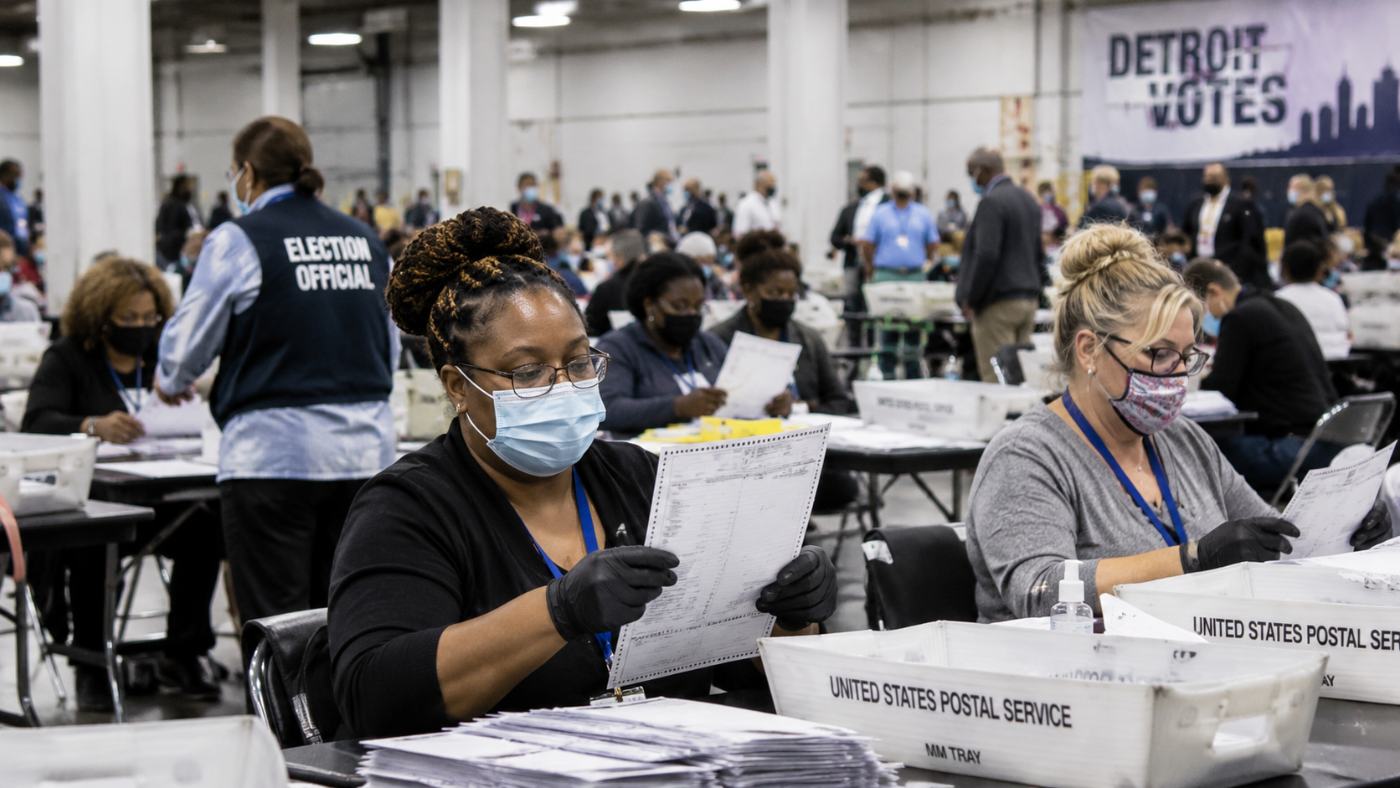
The campaign is alleging irregularities involving absentee ballots, election observers, and voting procedures, particularly in Wayne County, which includes Detroit.
Biden currently leads Trump in Michigan by approximately 145,000 votes.
Michigan election officials have defended the integrity of the state's voting procedures, while legal experts question whether the allegations could justify overturning such a substantial margin.
The campaign previously attempted to halt ballot counting in Michigan, but a state judge rejected that request.
Pennsylvania Faces Continued Litigation
Michigan is not the only state facing legal challenges.
On Monday, Trump's campaign filed a federal lawsuit seeking to prevent Pennsylvania from certifying Biden's victory.
The lawsuit alleges that election officials applied different standards to mail-in and in-person ballots, creating what the campaign characterizes as unequal treatment.
Trump's attorneys have also raised objections concerning access for Republican election observers.
Pennsylvania officials maintain that the election was conducted lawfully, and several earlier challenges have failed to produce evidence sufficient to change the results.
The campaign is pursuing additional disputes in other closely contested states, including Arizona and Nevada.
Election Officials Reject Widespread Fraud Claims
While Trump's legal team continues filing challenges, election officials from both major political parties are reporting that voting proceeded without significant irregularities.
A New York Times survey published Tuesday found that election officials across the country had identified no evidence of widespread fraud affecting the presidential outcome.
Reuters similarly reports that state officials have found no significant irregularities supporting Trump's broader allegations.
Isolated administrative errors and disputes over election procedures can occur in any election. However, such incidents do not establish a coordinated effort to manipulate results.
Trump has not presented publicly verified evidence demonstrating fraud on the scale necessary to overturn Biden's projected victory.
Justice Department Authorizes Investigations
Attorney General William Barr has authorized federal prosecutors to investigate substantial allegations of voting irregularities before states complete certification.
The decision represents a departure from longstanding Justice Department practices intended to limit federal involvement in election disputes before results are finalized.
Richard Pilger, the Justice Department official overseeing election-related investigations, has stepped down from that position following Barr's directive.
The development adds another dimension to the controversy as the administration challenges the election results.
Biden Moves Forward With Transition
Despite Trump's refusal to concede, Biden is proceeding with preparations to assume office on January 20.
Speaking Tuesday, the president-elect dismissed suggestions that the legal challenges would prevent the transfer of power.
However, the General Services Administration has not formally recognized Biden as the apparent winner, delaying access to federal transition resources.
The distinction between legitimate legal challenges and unsupported allegations of widespread fraud is becoming central to the dispute.
As lawsuits multiply and election officials continue defending the vote count, the country faces an unusual situation: an incumbent president attempting to block certification of results while his successor prepares to take office.