Former President Donald Trump took his legal battle over documents seized from Mar-a-Lago to the nation's highest court on October 4, 2022, asking the U.S. Supreme Court to intervene in a dispute over roughly 100 records bearing classified markings.
Trump's attorneys filed an emergency application asking the Supreme Court to partially reverse a federal appeals court ruling that had prevented a court-appointed special master from reviewing those documents.
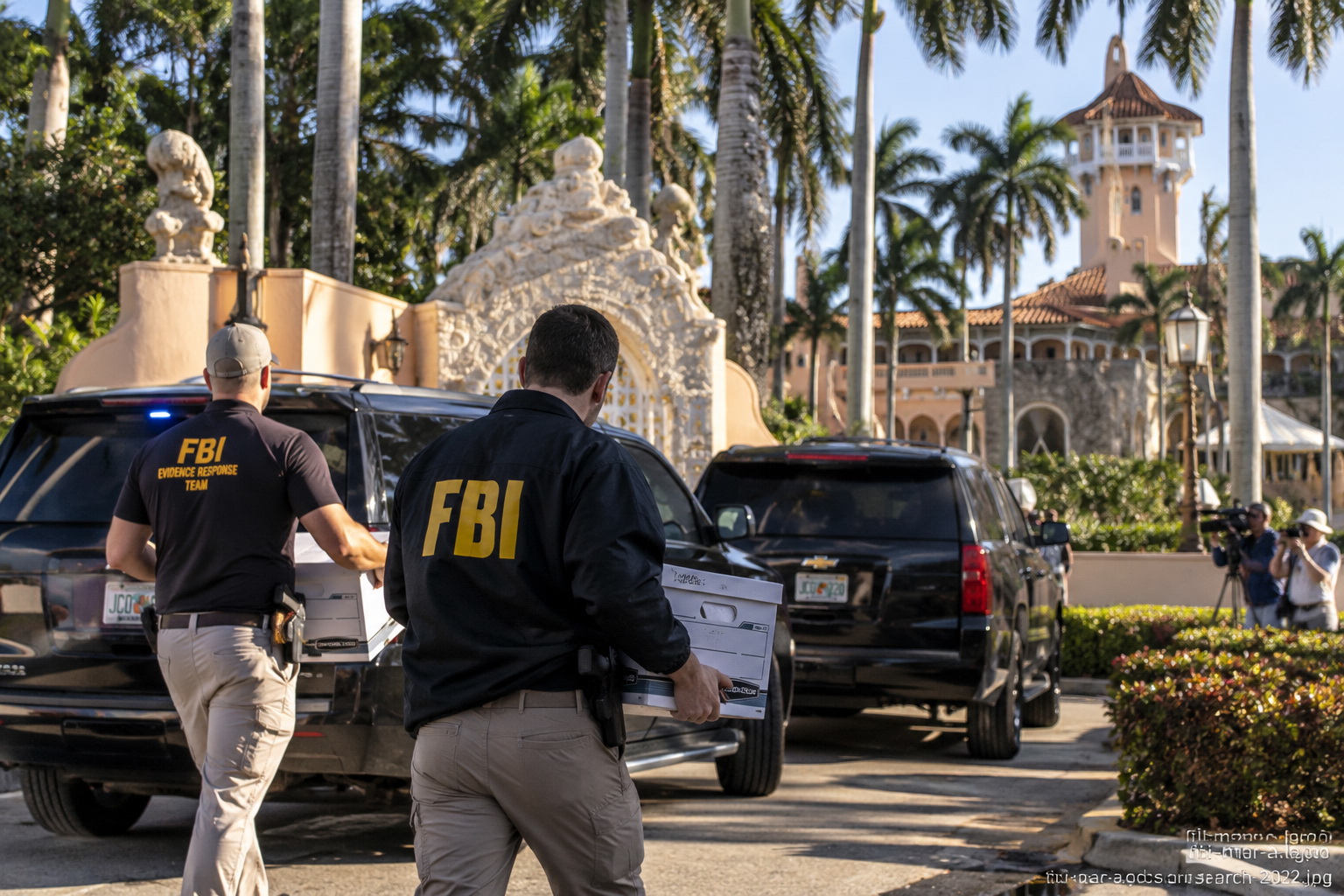
The request represented another escalation in the legal fight that began after FBI agents searched Trump's Mar-a-Lago residence and club in Palm Beach, Florida, on August 8.
At the center of the dispute was a fundamental question:
Who should be allowed to review the documents seized from the former president's property?
Thousands of Government Records Seized at Mar-a-Lago
The FBI recovered roughly 11,000 documents during its August search of Mar-a-Lago.
Among them were approximately 100 documents bearing classification markings.
The search was conducted pursuant to a federal search warrant as part of an investigation into the handling and retention of government records.
After the search, Trump's attorneys went to federal court seeking the appointment of an independent third party—a special master—to examine the seized material.
U.S. District Judge Aileen Cannon granted Trump's request.
She later appointed veteran federal judge Raymond Dearie to serve as the special master.
Dearie's job was to independently review seized materials and identify records that potentially involved attorney-client privilege, executive privilege or other issues affecting whether investigators could use them.
But the Justice Department strongly objected to including the documents bearing classification markings in that process.
Appeals Court Sides With Justice Department
The dispute eventually reached the U.S. Court of Appeals for the 11th Circuit.
On September 21, a three-judge panel sided with the Justice Department and removed the approximately 100 documents with classification markings from the special master's review.
The panel also allowed federal investigators to continue using those documents in their criminal investigation.
The ruling was unanimous.
Two of the three judges on the panel had been appointed by Trump himself.
The appeals court said Trump had not demonstrated why he had an individual interest in or need for the classified-marked documents.
The judges also addressed Trump's public claims that he had declassified material while president.
They noted that the court record contained no evidence establishing that the documents at issue had been declassified.
Trump's attorneys then turned to the Supreme Court.
Trump Goes to the Supreme Court
On October 4, Trump's lawyers filed an emergency application asking the Supreme Court to vacate part of the 11th Circuit's ruling.
Importantly, Trump's request was narrower than the broader legal battle over the Mar-a-Lago search.
His attorneys were not asking the Supreme Court to stop the Justice Department from using the documents in its investigation.
Instead, they wanted the documents with classification markings returned to the special master's review.
Trump's attorneys argued that Dearie needed access to the documents to determine whether they were classified and whether they should be considered personal or presidential records.
They also challenged whether the appeals court had authority to interfere with that portion of Cannon's special-master order.
The case was officially docketed by the Supreme Court as Trump v. United States, No. 22A283.
The Classification Dispute
Trump had repeatedly claimed publicly that he declassified material while he was president.
His Supreme Court application, however, did not establish that the approximately 100 disputed records had actually been declassified.
Instead, his attorneys emphasized Trump's broad authority over classification while he was president and argued that classification markings alone should not determine the status of the records.
The 11th Circuit had already rejected that reasoning as a basis for allowing the special master to review the documents.
The appeals court also noted an important distinction:
Even if a document had been declassified, that would not automatically make it Trump's personal property.
Government records and classified records are separate legal questions.
Application Goes to Justice Clarence Thomas
Trump's emergency application was submitted to Supreme Court Justice Clarence Thomas.
Thomas handles emergency matters originating from the 11th Circuit, which includes Florida.
That did not mean Thomas would necessarily decide Trump's request himself.
Supreme Court justices routinely refer significant emergency applications to the full court.
On the same day Trump filed his application, Thomas ordered the Justice Department to respond by October 11.
The dispute was now officially before the Supreme Court.
Justice Department Pushes Back
The Justice Department opposed Trump's request.
Federal prosecutors argued that Trump had not demonstrated a legitimate need for the special master to examine the documents bearing classification markings.
The government also maintained that the records were particularly important to its investigation because of their potential national-security implications.
The Justice Department's broader position was that Judge Cannon should not have exercised jurisdiction over Trump's lawsuit in the first place.
But the immediate Supreme Court dispute was much narrower.
The justices simply had to decide whether to disturb the appeals court's order preventing the special master from examining the classified-marked records.
Supreme Court Rejects Trump's Request
Trump did not have to wait long for an answer.
On October 13, 2022—nine days after he filed the application—the Supreme Court rejected his request.
The order was extremely brief.
The Court announced that the application to vacate the 11th Circuit's stay was denied.
There were no publicly recorded dissents.
That meant the roughly 100 documents bearing classification markings would remain outside the special master's review.
The Justice Department retained access to them for its investigation.
The Mar-a-Lago Fight Reaches the Nation's Highest Court
The October 4 application marked the moment the Mar-a-Lago documents dispute officially reached the Supreme Court.
What had begun with an unprecedented FBI search of a former president's residence had moved rapidly through the federal courts.
Trump had successfully persuaded Judge Cannon to appoint a special master.
The Justice Department had successfully persuaded the 11th Circuit to exclude the classified-marked documents from that review.
Trump then asked the Supreme Court to reverse that portion of the appeals court's decision.
Nine days later, the Supreme Court declined.
On October 4, 2022, Donald Trump asked the nation's highest court to put the documents bearing classified markings back before the special master—and the Supreme Court ultimately refused.