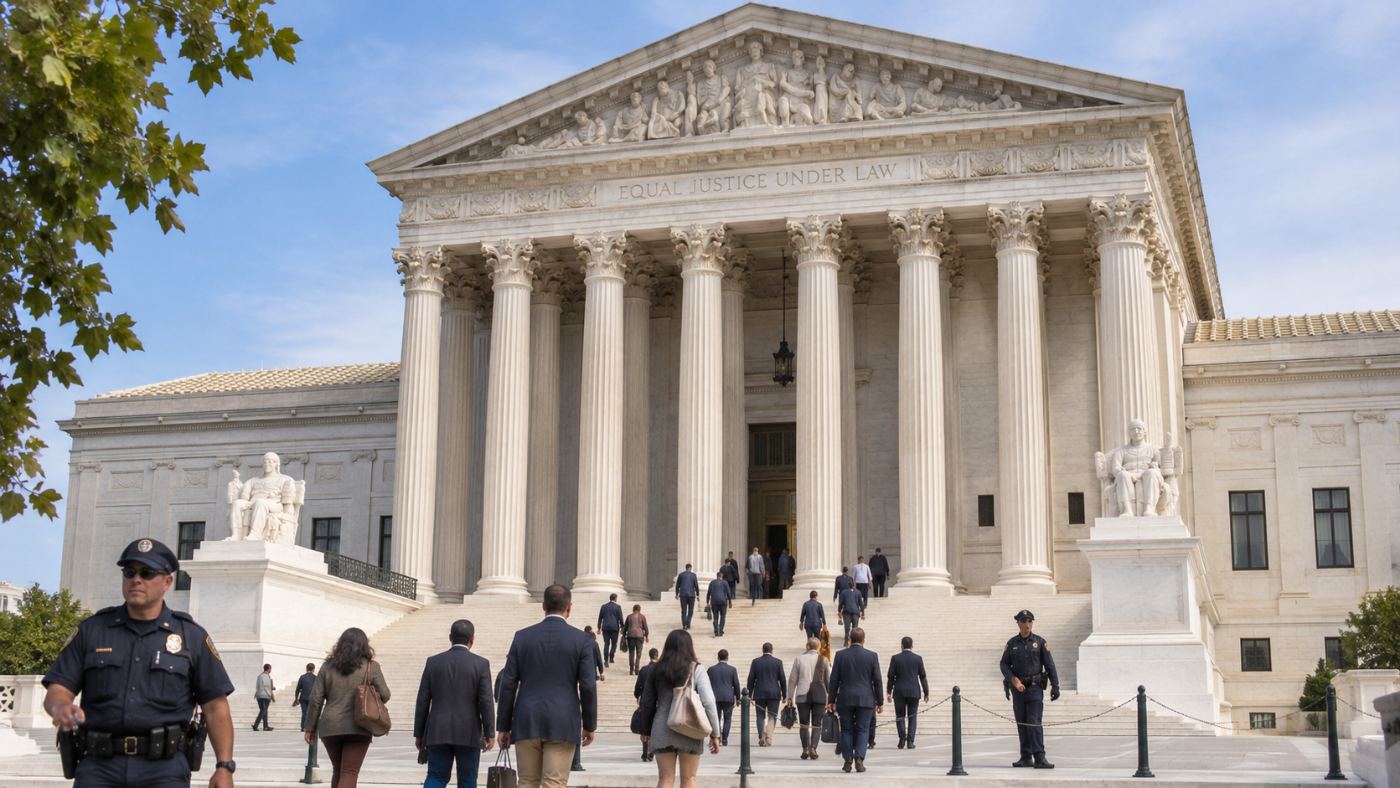
On December 6, 2019, President Donald Trump turned to the United States Supreme Court in an emergency effort to prevent Congress from obtaining years of financial records involving himself, his family, and his business empire.
The request came after a federal appeals court ruled that Deutsche Bank and Capital One must substantially comply with congressional subpoenas seeking records related to Trump's finances.
As the House of Representatives moved toward impeaching the president, Trump was simultaneously fighting a separate legal battle to keep his financial dealings beyond the reach of congressional investigators.
What Was Trump Trying to Keep Private?
The House Financial Services and Intelligence committees had subpoenaed financial records from Deutsche Bank, Trump's longtime lender, and Capital One.
Investigators sought information about loans, business transactions, financial statements, debts, and possible foreign financial connections.
The records potentially involved Trump, his three eldest children, the Trump Organization, and affiliated businesses.
Congressional investigators argued that the documents were necessary to examine financial transparency, banking practices, money laundering safeguards, and potential foreign influence.
Trump's attorneys countered that the subpoenas exceeded Congress's constitutional authority and improperly targeted the president's private financial affairs.
Rather than allowing the banks to comply, Trump and other plaintiffs sued to block disclosure.
Federal Courts Had Already Rejected Trump's Arguments
On December 3, the U.S. Court of Appeals for the Second Circuit largely upheld the subpoenas, concluding that congressional committees possessed legitimate investigative authority.
The court required additional protections for certain sensitive personal information but otherwise allowed substantial portions of the requests to proceed.
Facing the possibility that the banks would begin releasing records, Trump's legal team filed an emergency application with the Supreme Court on December 6.
The request sought to suspend enforcement while the president pursued a formal appeal.
Justice Ruth Bader Ginsburg granted a temporary stay that same day, preventing enforcement until December 13 while the Court considered the next steps.
The order was a procedural pause, not a ruling that Trump's financial records were legally protected from congressional oversight.
A President Fighting Financial Disclosure
The Deutsche Bank dispute was only one of several legal battles involving Trump's financial records.
His attorneys were also challenging a congressional subpoena directed at Mazars USA, his longtime accounting firm, and a separate subpoena issued during a Manhattan criminal investigation.
Together, the cases raised significant constitutional questions about congressional oversight, presidential privacy, and the limits of executive power.
Trump had broken with the modern presidential tradition of voluntarily releasing personal tax returns during his campaigns. His continued resistance to financial disclosure intensified scrutiny of his business relationships.
However, the existence of congressional subpoenas did not itself establish financial wrongdoing.
The Battle Would Continue Into 2020
The Supreme Court eventually addressed the congressional financial-records disputes in July 2020.
In Trump v. Mazars USA, the justices rejected the idea that Congress possessed unlimited authority to demand a president's personal financial information. They also declined to accept the sweeping protections sought by Trump's lawyers.
Instead, the Court established additional standards for evaluating congressional subpoenas involving presidential records and returned the disputes to lower courts.
The decision prolonged the legal fight rather than immediately delivering the documents to Congress.
December 6, 2019, marked another significant confrontation between Trump's determination to protect his private financial records and Congress's constitutional authority to investigate the president and his businesses.