President Donald Trump's approval rating has fallen to 32 percent, the lowest level recorded for him in Reuters/Ipsos polling across both of his presidencies, as Americans express growing dissatisfaction with the cost of living and the war with Iran.
The new Reuters/Ipsos survey, conducted September 17–20, found Trump's overall approval down from 35 percent just one week earlier.
But one of the most significant numbers may be what's happening inside his own party.
Trump's approval among Republicans has fallen to 73 percent, down from 82 percent in the previous Reuters/Ipsos survey.
Earlier this year, it was considerably higher.
In January, 86 percent of Republicans approved of Trump's overall job performance.
The decline comes at a particularly difficult moment for the White House: Americans will vote in the November 3 midterm elections with control of Congress at stake.
The Cost of Living Is Becoming a Serious Problem
The economy has long been central to Trump's political message.
When he returned to office in January 2025, Trump promised to bring down inflation and improve Americans' financial circumstances.
The latest polling suggests voters are increasingly dissatisfied with his performance on precisely those issues.
Only 17 percent of Americans approve of Trump's handling of the cost of living.
Among Republicans, approval of his handling of the cost of living has fallen dramatically.
In January, 70 percent of Republicans approved.
Now just 44 percent do.
For the first time in the Reuters/Ipsos polling, more Republicans disapprove of Trump's handling of the cost of living than approve.
That is particularly important because voters have repeatedly identified everyday expenses as one of their biggest concerns heading into the midterms.
A Reuters/Ipsos survey conducted in late August found 47 percent of registered voters saying the cost of living would be the single most important factor determining their congressional vote.
The Iran War Is Also Taking a Toll
Trump returned to the White House after repeatedly presenting himself as a president who could keep the United States out of prolonged foreign conflicts.
The continuing war with Iran has complicated that message.
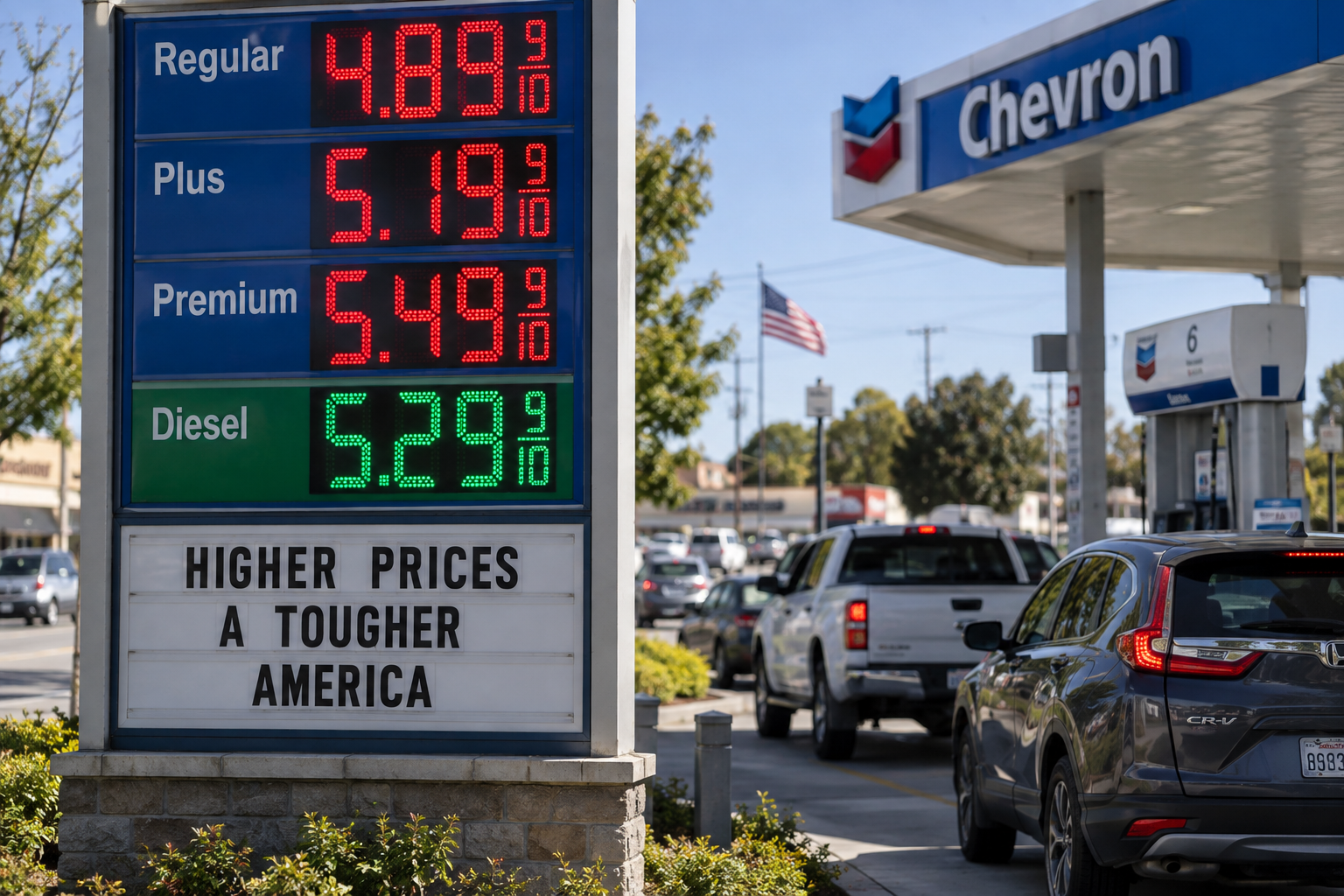
The conflict has now stretched into its seventh month, while Americans have faced sharply higher fuel costs.
According to the latest poll, only 34 percent of Americans support U.S. military strikes against Iran.
Meanwhile, 82 percent believe the conflict is likely to continue for a long time.
The economic consequences are increasingly difficult to separate from the political ones.
Higher energy and transportation costs can eventually work their way through much of the economy, affecting everything from trucking and agriculture to groceries and consumer goods.
That means a foreign-policy problem can quickly become a kitchen-table problem.
A Significant Decline From the Beginning of Trump's Term
The trajectory of Trump's approval numbers illustrates how much the political environment has changed.
When Trump began his second presidency in January 2025, a Reuters/Ipsos poll put his approval rating at 47 percent.
It now stands at 32 percent.
His support among Republicans has also weakened noticeably this year.
In January, 86 percent of Republicans approved of his overall performance.
Today, 73 percent do.
Trump still maintains majority support within his own party, but the decline is significant because Republican candidates are heading into an election in which they are defending narrow congressional majorities.
The Midterms Are Getting Closer
One poll does not determine an election, and national presidential approval is not the same thing as voting intentions in individual House and Senate races.
But the timing is difficult for Republicans.
The November 3 midterms are approaching while voters remain concerned about prices, the United States remains engaged in a war with Iran, and Trump's approval has reached its lowest point in Reuters/Ipsos polling.
Republican candidates now have to campaign in that environment.
And some of the deterioration is no longer confined to Democrats or independents.
The latest numbers show growing dissatisfaction among Republicans themselves, particularly over the cost of living.
For a president who returned to office promising lower prices and fewer foreign wars, those are two issues the White House can hardly afford to ignore.
With Election Day approaching, the question is whether these numbers represent a temporary dip — or whether voters' frustration over prices and Iran will persist into November.