The Trump administration is preparing to dramatically reduce the federal government's role in disaster relief, warning states that they will soon need to shoulder more of the financial burden of hurricanes, floods, wildfires, and other natural disasters.
According to an October 20 report by POLITICO, Federal Emergency Management Agency (FEMA) Administrator Cameron Hamilton told state emergency officials gathered in Little Rock, Arkansas, that they must increase their financial reserves and emergency response capabilities rather than depend on Washington.
The changes could begin within the next six months.
States Expected to Pay More
Hamilton outlined a future in which states would handle most disasters without requesting federal assistance. The administration also envisions a national mutual-aid system in which states help one another respond to emergencies.
The administration argues that reducing dependence on FEMA would encourage states to strengthen their disaster preparedness and allow recovery efforts to begin without waiting for federal approval.
However, the proposal raises serious questions about whether states can afford to take on responsibilities traditionally shared with the federal government.
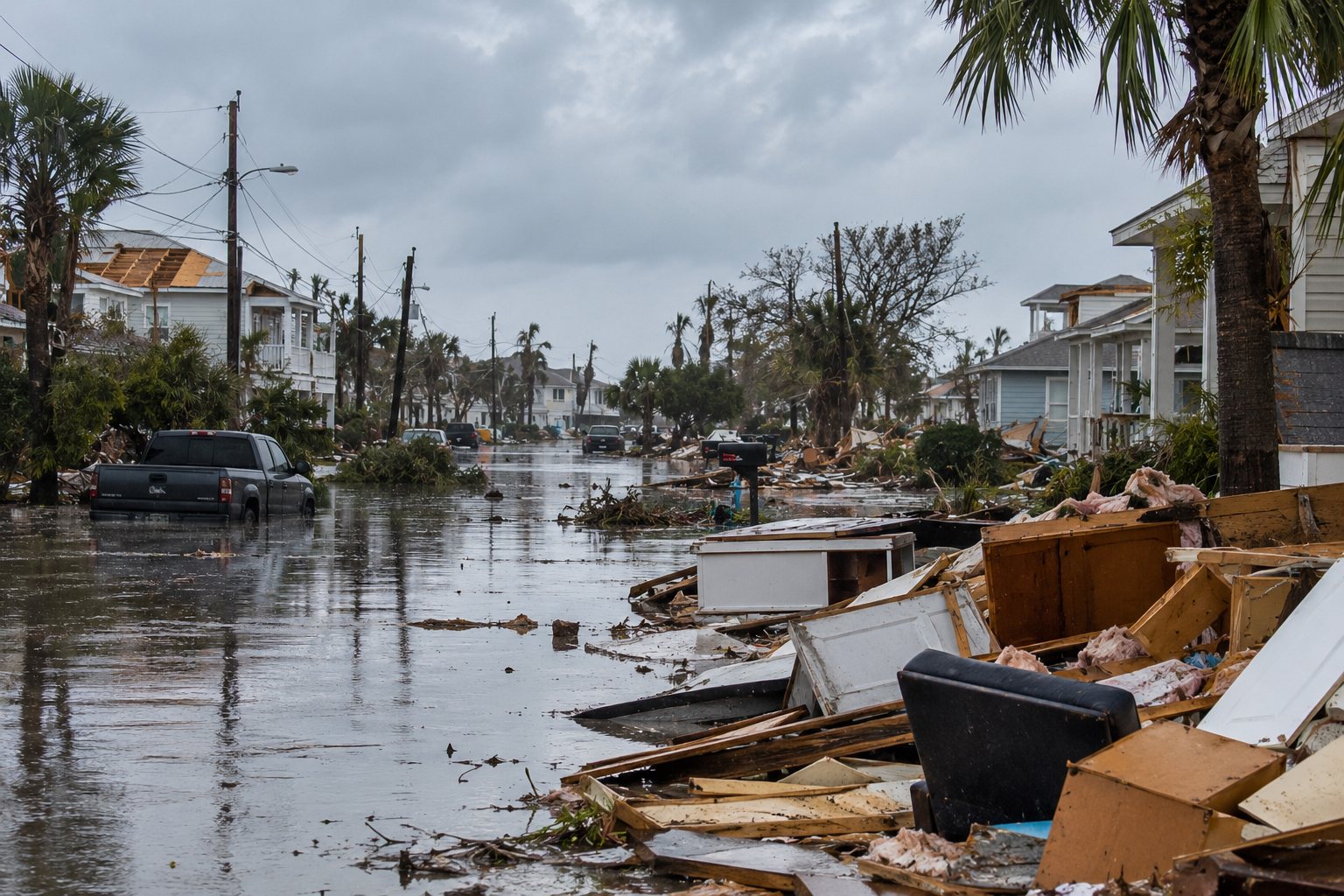
Major hurricanes, wildfires, and floods can cause billions of dollars in damage, overwhelming state and local budgets. Without substantial federal assistance, states could face difficult choices involving emergency spending, public services, and rebuilding efforts.
A Fundamental Shift in Federal Responsibility
President Donald Trump has repeatedly criticized FEMA and called for transferring greater disaster responsibility to state governments.
The latest announcement provides one of the clearest indications yet that his administration intends to follow through.
The consequences could extend well beyond state budgets. Communities with fewer financial resources may struggle to recover from catastrophic events, potentially leaving residents waiting longer for housing assistance, infrastructure repairs, and other recovery services.
Americans Could Ultimately Bear the Cost
Reducing federal disaster assistance would not eliminate the cost of natural disasters. It would shift more of that cost to state governments, local communities, businesses, and potentially taxpayers.
States might have to increase emergency reserves, redirect money from other programs, or seek additional revenue to cover expenses previously supported by FEMA.
For Americans who lose their homes or businesses in a disaster, the central question is whether their state will have enough resources to help them recover.
The administration has not yet announced specific program reductions or finalized a timetable. FEMA continues to provide federal disaster assistance under existing procedures.
But the message delivered to state officials is unmistakable: Washington wants states to prepare for a future with substantially less federal disaster support.