Joe Biden had won the presidential election. Major news organizations had projected his victory more than two weeks earlier. State election officials were confirming the results, and Donald Trump's legal challenges were repeatedly encountering setbacks.
Yet the outgoing president still refused to concede.
On November 23, 2020, the Trump administration finally authorized the formal presidential transition, ending a delay that had prevented Biden's team from receiving essential government resources and access to federal agencies.
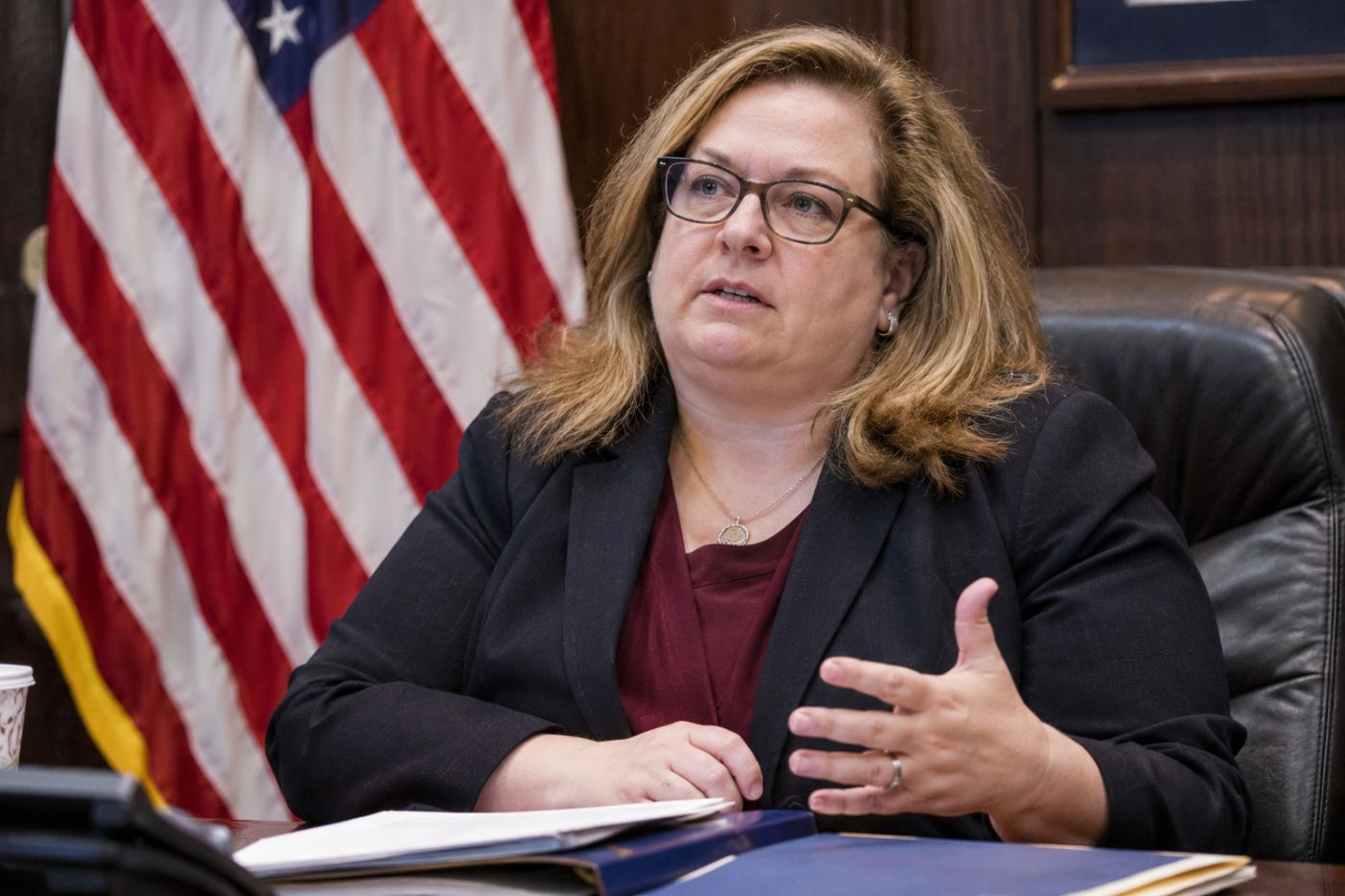
The decision came from Emily Murphy, Trump's appointed administrator of the General Services Administration (GSA).
It was a necessary step toward transferring presidential power, but Trump made clear that he was not abandoning his efforts to challenge the election results.
Sixteen Days of Delay
On November 7, major news organizations projected Biden as the winner of the presidential election.
Ordinarily, the GSA administrator identifies the apparent successful candidate and authorizes resources needed to prepare an incoming administration.
Those resources include federal funding, office space, government communications systems, and access to agency officials.
But Murphy declined to issue the required ascertainment letter while Trump contested the results.
For 16 days after Biden's projected victory, his transition team was unable to access the full range of federal resources normally available to an incoming president.
The delay occurred while the United States was confronting a worsening COVID-19 pandemic, an economic crisis, and continuing national security challenges.
Trump Refuses to Accept Defeat
Trump continued alleging that widespread election fraud had deprived him of victory.
His campaign filed lawsuits in several battleground states, challenged election procedures, and sought to delay certification of results.
But the allegations had not produced evidence establishing fraud sufficient to change the outcome.
On November 21, a federal judge dismissed the Trump campaign's lawsuit challenging Pennsylvania's election results.
Two days later, Michigan's bipartisan Board of State Canvassers certified Biden's victory.
The developments further weakened Trump's attempts to change the officially recognized results.
Still, Trump continued insisting that he had won.
Congress Demands Answers
The delayed transition prompted increasingly urgent criticism from lawmakers and national security officials.
Members of Congress warned that withholding transition resources could interfere with preparations for the incoming administration.
Senator Mark Warner, the ranking Democrat on the Senate Intelligence Committee, raised concerns about national security briefings and continuity of government.
Senator Patty Murray warned that delays could hamper preparations for responding to the coronavirus pandemic.
House committee leaders demanded explanations from Murphy and pressed the GSA to authorize the transition.
The concern extended beyond political disagreement.
An incoming administration needs time to identify personnel, review government operations, prepare policy decisions, and understand ongoing national security threats.
Delaying those preparations could leave the new administration less prepared when it assumes responsibility.
Murphy Finally Authorizes the Transition
On November 23, Murphy sent Biden a formal letter making transition resources available.
She explained that recent developments involving election certifications and legal challenges had informed her decision.
Murphy insisted that she had acted independently and had not been directed by the White House to delay her determination.
She also described receiving threats against herself, her family, her staff, and even her pets.
The threats were unacceptable regardless of the political controversy surrounding her decision.
Murphy maintained that the Presidential Transition Act provided insufficient guidance for determining the apparent winner during a disputed election.
Her letter nevertheless authorized the formal transition process to begin.
Trump Allows the Process but Refuses to Concede
Shortly after Murphy's decision became public, Trump announced that he supported beginning the initial transition procedures.
He thanked Murphy for her service and said he had recommended that her agency proceed.
But he simultaneously insisted that his election challenges would continue.
The contradiction was unmistakable.
Trump's administration was allowing Biden's transition to begin while Trump continued publicly disputing Biden's victory.
The announcement was not a concession.
It was an acknowledgment that the government would finally provide the resources needed to prepare for the next administration.
The Pandemic Made the Delay More Serious
The transition controversy unfolded during one of the deadliest periods of the COVID-19 pandemic.
By November 2020, more than 250,000 Americans had died from the disease.
Coronavirus infections were surging, hospitals were under pressure, and federal officials were preparing for the distribution of newly developed vaccines.
Biden's incoming administration needed information about vaccine distribution plans, federal health programs, emergency preparedness, and coordination among government agencies.
The delayed transition limited the incoming team's ability to obtain that information through formal government channels.
Public health experts and Democratic lawmakers warned that lost preparation time could complicate the pandemic response.
The eventual authorization allowed Biden's transition officials to begin coordinating with federal agencies on these and other urgent matters.
A Transition That Should Have Been Routine
Murphy's decision resolved an important administrative obstacle, but it did not end Trump's attempts to challenge the election.
His campaign continued pursuing legal cases and promoting allegations of widespread fraud.
The distinction matters.
The GSA administrator did not decide who won the presidential election. Voters, state election processes, and the Electoral College determined the outcome.
Her responsibility was to authorize resources for the apparent incoming administration.
Critics argued that the 16-day delay unnecessarily complicated preparations for the transfer of power.
Murphy maintained that she had acted according to her understanding of the law and the available election information.
November 23: The Transition Finally Begins
On November 23, 2020, the federal government finally took a major step toward recognizing the practical reality of Biden's election victory.
The decision followed weeks of legal challenges, political pressure, and warnings about the consequences of delaying preparations for a new administration.
Trump continued contesting the election, but his administration could no longer indefinitely postpone the formal transition without facing mounting institutional and public scrutiny.
The episode became an important chapter in the history of the 2020 election aftermath.
It demonstrated how a routine administrative process could become entangled in a president's refusal to acknowledge an electoral defeat.
And it raised lasting questions about whether America's presidential transition procedures provided sufficient protection against future delays.