Early on a Saturday morning, President Donald Trump used Twitter to make an extraordinary accusation against his predecessor.
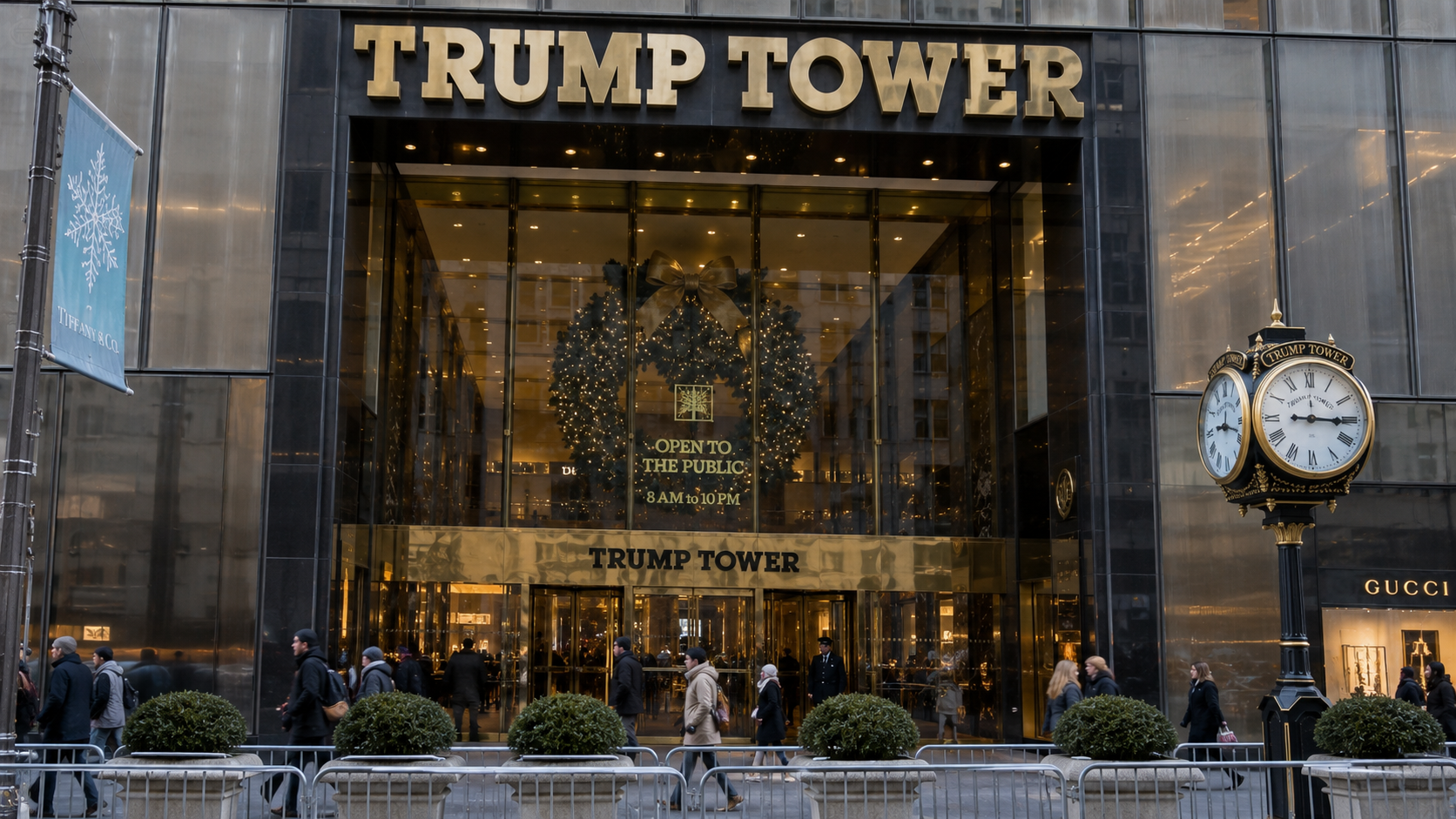
Trump claimed that former President Barack Obama had ordered his phones wiretapped at Trump Tower before the 2016 election.
He compared the alleged surveillance to Watergate and McCarthyism and personally attacked Obama.
There was one enormous problem:
Trump presented no evidence that Obama had done what he accused him of doing.
And when the director of the FBI was eventually questioned publicly about the allegation, his answer was unequivocal: the FBI had no information supporting Trump's tweets.
The President Makes an Explosive Accusation
Trump began posting about the alleged surveillance on the morning of March 4.
“Terrible!” he wrote, claiming he had just learned that Obama had his “wires tapped” in Trump Tower before Trump's election victory.
Trump followed with additional posts and escalated the accusation, asking how low Obama had supposedly gone by tapping his phones during the election.
He compared the situation to “Nixon/Watergate” and called Obama a “Bad (or sick) guy!”
These weren't vague complaints about government surveillance.
The sitting president of the United States was publicly accusing the former president of improperly directing surveillance against him during a presidential election.
Trump offered no documentation establishing that Obama had ordered such a wiretap.
The White House Stands Behind the Claim
Rather than quickly retracting or correcting Trump's accusation, the White House continued to defend it.
The controversy grew as members of Congress and intelligence officials were asked whether there was evidence supporting what the president had said.
Congressional leaders from both parties said they had not seen evidence establishing Trump's claim.
Republican House Speaker Paul Ryan said no evidence had been seen supporting it.
Republican House Intelligence Committee Chairman Devin Nunes similarly said that if Trump's tweets were interpreted literally, “clearly the President was wrong.”
Senate Intelligence Committee Chairman Richard Burr, a Republican, and ranking Democrat Mark Warner issued a joint statement saying the information available to their committee showed no indication that Trump Tower had been subjected to U.S. government surveillance either before or after Election Day.
The accusation was becoming increasingly difficult for the White House to sustain.
Then the FBI Director Testified
On March 20, FBI Director James Comey appeared before the House Intelligence Committee.
Representative Adam Schiff asked him directly whether Trump's allegation that Obama had wiretapped him at Trump Tower was true.
Comey's response left little ambiguity.
“With respect to the president's tweets about alleged wiretapping directed at him by the prior administration, I have no information that supports those tweets,” Comey testified.
He added that the FBI had looked carefully.
Comey also told Congress that the Justice Department had authorized him to say that its answer was the same:
The department had no information supporting Trump's tweets.
Comey was also asked whether a president could simply order such surveillance unilaterally.
His answer was no.
Surveillance Is Not Something a President Simply Orders
Trump's allegation also created confusion about how federal surveillance works.
A president cannot simply decide that a political opponent's telephone should be wiretapped and order investigators to do it.
Electronic surveillance conducted for foreign-intelligence purposes inside the United States operates under a legal framework involving the Foreign Intelligence Surveillance Act and, where required, judicial authorization.
There were legitimate and complicated questions surrounding surveillance and intelligence collection connected to Russia and people associated with Trump's campaign.
But those questions were not evidence that Barack Obama personally ordered Trump's phones tapped.
That distinction became increasingly important as the administration and its supporters broadened the discussion from Trump's specific accusation to wider questions about surveillance.
A Serious Accusation Without Supporting Evidence
Presidents possess an enormous ability to command public attention.
A presidential accusation can dominate television coverage, congressional hearings and public debate within minutes.
That makes the evidentiary standard particularly important when a president accuses a predecessor of abusing the government's surveillance powers for political purposes.
Trump's March 4 accusation wasn't presented as speculation.
He publicly stated that Obama had tapped his phones and compared the alleged conduct to one of the most infamous political scandals in American history.
Yet when the FBI director appeared before Congress 16 days later, he said his agency had no information supporting it.
Neither did the Justice Department, according to Comey's testimony.
Trump had made an extraordinary accusation against a former president.
The country's principal federal law-enforcement agency had examined it.
And the evidence needed to substantiate the allegation wasn't there.