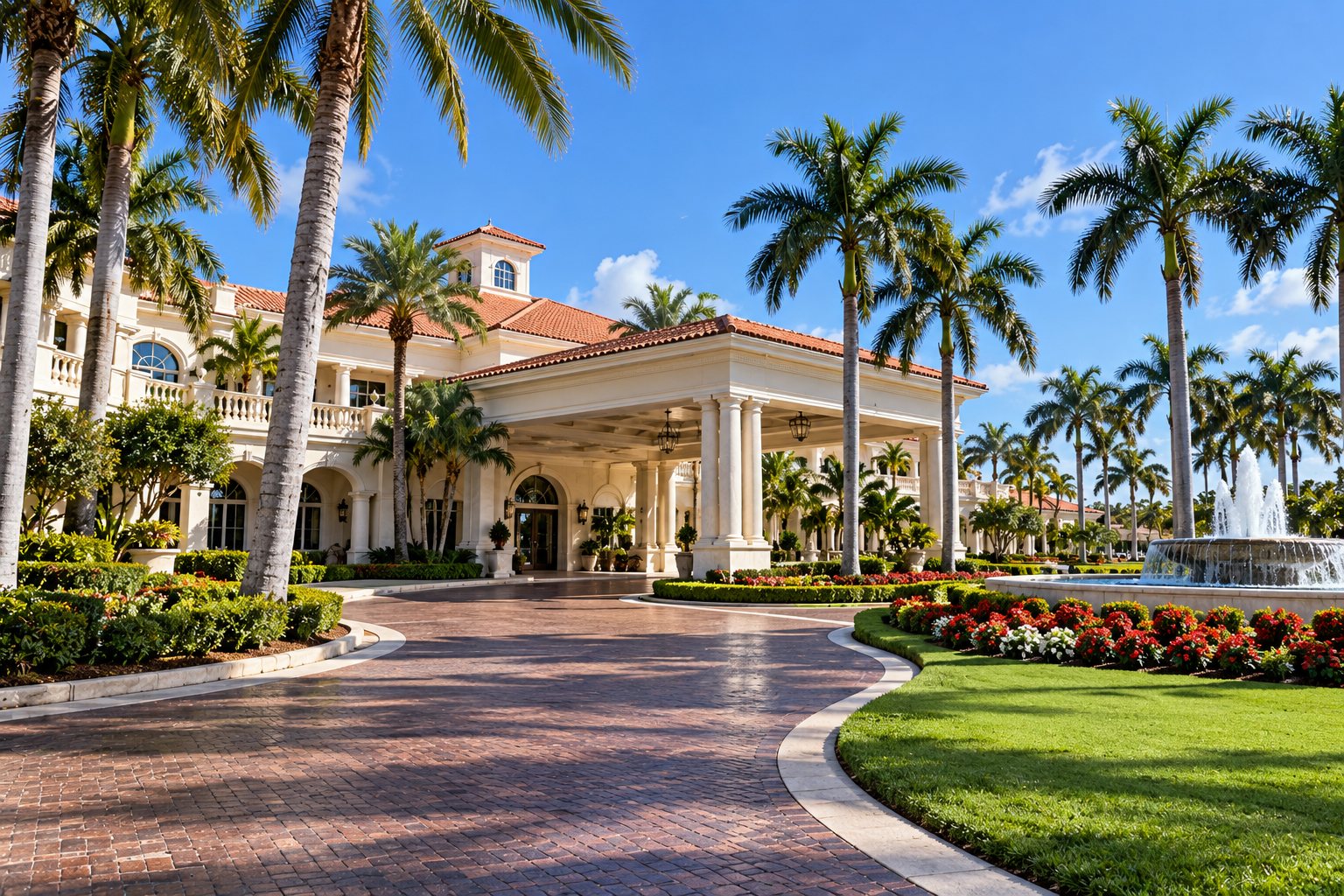
President Donald Trump has abruptly abandoned plans to host next year's Group of Seven summit at his privately owned golf resort in Florida, following widespread criticism that the arrangement could allow him to profit financially from his presidency.
The reversal comes just two days after acting White House Chief of Staff Mick Mulvaney announced that the June 2020 gathering of world leaders would take place at Trump National Doral, a luxury golf resort near Miami owned by the president's family business.
The announcement immediately triggered accusations of self-dealing, with Democrats, ethics watchdogs, and even some Republicans questioning why the president would select his own property for a major international diplomatic event.
A Government Event at Trump's Private Business
The G7 summit brings together leaders from seven major industrialized democracies, along with hundreds of diplomats, security personnel, government officials, and journalists.
Hosting the event at Doral would bring international attention and potentially substantial business to a resort that has reportedly struggled financially.
Mulvaney defended the selection Thursday, claiming the White House had examined approximately a dozen potential locations and determined that Doral offered the best accommodations.
He insisted the resort would host the summit at cost, without generating a profit for the president.
But critics argued that even without a direct profit, the event would provide enormous promotional value to Trump's business.
Constitutional Questions
The decision also raised concerns about the Constitution's Emoluments Clauses, which restrict certain financial benefits that federal officials may receive from foreign governments and the federal government.
House Judiciary Committee Chairman Jerry Nadler described the arrangement as an extraordinary example of presidential self-dealing and suggested Congress would investigate.
House Speaker Nancy Pelosi also questioned whether foreign governments spending money at a presidential property would violate constitutional restrictions.
Trump has maintained ownership of his business empire while serving as president, placing his financial interests under continued scrutiny.
Republicans Join the Criticism
Although Trump blamed Democrats and the news media for the controversy, opposition was not limited to his political opponents.
Several Republican lawmakers expressed concern that the decision created an unnecessary conflict of interest and another political distraction.
The president is already facing a House impeachment inquiry over his dealings with Ukraine, while his decision to withdraw American troops from northern Syria has generated criticism from both parties.
According to reporting by The Washington Post, Republican allies warned Trump that defending the Doral decision would become increasingly difficult.
Trump Reverses Course
Late Saturday, Trump announced on Twitter that his administration would no longer consider Doral for the summit.
He blamed what he characterized as hostility from Democrats and the media, insisting that he had intended to provide an excellent venue without making a profit.
The administration will now search for another location, with the presidential retreat at Camp David among the possibilities.
Appearing on Fox News Sunday, Mulvaney acknowledged that Trump had been surprised by the intensity of the opposition.
Mulvaney also explained that Trump still considers himself part of the hospitality business, despite occupying the White House.
That explanation is unlikely to resolve concerns about the relationship between the president's public responsibilities and his private commercial interests.
The Larger Question Remains
The cancellation removes the immediate possibility of world leaders gathering at a resort owned by the sitting president.
But it does not settle the broader controversy surrounding Trump's decision to retain ownership of his businesses while serving in public office.
Foreign governments, political organizations, and federal agencies have already faced scrutiny over spending at Trump-owned properties.
For critics, the Doral controversy illustrates the potential conflicts that arise when a president's private business interests overlap with official government decisions.
The summit will be held somewhere else. The questions about the president's financial interests remain.