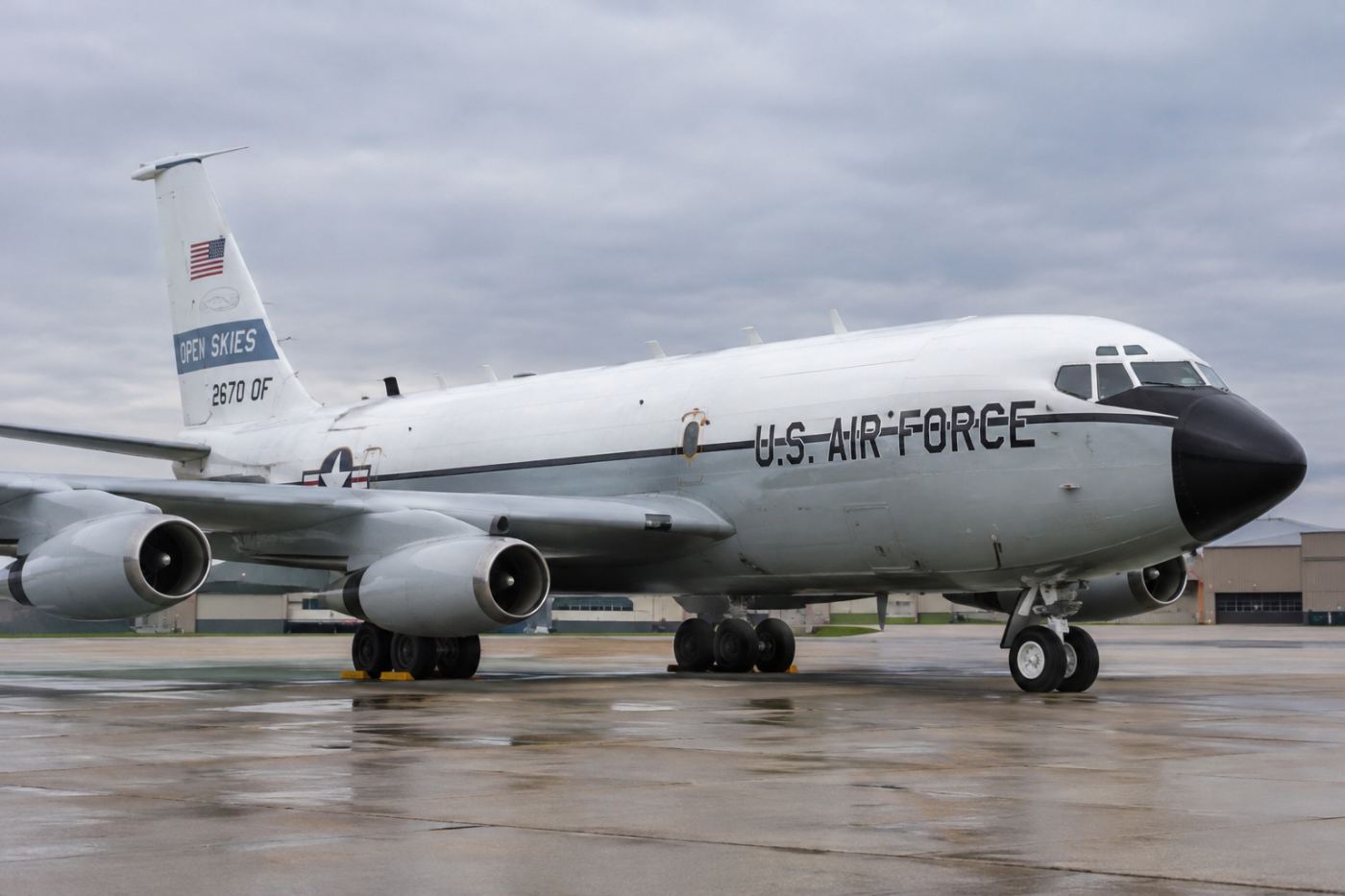
Trump Abandons Major Arms-Control Treaty, Ignoring European Allies' Warnings About Russia
November 22, 2020 — Washington, D.C.
With less than two months remaining in his presidency, Donald Trump formally withdrew the United States from one of the international agreements designed to reduce military tensions between Russia and the West.
On November 22, 2020, America's withdrawal from the Open Skies Treaty became official, ending nearly two decades of American participation in an agreement allowing countries to conduct observation flights over one another's territory.
The Trump administration argued that Russia had repeatedly violated the agreement.
But European allies warned that abandoning the treaty could weaken military transparency, undermine international cooperation, and eliminate a valuable mechanism for monitoring Russian military activity.
An Agreement Designed to Prevent Conflict
The Open Skies Treaty was signed in 1992 and entered into force in 2002.
It allowed participating countries to conduct unarmed aerial observation missions over one another's territories using specially equipped aircraft.
The purpose was to increase transparency about military forces, installations, and activities.
Rather than relying exclusively on intelligence satellites and classified surveillance, participating countries could collect information through internationally regulated observation flights.
Before the American withdrawal, the treaty had 34 participating nations, including the United States, Russia, and numerous European countries.
More than 1,500 observation flights had been conducted by October 2019.
The agreement was intended to reduce misunderstandings and help governments assess potential military threats.
Trump Decides to Walk Away
In May 2020, the Trump administration announced that the United States would withdraw from the treaty in six months.
Secretary of State Mike Pompeo accused Russia of violating its obligations by restricting observation flights over sensitive areas.
Among the administration's complaints were Russian limitations on flights over Kaliningrad and restrictions near Russian-controlled separatist regions of Georgia.
These concerns were not invented.
American officials and NATO allies had documented Russian compliance problems for years.
But the central disagreement concerned how the United States should respond.
Trump's administration concluded that remaining in the agreement was no longer in America's national security interest.
Several European governments argued that preserving the treaty while pressing Russia to comply would better serve their security interests.
America's Allies Wanted the Treaty Preserved
European allies expressed concern when Trump announced the withdrawal.
Eleven European countries, including Germany, France, Italy, and Sweden, issued a joint statement regretting the American decision.
They emphasized that the treaty remained valuable for European security and military transparency.
German officials also argued that Russian violations, while serious, did not justify abandoning the agreement.
NATO acknowledged Russia's compliance failures while reaffirming the importance of international arms-control arrangements.
The disagreement exposed a significant division between Washington and European governments over how to address Russian behavior.
The United States was leaving an agreement that several of its closest allies wanted to preserve.
Biden Opposes the Withdrawal
President-elect Joe Biden had criticized Trump's decision when it was announced in May.
Biden argued that the treaty provided useful information about Russian military activities and strengthened cooperation between the United States and its allies.
He warned that withdrawing would diminish American leadership and weaken an important security arrangement.
By November 22, Biden had won the presidential election, although Trump continued challenging the results.
The withdrawal nevertheless proceeded according to the six-month notification schedule established earlier that year.
The State Department confirmed that the United States was no longer a party to the agreement.
Congress Raises Legal Concerns
The decision also faced criticism on Capitol Hill.
Democratic Senator Bob Menendez, the ranking member of the Senate Foreign Relations Committee, argued that the withdrawal undermined American and allied security.
He also questioned whether the administration had complied with congressional notification requirements established in the 2020 National Defense Authorization Act.
The Trump administration disputed the suggestion that its withdrawal was unlawful.
The Justice Department maintained that the president possessed constitutional authority to withdraw from the treaty.
The dispute added another dimension to the controversy: whether the administration had adequately respected Congress's role in overseeing major national security decisions.
What America Lost
Withdrawal meant the United States could no longer conduct observation flights under the treaty or receive information shared through its formal mechanisms.
American intelligence satellites and other surveillance capabilities remained available.
But critics argued that satellite intelligence was not a complete substitute for the transparency and cooperation provided by the agreement.
The treaty also offered European allies opportunities to gather information and coordinate security assessments.
Supporters of withdrawal countered that Russian restrictions had undermined the agreement's effectiveness and that continuing participation could reward noncompliance.
Both sides acknowledged the underlying problem of Russian violations.
They disagreed over whether withdrawal would improve American security or weaken an existing tool for managing military tensions.
Another International Agreement Ends Under Trump
The Open Skies withdrawal followed other major arms-control decisions during Trump's presidency, including the American withdrawal from the Intermediate-Range Nuclear Forces Treaty in 2019, which the administration also attributed to Russian violations.
The administration maintained that agreements were only useful when participating countries honored their commitments.
Critics argued that repeatedly abandoning international agreements reduced American influence and weakened cooperation with allies.
Russia subsequently began its own withdrawal process in 2021, further diminishing the treaty's original framework.
November 22: A Turning Point in Arms Control
On November 22, 2020, the United States officially ended its participation in an agreement designed to make military activity more transparent and reduce the risk of conflict.
Trump's administration presented the withdrawal as a necessary response to Russian violations.
European allies and congressional critics warned that the decision could weaken collective security and remove an important mechanism for monitoring military developments.
The episode illustrated a recurring dispute over Trump's foreign policy: whether withdrawing from international agreements strengthened American independence or sacrificed diplomatic and security benefits that could not easily be replaced.
On November 22, the decision was no longer a proposal.
The United States was officially out of the Open Skies Treaty.