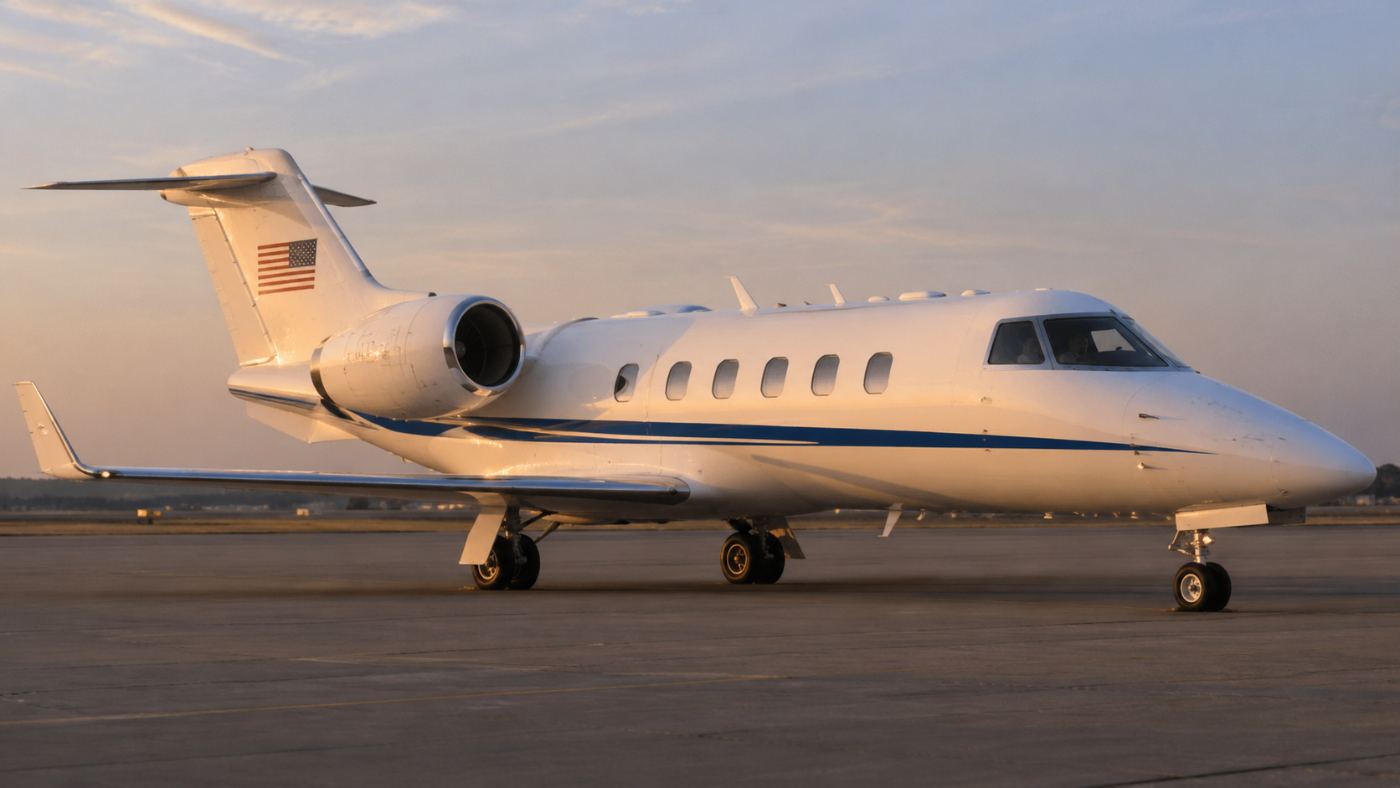
As thousands of Americans struggled through canceled flights, overcrowded airports, and travel delays following a nationwide Federal Aviation Administration shutdown, Homeland Security Secretary Markwayne Mullin was headed to a college football game aboard a government aircraft.
According to a November 17 report by the New York Post, Mullin traveled from Washington to Baton Rouge, Louisiana, on Saturday, November 14, to watch the University of Texas face Louisiana State University.
The timing raised questions about the judgment and priorities of a senior Trump administration official during one of the country's most disruptive aviation emergencies in years.
A Nationwide Aviation Crisis
On Friday, November 13, a major communications failure forced the FAA to halt departing flights nationwide for approximately five hours.
The shutdown disrupted air traffic across the country, leaving airlines scrambling to reposition aircraft and crews.
By Saturday, nearly 7,000 flights had reportedly been canceled and approximately 8,000 delayed, according to figures cited by the New York Post.
Some passengers faced delays stretching into multiple days.
Transportation Secretary Sean Duffy attributed the shutdown to problems involving aging communications infrastructure and newly installed networking equipment.
Mullin himself appeared at the White House on Friday to address the emergency.
Less than 24 hours after airspace reopened, he was traveling to Louisiana for football.
A Government Jet and a Private Luxury Box
Mullin attended the Texas-LSU game at Tiger Stadium, where he reportedly watched from the private suite of Ben Bordelon, president and CEO of Bollinger Shipyards.
That detail introduces another question.
Bollinger Shipyards holds substantial federal contracts, including a reported $2.2 billion Coast Guard contract awarded in July for four Arctic icebreakers.
The Coast Guard operates under the Department of Homeland Security, which Mullin leads.
The relationship does not establish wrongdoing, but the combination of a Cabinet secretary, a major departmental contractor, and hospitality at a sporting event raises legitimate questions about transparency and potential conflicts of interest.
DHS Defends the Trip
The Department of Homeland Security defended Mullin's travel arrangements.
A spokesperson told the New York Post that Mullin must use government aircraft because of security and continuity-of-government requirements.
The department also stated that Mullin personally pays for flights unrelated to his official duties.
According to the report, Mullin paid fair market value for his football tickets.
A government source said his aircraft departed nearly 24 hours after the FAA reopened American airspace and received no special exception to the grounding order.
Those details matter. There is no evidence in the reporting that Mullin's flight violated the FAA restrictions or that taxpayers paid for his personal trip.
However, questions remain about the precise reimbursement arrangements, the cost of the flight, and the circumstances surrounding his attendance in a federal contractor's private suite.
Two Very Different Travel Experiences
The contrast was difficult to ignore.
While ordinary Americans waited in airport terminals, missed connections, and struggled to rearrange travel plans, a senior administration official was able to attend a major sporting event using government aviation resources.
The FAA shutdown exposed serious vulnerabilities in the nation's air traffic control infrastructure.
The government has spent years attempting to modernize those systems, yet a networking failure was enough to bring commercial departures across the country to a standstill.
For affected travelers, the consequences were immediate and personal.
For Mullin, the disruption apparently did not prevent a Saturday night at Tiger Stadium.
Questions That Deserve Answers
The controversy is not simply whether Mullin was legally permitted to fly on a government aircraft.
It is also about public accountability during a national transportation emergency.
What did the trip cost? How was reimbursement calculated? Were all expenses associated with the visit covered? And what, if any, ethics review applied to his attendance in the suite of a company holding billions in contracts with his department?
The available reporting does not establish misconduct. But the circumstances warrant clear answers.
For Americans stranded by the aviation shutdown, the episode illustrates a familiar concern about Washington: the people responsible for overseeing government systems can experience the consequences of those systems very differently from the public they serve.