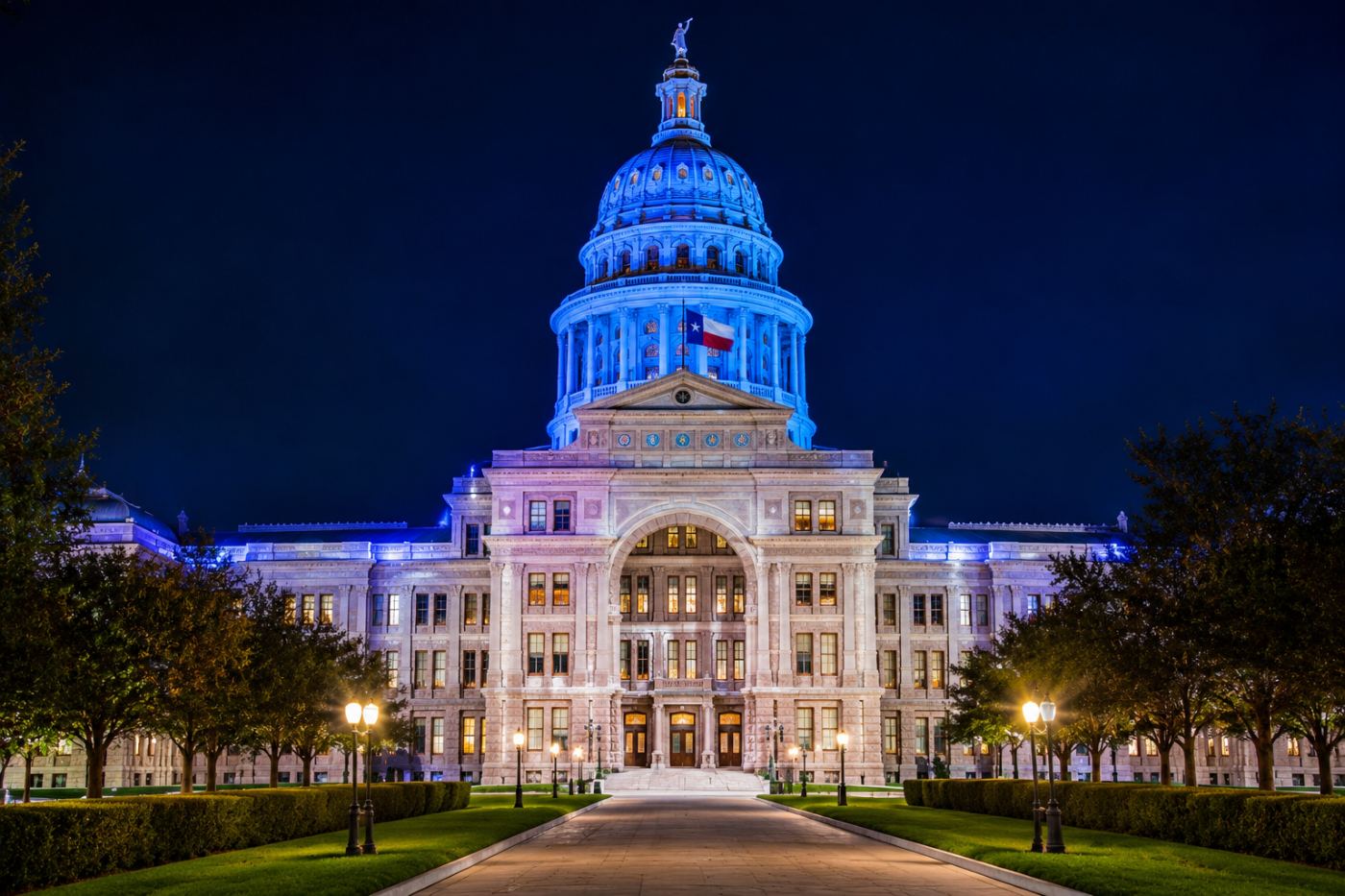
For decades, Texas was the Republican Party's fortress, a state where conservative dominance seemed practically guaranteed.
On November 3, 2026, that political certainty collapsed.
Democrats swept Texas's statewide elections, defeating Republican incumbents and delivering one of the most consequential electoral reversals of Donald Trump's presidency.
The results marked a dramatic change in a state where Republicans had maintained unified control of government since 2003.
Trump's Senate Pick Goes Down
One of the election's most significant defeats involved Republican Ken Paxton, who lost the U.S. Senate race to Democrat James Talarico.
Paxton entered the general election carrying years of controversy, including his 2023 impeachment by the Republican-controlled Texas House and allegations of corruption.
Trump had endorsed Paxton over longtime Republican Senator John Cornyn during the primary.
That endorsement helped elevate a candidate whose political baggage became a central issue in the general election.
Talarico, a state representative and Presbyterian seminarian, campaigned on an alternative message emphasizing unity, economic concerns, and public service.
He defeated Paxton by more than one million votes.
Democrats Capture the Governor's Mansion
Republican Governor Greg Abbott also suffered a major defeat, losing to Democrat Gina Hinojosa.
Abbott had become one of the country's most recognizable Republican governors, championing strict immigration enforcement, conservative social policies, and an increasingly confrontational relationship with Democratic leaders.
Hinojosa challenged his record on affordability, public services, and the influence of powerful technology interests.
Her victory ended Republican control of the governor's office and demonstrated that even established incumbents were vulnerable to the broader electoral backlash.
The Problems Extended Beyond Texas
The Texas results unfolded during a national election in which Democrats made substantial gains.
Trump's tariffs, the war in Iran, rising living costs, and controversial immigration policies became prominent campaign issues.
In Texas, concerns about technology companies and the expansion of data centers added another dimension to the political debate.
Democrats also invested in outreach to communities that Republican candidates had previously competed to win.
The combination of national dissatisfaction, local issues, and candidate-specific controversies contributed to the Republican defeats.
No single explanation accounts for every result.
Even the Conservative Courts Shifted
The Democratic victories extended to the Texas Supreme Court.
Democrats won all four seats contested in the election, changing the court's composition from nine Republican justices to a five-to-four Republican majority.
Democrats also made gains in the state legislature, although Republicans retained control of the Senate.
The results represented a significant reduction in Republican political dominance, not the elimination of Republican influence.
A Warning for the Republican Party
Texas had long provided Republicans with a dependable foundation for national elections.
Its large population, substantial electoral vote allocation, and conservative political institutions made the state central to Republican presidential strategies.
The 2026 results now raise questions about the durability of that advantage.
Republicans still have opportunities to rebuild support, and one midterm election cannot establish how Texas will vote in 2028.
But the defeat of Trump-backed candidates, the loss of the governor's office, and the statewide Democratic sweep have fundamentally changed the political conversation.
For a president who built his movement around winning, Texas delivered a particularly consequential rejection.
The Republican Party must now confront a reality that once seemed almost unimaginable: even its most dependable political strongholds can change hands.