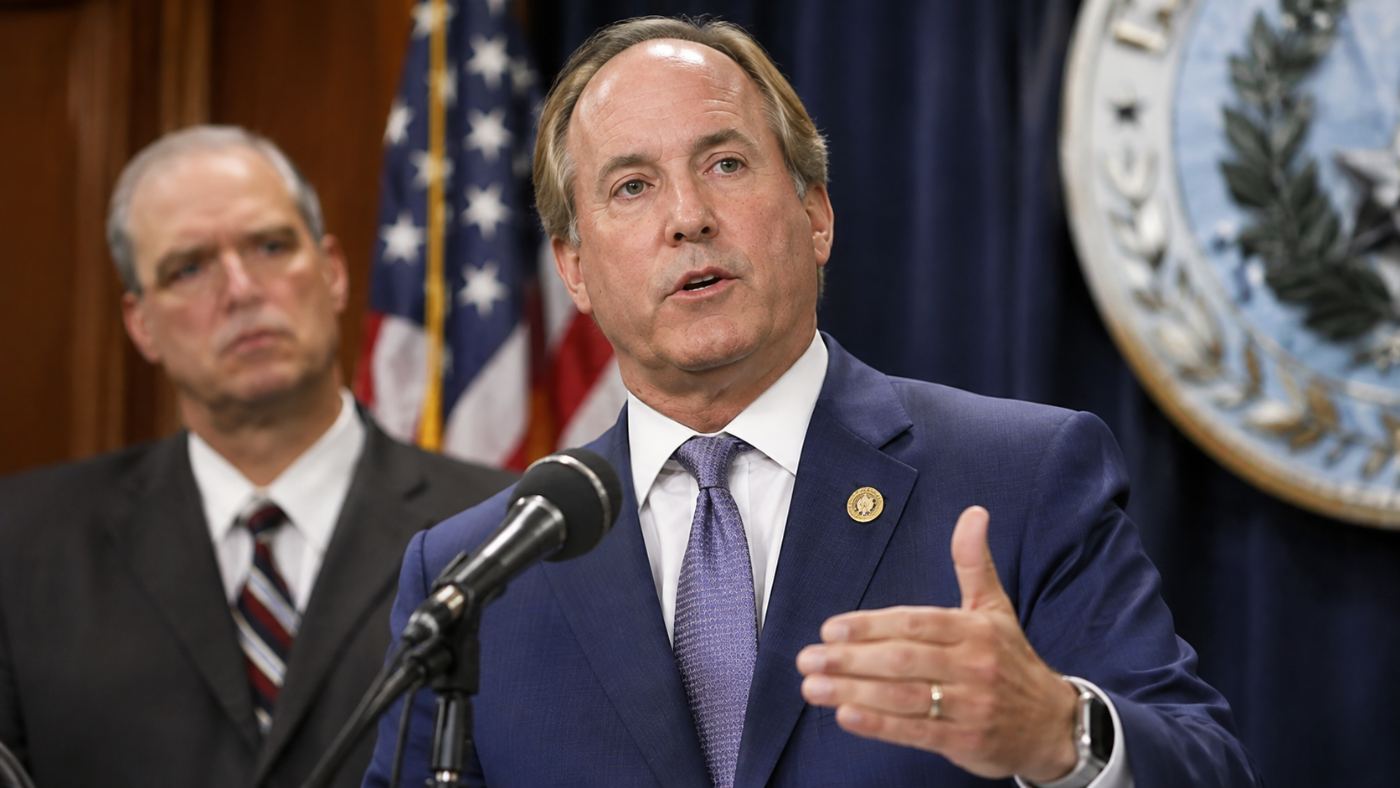
On December 8, 2020, Texas Attorney General Ken Paxton launched an extraordinary Supreme Court challenge seeking to invalidate presidential election results in four states Donald Trump had lost.
The lawsuit targeted Georgia, Michigan, Pennsylvania, and Wisconsin, all of which had certified victories for Joe Biden.
Rather than challenging the election results in Texas, Paxton asked the nation's highest court to intervene in how four other states conducted their elections.
The case represented a major escalation in Republican efforts to reverse Trump's defeat, despite election officials finding no evidence of widespread fraud capable of changing the outcome.
Four States, Millions of Votes at Stake
Paxton argued that the four battleground states had improperly changed election procedures during the COVID-19 pandemic.
His lawsuit claimed that modifications involving mail-in ballots and election administration violated constitutional requirements.
Texas sought to prevent the states from casting their certified electoral votes and asked the Supreme Court to delay the December 14 Electoral College proceedings.
The requested intervention could have allowed state legislatures to replace electors pledged to Biden.
Together, the four states represented 62 electoral votes.
Biden had secured 306 electoral votes nationwide, compared with Trump's 232.
Invalidating those states' results would have deprived Biden of his Electoral College majority, potentially creating an opportunity for Republicans to pursue an alternative outcome.
Election Officials Reject the Allegations
Officials in the targeted states strongly disputed Texas's claims.
Georgia had already completed multiple counts of its presidential ballots, repeatedly confirming Biden's victory.
Michigan, Pennsylvania, and Wisconsin had also certified their results.
Georgia Deputy Secretary of State Jordan Fuchs called the lawsuit's allegations false and irresponsible, pointing out that Texas had offered no specific evidence supporting its claims of tens of thousands of forged absentee-ballot signatures.
Michigan Attorney General Dana Nessel dismissed the case as a publicity stunt rather than a serious legal challenge.
Legal experts questioned whether Texas had standing to challenge another state's election procedures.
The dispute raised a fundamental constitutional issue: whether one state could use the Supreme Court to interfere with another state's certified presidential election.
Trump Embraces the Lawsuit
Although Paxton initiated the case, Trump quickly embraced it.
On December 9, the president announced that his campaign would seek to intervene.
Trump described the Texas lawsuit as "the big one," signaling his hopes that it could provide a new path to overturn the election.
The case subsequently attracted support from numerous Republican officials, including 126 Republican members of the House of Representatives.
Their involvement demonstrated how Trump's refusal to accept the election results had become a significant political issue within the Republican Party.
The Supreme Court Rejects Texas
On December 11, the Supreme Court rejected Texas's request.
The justices concluded that Texas lacked standing because it had not demonstrated a legally recognizable interest in how other states administered their elections.
The Court did not conduct a trial on the underlying fraud allegations.
Instead, it refused to allow Texas to pursue the challenge.
The decision left the certified election results intact.
Even with three Trump-appointed justices on the Supreme Court, the president's allies had failed to secure the extraordinary judicial intervention they sought.
A Constitutional Confrontation
The Texas lawsuit illustrated how far some Republican officials were prepared to go in challenging the 2020 presidential election.
Rather than accepting certified results or limiting disputes to their own jurisdictions, they sought federal intervention that could have displaced the electoral choices of millions of Americans in other states.
Supporters maintained that the lawsuit raised legitimate constitutional questions about election procedures.
Opponents argued that its requested remedies threatened state sovereignty and the integrity of certified elections.
December 8, 2020, marked an escalation in the effort to overturn Trump's defeat: a Republican attorney general asked the Supreme Court to intervene in four other states' elections, placing millions of voters' choices at the center of a national constitutional dispute.