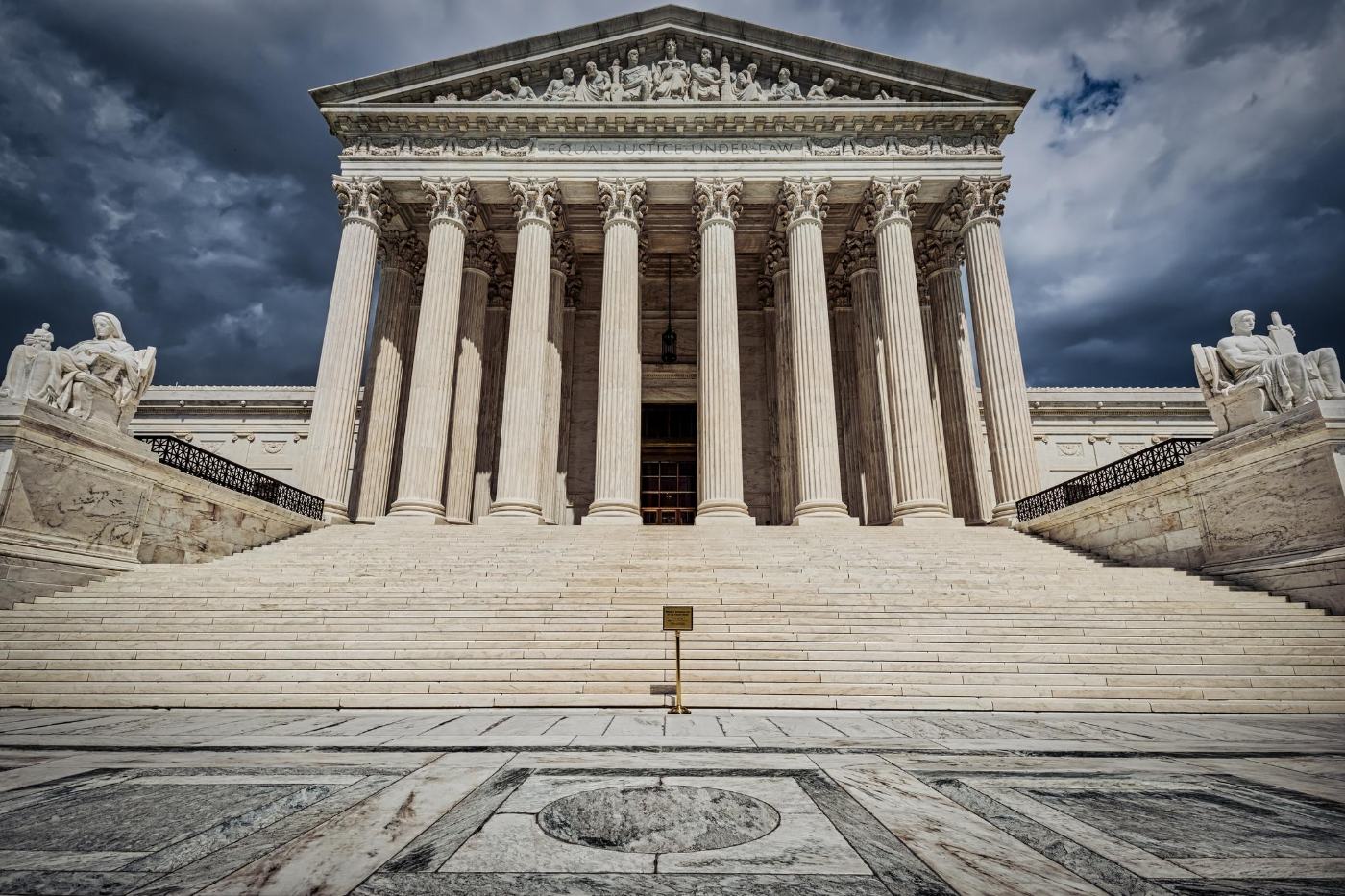
On the eve of the 2026 midterm elections, President Donald Trump's administration suffered a significant legal defeat when the United States Supreme Court rejected an emergency request to prevent California from counting ballots associated with more than 20,000 registered voters.
The extraordinary request, filed just hours before the nation's final day of voting, represented the administration's latest attempt to intervene in state election procedures based on allegations of widespread noncitizen voting.
The Supreme Court rejected the request Monday without explanation. No justice publicly dissented.
A Last-Minute Attempt to Intervene
The Justice Department argued that approximately 20,000 individuals appearing on California voter rolls were likely noncitizens and that their mail-in ballots should be separated from legitimate ballots until their eligibility could be verified.
Federal officials maintained that once the disputed ballots were mixed with other votes, identifying and removing them would become impossible.
California election officials challenged the administration's claims, warning that the federal government's list contained significant inaccuracies and that complying with its demands could prevent eligible American citizens from having their votes counted.
The administration had not established that all 20,000 individuals were ineligible voters.
Federal Courts Reject the Administration's Arguments
Before reaching the Supreme Court, the administration encountered repeated defeats in federal court.
U.S. District Judge David O. Carter ruled that the federal government's demands were likely unconstitutional, emphasizing that election administration authority rests primarily with states and Congress rather than the executive branch.
The Ninth Circuit Court of Appeals subsequently rejected the administration's arguments.
In a 2-1 decision, the appellate panel concluded that federal prosecutors could not use existing statutes to impose new ballot-processing requirements on California immediately before an election.
Notably, the majority included Judge Mark Bennett, appointed by Trump, alongside Judge Gabriel Sanchez, appointed by President Joe Biden.
Dissenting Judge Patrick Bumatay, another Trump appointee, argued that temporarily separating disputed ballots was a reasonable safeguard that would permit eligibility verification without automatically discarding votes.
Trump's Broader Claims Face Scrutiny
The legal confrontation unfolded against the backdrop of Trump's repeated allegations that large numbers of noncitizens participate illegally in American elections.
Election officials and independent researchers have consistently found that noncitizen voting is rare.
California officials also questioned the reliability of the federal government's identification methods, pointing to apparent errors involving individuals who were citizens, unregistered, or had never voted.
Although federal prosecutors have pursued individual cases involving alleged unlawful voting, those prosecutions do not establish the widespread fraud described by Trump.
A Constitutional Confrontation
The dispute raised fundamental questions about presidential authority over American elections.
The Constitution's Elections Clause assigns responsibility for congressional election procedures to state legislatures, subject to changes enacted by Congress.
The administration argued that its intervention was necessary to enforce federal voting laws. California maintained that the executive branch was attempting to impose unauthorized changes during an election already underway.
The Supreme Court's refusal to intervene left California's existing ballot-counting procedures in place.
For an administration that has repeatedly challenged the integrity of American elections, the decision marked another judicial setback.
As Americans headed to the polls Tuesday, the central issue extended beyond 20,000 disputed registrations: whether a president could compel states to change election procedures at the last moment without congressional authorization or sufficient judicial justification.