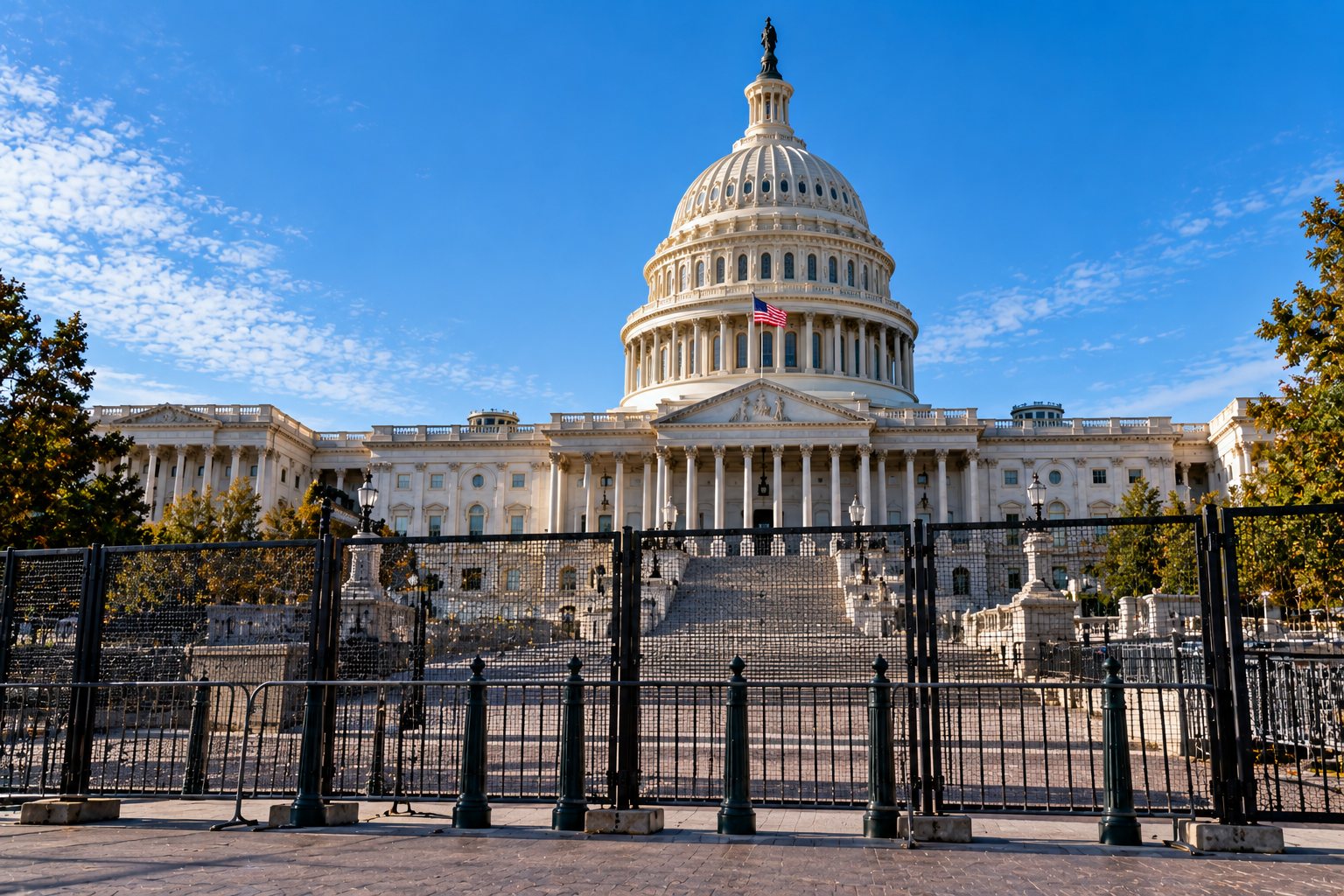
Former Trump adviser Steve Bannon is facing the possibility of criminal contempt charges after refusing to cooperate with the congressional investigation into the January 6 attack on the U.S. Capitol.
The House select committee investigating the attack voted unanimously Tuesday evening to recommend holding Bannon in contempt of Congress after he refused to provide documents or appear for a scheduled deposition.
The full House is expected to vote Thursday on whether to refer the matter to the Justice Department for possible criminal prosecution.
The confrontation represents a significant test of Congress's authority to investigate the events surrounding the attack and the role played by former President Donald Trump and his allies.
Bannon Refuses to Cooperate
Bannon, who served as Trump's chief White House strategist before leaving the administration in 2017, received a congressional subpoena demanding records and testimony about his communications and activities surrounding January 6.
Investigators believe Bannon possesses important information about efforts to challenge the 2020 presidential election results and events leading up to the Capitol attack.
Bannon failed to produce the requested documents and did not appear for his scheduled October 14 deposition.
His attorney, Robert Costello, argues that Bannon cannot comply until questions involving Trump's claims of executive privilege are resolved.
However, Bannon was a private citizen during the events under investigation, raising questions about whether those privilege claims apply to his activities.
What Did Bannon Know Before January 6?
The committee is particularly interested in statements Bannon made before the Capitol attack.
During his January 5 podcast, Bannon warned listeners that extraordinary events were coming the following day.
Investigators believe his remarks suggest he may have possessed advance knowledge of plans or discussions relevant to the investigation.
The committee is seeking information about Bannon's communications with Trump and other individuals involved in efforts to challenge Joe Biden's election victory.
The subpoena does not establish that Bannon participated in planning violence. Investigators say his testimony could help clarify what Trump associates knew before the attack.
Republicans Join Democrats in Contempt Recommendation
The committee's nine members, including Republican Representatives Liz Cheney and Adam Kinzinger, voted unanimously Tuesday to recommend contempt proceedings.
Committee Chairman Bennie Thompson has argued that witnesses cannot simply disregard congressional subpoenas without consequences.
Cheney has also questioned Trump's efforts to prevent former associates from cooperating with the investigation.
The bipartisan committee vote places additional pressure on House Republicans, many of whom have opposed the investigation or defended Trump's claims of executive privilege.
Trump Attempts to Block the Investigation
Bannon's refusal comes as Trump pursues his own legal efforts to prevent investigators from obtaining White House records.
On Monday, the former president filed a lawsuit seeking to block the National Archives from releasing documents requested by the January 6 committee.
Trump argues that the records are protected by executive privilege.
President Joe Biden's administration has declined to support Trump's privilege claims over an initial collection of documents, citing the extraordinary circumstances surrounding the Capitol attack.
The legal disputes could delay investigators' efforts to reconstruct what happened before and during January 6.
A Test of Congressional Authority
If the full House approves the contempt resolution, the matter will be referred to the Justice Department, which will determine whether criminal charges are warranted.
A conviction for contempt of Congress can carry a penalty of up to one year in prison and a fine.
The dispute extends beyond Bannon himself.
Congressional investigators are attempting to establish whether witnesses can refuse legally issued subpoenas by invoking the wishes of a former president.
For the January 6 committee, obtaining testimony from individuals close to Trump is central to understanding the events that culminated in an attack on the seat of American government.
The immediate question is whether Steve Bannon will face consequences for refusing to cooperate. The larger question is whether Congress can compel testimony from those who may hold important information about January 6.