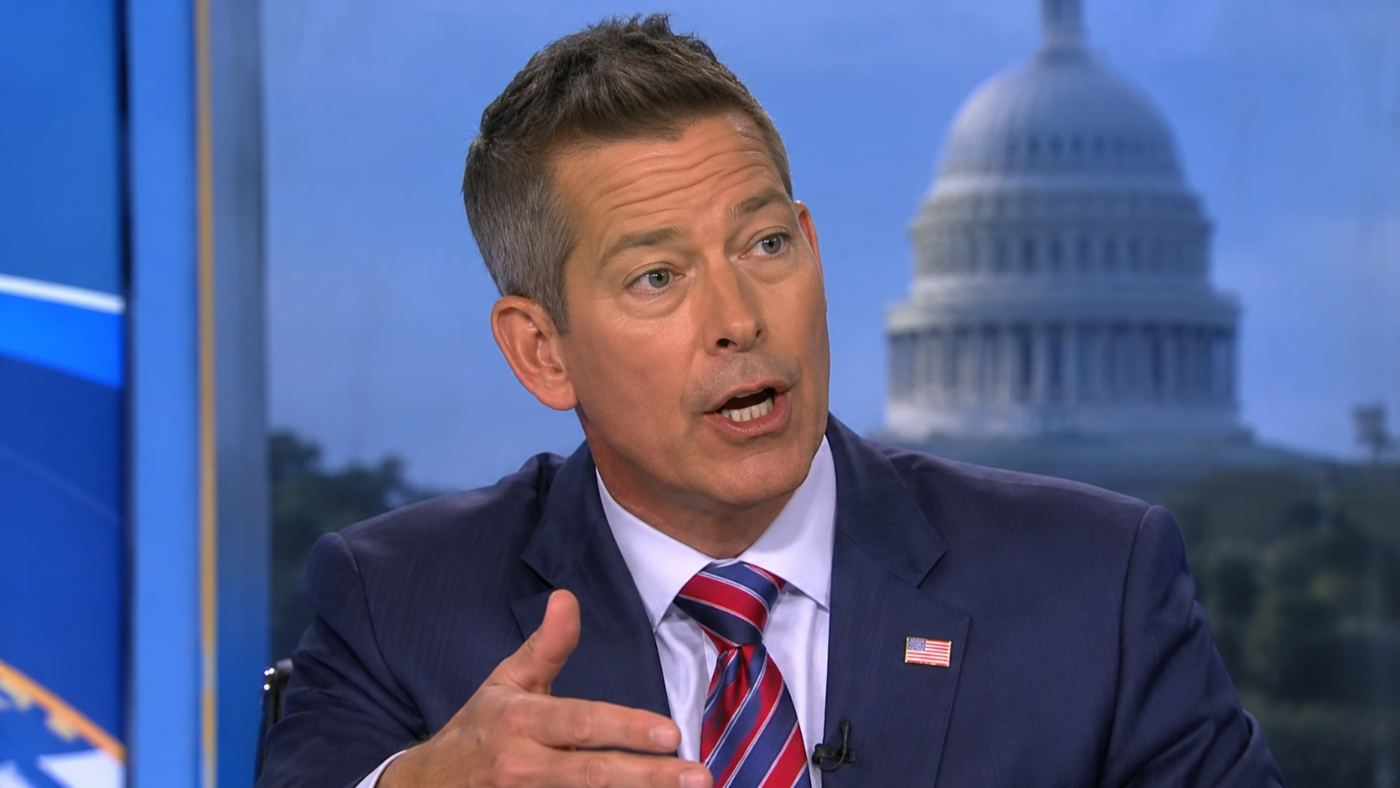
A resurfaced White House video is raising uncomfortable questions for Transportation Secretary Sean Duffy after a nationwide aviation shutdown stranded travelers and exposed serious vulnerabilities in America's air traffic control system.
The video, recorded during a July 8, 2025, Cabinet meeting, shows Duffy telling President Donald Trump that major modernization work could be completed within approximately 18 to 24 months.
Sixteen months later, the nation's aviation system suffered a massive failure.
And during that period, Duffy somehow found time to film a family reality television series spanning seven months.
The Promise That Came Back to Haunt Him
During the July 2025 meeting, Trump asked Duffy about modernizing airport equipment and preventing dangerous aviation incidents.
Duffy enthusiastically described replacing outdated copper communications lines with fiber-optic technology and installing new radar systems.
He pointed to $12.5 billion in modernization funding approved by Congress.
"We think we can do that in a year and a half to two years," Duffy told Trump.
He also acknowledged that the money would not be sufficient to complete the entire modernization effort.
The statement was not a promise to replace every air traffic control system within 18 months. Nevertheless, it established a timetable against which the administration's progress could be measured.
Then the Entire Country Was Grounded
On November 13, 2026, a communications failure triggered a nationwide FAA ground stop lasting more than four hours.
Thousands of flights were disrupted, leaving airlines struggling to recover and passengers stranded.
Duffy attributed the failure to overloaded networking equipment interacting with aging infrastructure.
The incident exposed a problem that federal investigators had identified years earlier.
A 2024 Government Accountability Office review found that 105 of 138 FAA systems were unsustainable or potentially unsustainable.
The administration inherited those problems, but the shutdown raised questions about its modernization strategy and implementation.
Seven Months Making Reality Television
While overseeing the nation's transportation infrastructure, Duffy also participated in filming a five-part reality series titled The Great American Road Trip.
The show followed Duffy, his wife Rachel Campos-Duffy, and their nine children traveling across America.
In May 2026, Duffy revealed that filming had taken place intermittently over seven months.
The production received corporate sponsorship from companies including Boeing, Toyota, Shell, and United Airlines.
Those relationships attracted scrutiny because the companies have business interests affected by Transportation Department policies.
Duffy defended the project, saying departmental ethics officials approved his participation and that his family received no taxpayer-funded production expenses.
The department acknowledged covering certain official travel costs when Duffy combined filming stops with government business.
There is no evidence that filming caused the FAA shutdown or directly delayed modernization. But the arrangement raises legitimate questions about priorities, outside sponsorship, and the demands of Cabinet-level leadership.
A Timeline That Deserves Scrutiny
The contrast is difficult to ignore.
In July 2025, Duffy stood beside Trump discussing an ambitious modernization schedule.
During the following months, he participated in a sponsored television production while his department oversaw a system already known to have serious vulnerabilities.
By November 2026, a major communications failure had disrupted commercial aviation nationwide.
Congress had provided substantial funding, but the FAA still lacked a reliable overall modernization cost estimate and coordinated schedule.
The unanswered questions concern what improvements were completed, whether deadlines were realistic, and how effectively contractors were supervised.
For Americans stranded in airports, those answers matter considerably more than a Cabinet secretary's television appearances.
The resurfaced video provides a reminder that public promises about infrastructure must ultimately be measured against completed work—not speeches, announcements, or television productions.