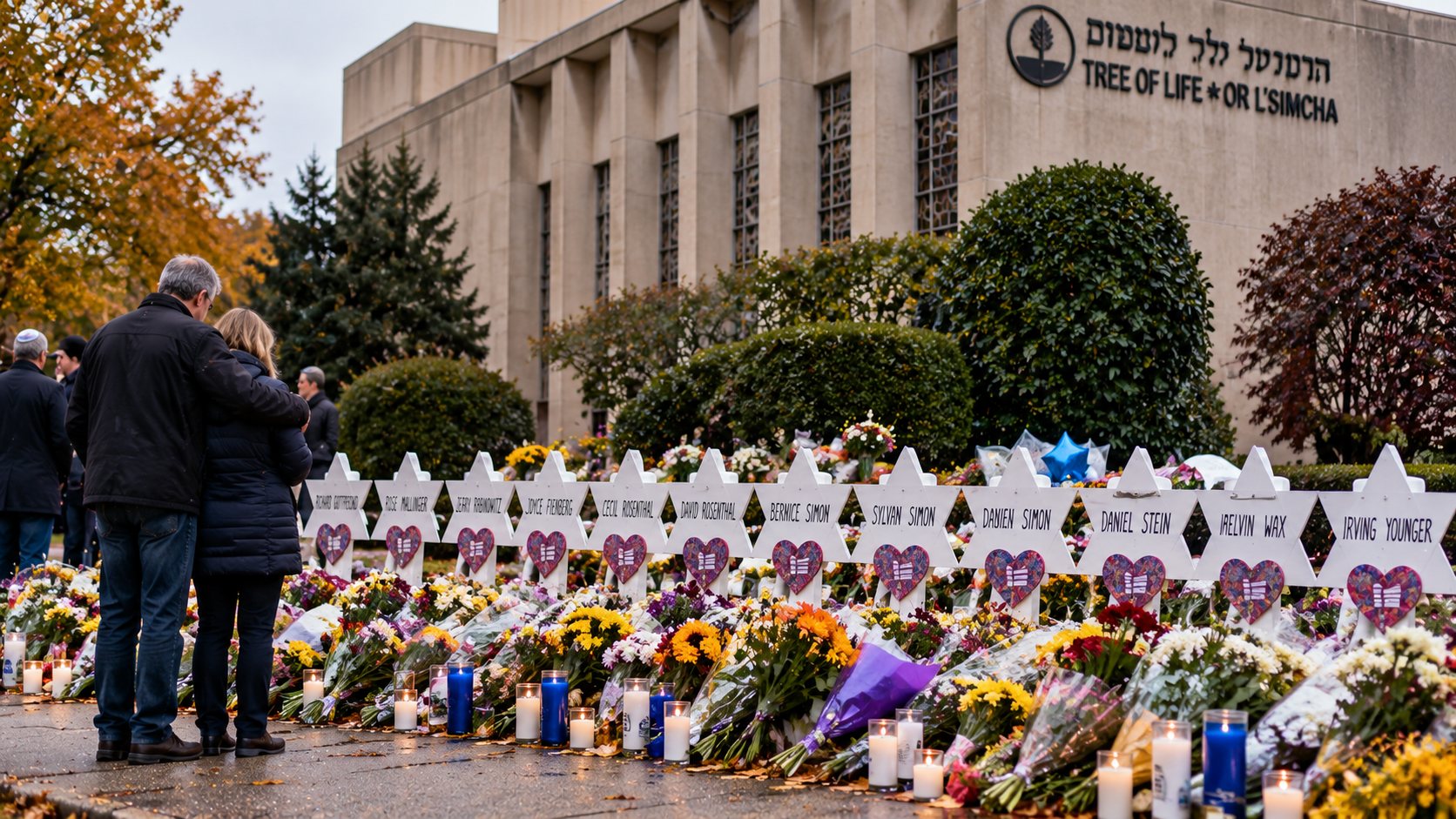
Jewish community leaders in Pittsburgh are telling President Donald Trump to stay away following Saturday's massacre at the Tree of Life synagogue, accusing him of contributing to a political climate that encourages hatred and extremism.
The attack, which killed 11 worshippers and wounded six others, is the deadliest antisemitic assault in American history.
Jewish Leaders Condemn Trump's Rhetoric
In an open letter, the Pittsburgh chapter of Bend the Arc, a progressive Jewish organization, accused Trump of emboldening white nationalists through his words and policies.
The group declared that Trump would not be welcome until he denounced white nationalism and stopped targeting immigrants and minority communities.
Lynnette Lederman, a former president of the Tree of Life synagogue, delivered an equally forceful message during a CNN interview Monday.
She described Trump as a "purveyor of hate speech" and said his expressions of sympathy were hypocritical.
Mayor Asks Trump to Delay Visit
Pittsburgh Mayor Bill Peduto has urged Trump to postpone his planned visit until after the victims' funerals, arguing that grieving families and the city's resources should remain the priority.
Despite those objections, the White House announced Monday that Trump and First Lady Melania Trump would visit Pittsburgh on Tuesday.
Not everyone in the Jewish community opposes the visit. Tree of Life Rabbi Jeffrey Myers has said the president is welcome, emphasizing the need to confront hatred.
Trump Again Attacks the Media
Trump condemned Saturday's massacre as an act of evil and called for Americans to reject antisemitism.
Yet on Monday, as Pittsburgh mourned, the president again attacked journalists on Twitter, describing the news media as the "true Enemy of the People."
His remarks renewed criticism of his confrontational rhetoric, particularly following the synagogue massacre and a series of attempted mail bombings targeting prominent Democrats and Trump critics.
A Community Demands Accountability
The accused gunman, Robert Bowers, allegedly expressed antisemitic hatred and hostility toward Jewish organizations assisting refugees.
Jewish leaders criticizing Trump argue that his repeated attacks on immigrants and minorities have contributed to an atmosphere in which extremist beliefs flourish.
There is no established evidence that Trump directed or encouraged the synagogue attack, and the president has strongly condemned the killings.
Nevertheless, for many grieving Pittsburgh residents, the controversy is about more than a presidential visit. It is about whether America's political leaders are doing enough to confront the hatred that has left 11 innocent people dead.