One day after firing FBI Director James Comey, President Donald Trump welcomed senior Russian officials into the Oval Office for a private meeting.
The timing was extraordinary.
Comey had been overseeing the FBI investigation into Russian interference in the 2016 presidential election and possible connections between Russia and people associated with Trump's campaign.
On May 9, Trump fired him.
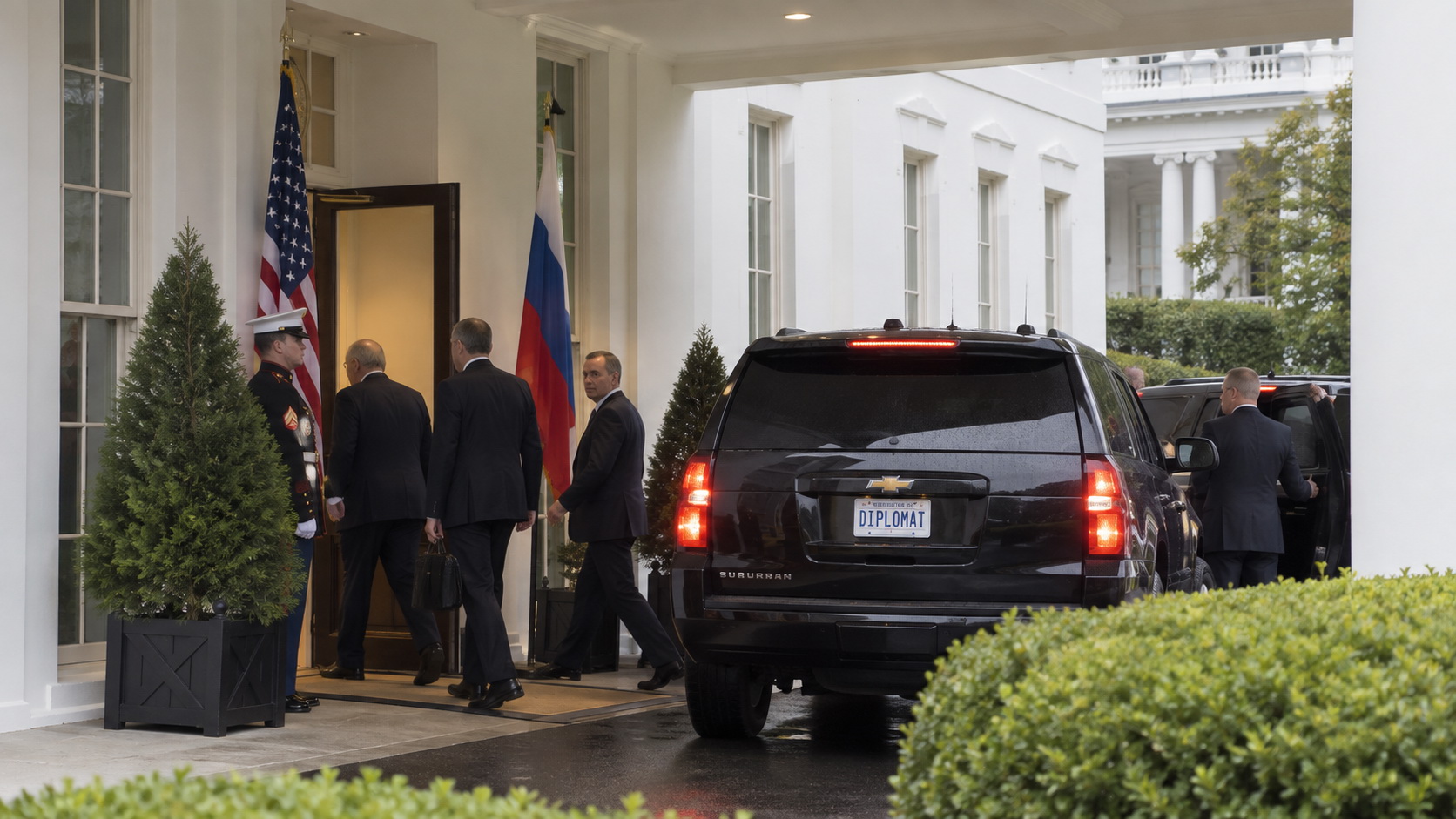
On May 10, Trump met Russian Foreign Minister Sergey Lavrov and Russian Ambassador Sergey Kislyak inside the White House.
The meeting had been scheduled as part of ongoing diplomatic contacts between Washington and Moscow, and a presidential meeting with a foreign minister was not inherently unusual.
Coming less than 24 hours after Comey's dismissal, however, it immediately attracted intense scrutiny.
Russia Comes to the Oval Office
According to the White House's official account, Trump and Lavrov discussed several major international issues.
Trump pressed Russia regarding Syria and the Assad government, discussed the war in Ukraine and implementation of the Minsk agreements, and raised the possibility of broader cooperation between the United States and Russia in the Middle East.
The White House said Trump also emphasized his desire for a better relationship between Washington and Moscow.
But there was another participant whose presence was particularly noteworthy.
Sergey Kislyak, Russia's ambassador to the United States, also attended.
Kislyak had already become a recurring figure in the controversy surrounding contacts between members of Trump's circle and Russian officials.
An Unusual Media Situation
The circumstances surrounding photographs of the meeting created another controversy.
The Oval Office session was not opened to the regular White House press pool for photography.
Yet images from inside the meeting quickly became public.
They came from the Russian side.
Russian government photographs showed Trump smiling and speaking with Lavrov and Kislyak inside the Oval Office.
That created an awkward situation in which Americans were initially seeing images of their own president's meeting through photographs distributed by Russia rather than photographs produced by the independent American press.
White House officials said the Russian photographer had been admitted as Lavrov's official photographer.
The episode nevertheless generated questions about why American news photographers had not received equivalent access.
The Timing Was Impossible to Ignore
Had the meeting occurred at another moment, it might have attracted relatively routine foreign-policy coverage.
Instead, it happened while Washington was still absorbing one of the most consequential personnel decisions of Trump's young presidency.
The FBI director had been fired while the bureau was investigating Russian election interference.
The following day, two senior representatives of the Russian government were standing with Trump inside the Oval Office.
That sequence did not by itself establish wrongdoing.
But politically and visually, the juxtaposition was remarkable.
It ensured that Trump's attempt to explain Comey's firing would unfold alongside images of the president meeting Russian officials at the center of America's most sensitive ongoing political controversy.
The Story Was About to Get Bigger
The Oval Office meeting would soon attract attention for another reason.
Within days, reports emerged that Trump had discussed highly sensitive intelligence concerning an ISIS threat during his conversation with the Russian officials.
The White House disputed aspects of the initial reporting, while Trump subsequently said that, as president, he had the authority to share information with Russia concerning terrorism and airline safety.
That controversy would become its own chapter in the rapidly expanding Russia story.
And the events were moving quickly.
May 9: Trump fired James Comey.
May 10: Trump met Lavrov and Kislyak in the Oval Office.
May 17: Deputy Attorney General Rod Rosenstein appointed Robert Mueller as special counsel.
In barely more than a week, what had already been a major FBI investigation became one of the defining political controversies of Trump's first presidency.
The May 10 Oval Office meeting remains one of the most memorable images from that period — not simply because the president met Russian officials, but because of when he met them.
One day after firing the FBI director overseeing the Russia investigation, Russia's foreign minister and ambassador were welcomed into the Oval Office.
And photographs released by the Russian side ensured the world saw it.
Category: Politics / Foreign Policy
Tags: Donald Trump, Russia, Sergey Lavrov, Sergey Kislyak, James Comey, FBI, Oval Office, Russia Investigation, White House, 2017