House Democrats released new testimony Monday revealing growing concerns inside the Pentagon over President Donald Trump's decision to withhold nearly $400 million in military assistance to Ukraine, raising additional questions about whether the president used American foreign aid to pressure a foreign government into politically beneficial investigations.
The newly released transcripts, involving three Trump administration officials, come just two days before the House impeachment inquiry begins its first public hearings.
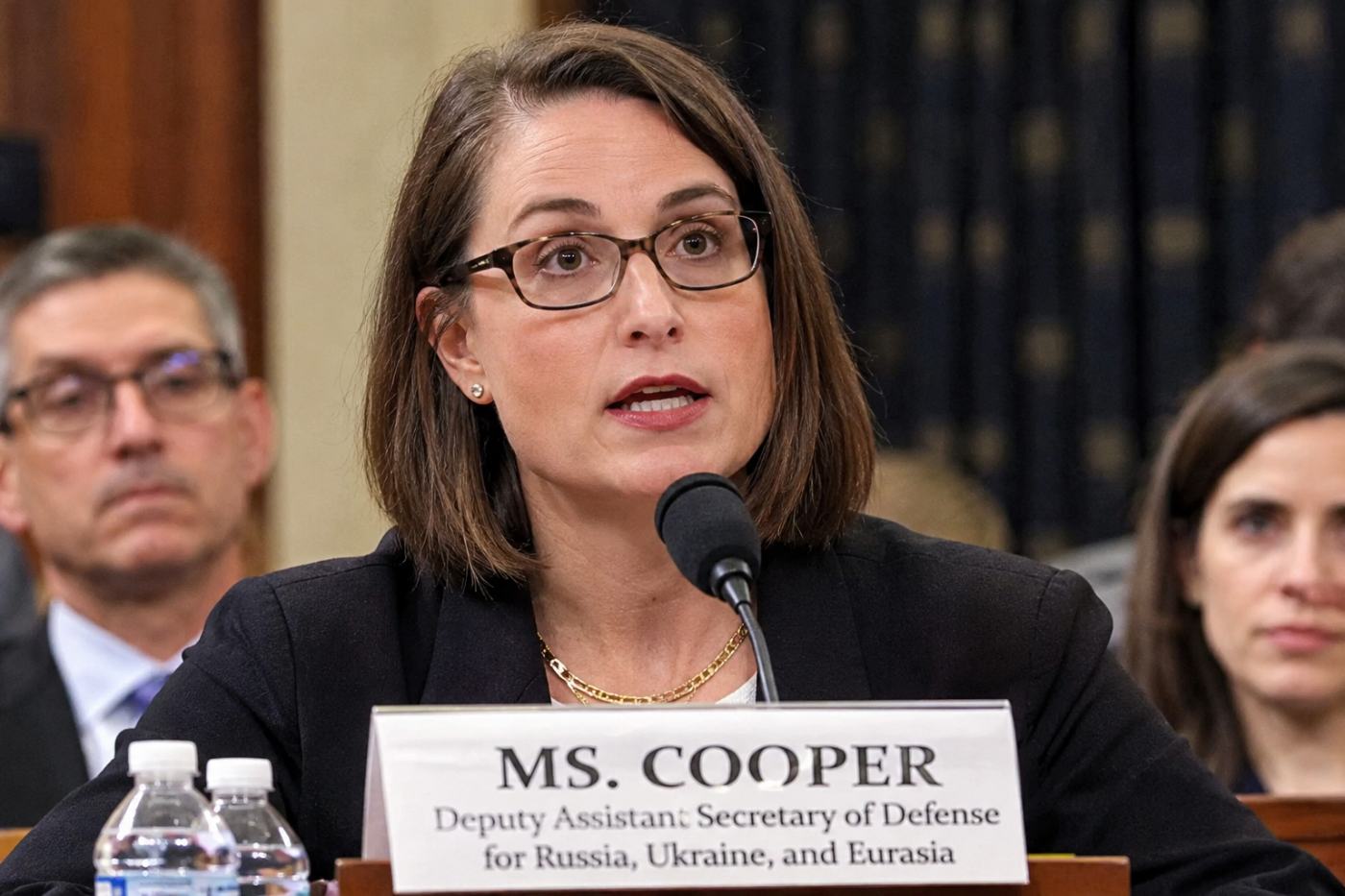
Among the witnesses was Laura Cooper, the deputy assistant secretary of defense responsible for Russia, Ukraine, and Eurasia, whose testimony described confusion, legal concerns, and opposition within the administration over the decision to freeze congressionally approved assistance.
Pentagon Officials Question the Freeze
Cooper testified that Defense Department officials began seeking clarification about the suspended assistance on July 18.
At a July 23 meeting, officials from the Office of Management and Budget explained that the president had concerns about Ukraine and its security assistance.
Cooper described widespread agreement among senior national security officials that the military funding should continue.
The assistance was intended to strengthen Ukraine's defenses against Russian aggression, including providing military equipment, training, and other security resources.
Pentagon officials feared withholding the assistance could weaken Ukraine's negotiating position and signal declining American support.
Cooper also testified that officials questioned whether the administration could legally delay spending money already authorized by Congress.
Questions About Political Investigations
One particularly significant portion of Cooper's testimony concerned a conversation with Kurt Volker, the administration's former special envoy to Ukraine.
Cooper described Volker discussing a possible Ukrainian government statement addressing interference in American elections and the prosecution of individuals involved.
She understood that such a statement might help resolve the suspended military assistance.
The testimony added to questions about whether the Trump administration was linking American security assistance to investigations that could benefit the president politically.
The impeachment inquiry is examining Trump's efforts to persuade Ukrainian President Volodymyr Zelensky to investigate former Vice President Joe Biden and his son Hunter, along with allegations involving the 2016 presidential election.
Trump has repeatedly denied wrongdoing and insisted that his dealings with Ukraine were appropriate.
Ukrainian Officials Knew About the Freeze
The newly released testimony also challenges an argument advanced by Trump's defenders.
Republicans have maintained that Ukraine could not have been pressured by the suspended assistance if Ukrainian officials were unaware that the money had been withheld.
However, Cooper testified that conversations with other officials led her to believe Ukrainian authorities knew about the freeze before it became public.
Catherine Croft, a former State Department adviser on Ukraine, similarly testified that Ukrainian officials learned about the suspended funding early.
Their accounts raise additional questions about the administration's explanation for the delay.
Giuliani's Influence Raises Concerns
Another witness, former State Department Ukraine adviser Christopher Anderson, described concerns about the influence of Trump's personal attorney, Rudy Giuliani.
Anderson testified that former National Security Adviser John Bolton had warned that Giuliani's involvement could complicate American diplomatic efforts.
The testimony portrayed career officials attempting to maintain established Ukraine policy while navigating an unofficial channel of influence surrounding the president.
Public Hearings Approach
House Democrats are preparing to begin televised impeachment hearings Wednesday, with senior diplomats William Taylor and George Kent scheduled to testify.
Republicans continue defending Trump and challenging the fairness of the investigation.
The latest transcripts provide investigators with additional accounts of how the military assistance was withheld, why officials objected, and whether political demands influenced the decision.
As the inquiry moves into public view, those questions remain central to determining whether Trump abused presidential power in his dealings with Ukraine.