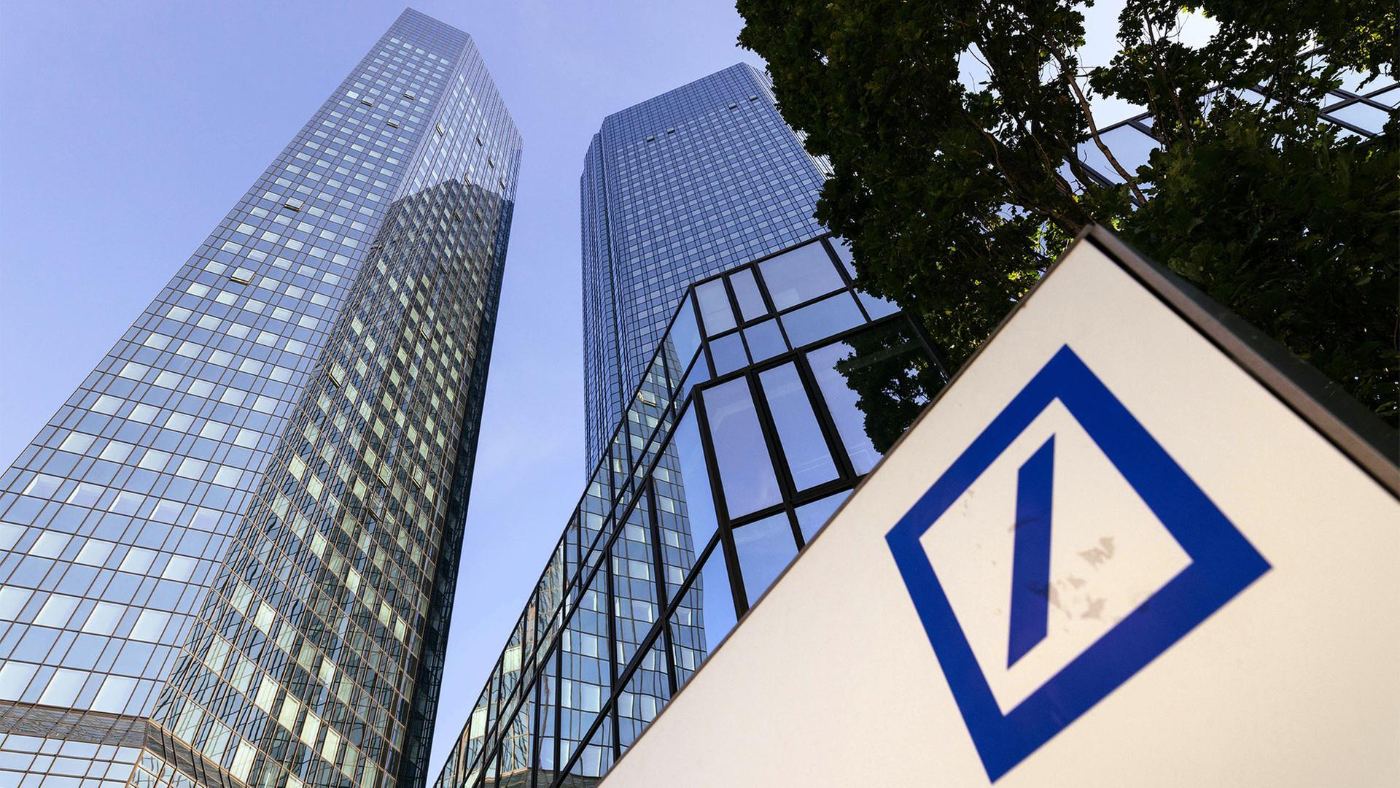
Reports emerged on December 5, 2017, that Special Counsel Robert Mueller had subpoenaed financial records from Deutsche Bank, the German financial institution that had lent hundreds of millions of dollars to Donald Trump's business empire.
The development raised questions about whether Mueller's investigation into Russian interference in the 2016 presidential election was examining financial relationships involving people close to the president.
Trump's attorneys quickly disputed reports that investigators had sought his personal banking records.
Investigators Seek Financial Documents
Reuters reported that Deutsche Bank had received a subpoena several weeks earlier requesting information about financial transactions and credit arrangements.
Sources familiar with the matter indicated that the bank had already provided documents to investigators.
Initial reports suggested the subpoena covered accounts belonging to Trump and his family.
However, subsequent reporting clarified that the request concerned people or entities affiliated with the president, rather than necessarily targeting his personal accounts.
The precise scope of the subpoena was not publicly disclosed.
Trump's Long Relationship With Deutsche Bank
Deutsche Bank had maintained an extensive lending relationship with Trump after other major financial institutions became reluctant to finance his projects.
The bank provided substantial loans connected to several Trump properties, including his Chicago hotel and tower, the Trump National Doral resort in Florida, and the hotel developed in Washington's Old Post Office building.
Public reporting estimated that Trump-related businesses owed the bank hundreds of millions of dollars.
The relationship attracted attention because investigators were examining possible connections between Trump's associates and Russian interests.
However, the existence of loans from Deutsche Bank did not itself establish wrongdoing.
Trump's Lawyers Dispute the Reports
Trump attorney Jay Sekulow rejected claims that Mueller had subpoenaed financial records relating directly to the president.
Sekulow said Trump's legal team had confirmed that reports concerning the president's personal accounts were false.
Deutsche Bank declined to discuss individual clients but stated that it cooperated with authorized investigations.
Mueller's office also declined to comment.
The conflicting statements left uncertainty about which accounts and transactions investigators were examining.
Questions About Russian Financial Activity
Deutsche Bank had separately faced scrutiny over suspicious transactions involving Russian money.
Earlier in 2017, financial regulators imposed substantial penalties on the bank over a scheme involving approximately $10 billion in Russian-linked trades.
Those regulatory findings were separate from the Mueller investigation and did not establish that Trump participated in the transactions.
Nevertheless, the bank's history and its lending relationships made the reported subpoena significant to lawmakers examining possible financial connections between Trump's circle and Russia.
Democrats Demand Greater Transparency
Democratic lawmakers had previously requested information about Deutsche Bank's lending arrangements with Trump and his family.
They wanted to determine whether foreign individuals or institutions had provided financial backing for loans involving the president's businesses.
The bank had declined to disclose confidential customer information without appropriate legal authority.
Following the December 5 reports, Senator Richard Blumenthal argued that Trump's foreign financial relationships warranted examination.
Other lawmakers questioned whether potential financial obligations could create conflicts of interest.
These were investigative concerns, not established findings of misconduct by Trump.
A Broader Investigation
Mueller's investigation had already produced criminal charges against several Trump associates.
Just four days earlier, former National Security Adviser Michael Flynn pleaded guilty to lying to the FBI about conversations with Russia's ambassador.
The Deutsche Bank reports suggested investigators were also obtaining financial information relevant to people connected with Trump.
However, the publicly available reporting did not establish that Mueller had uncovered illegal financial dealings by the president.
An Important Development With Unanswered Questions
December 5, 2017, brought renewed attention to the relationship between Trump's business empire and one of its principal lenders.
The reported subpoena demonstrated that investigators were seeking financial documents involving Trump-affiliated individuals or entities.
The uncertainty surrounding the request also illustrated the importance of distinguishing confirmed investigative actions from speculation about what those investigations might reveal.
The episode remains part of the history of the Mueller investigation and the scrutiny of Trump's financial relationships during his first presidency.