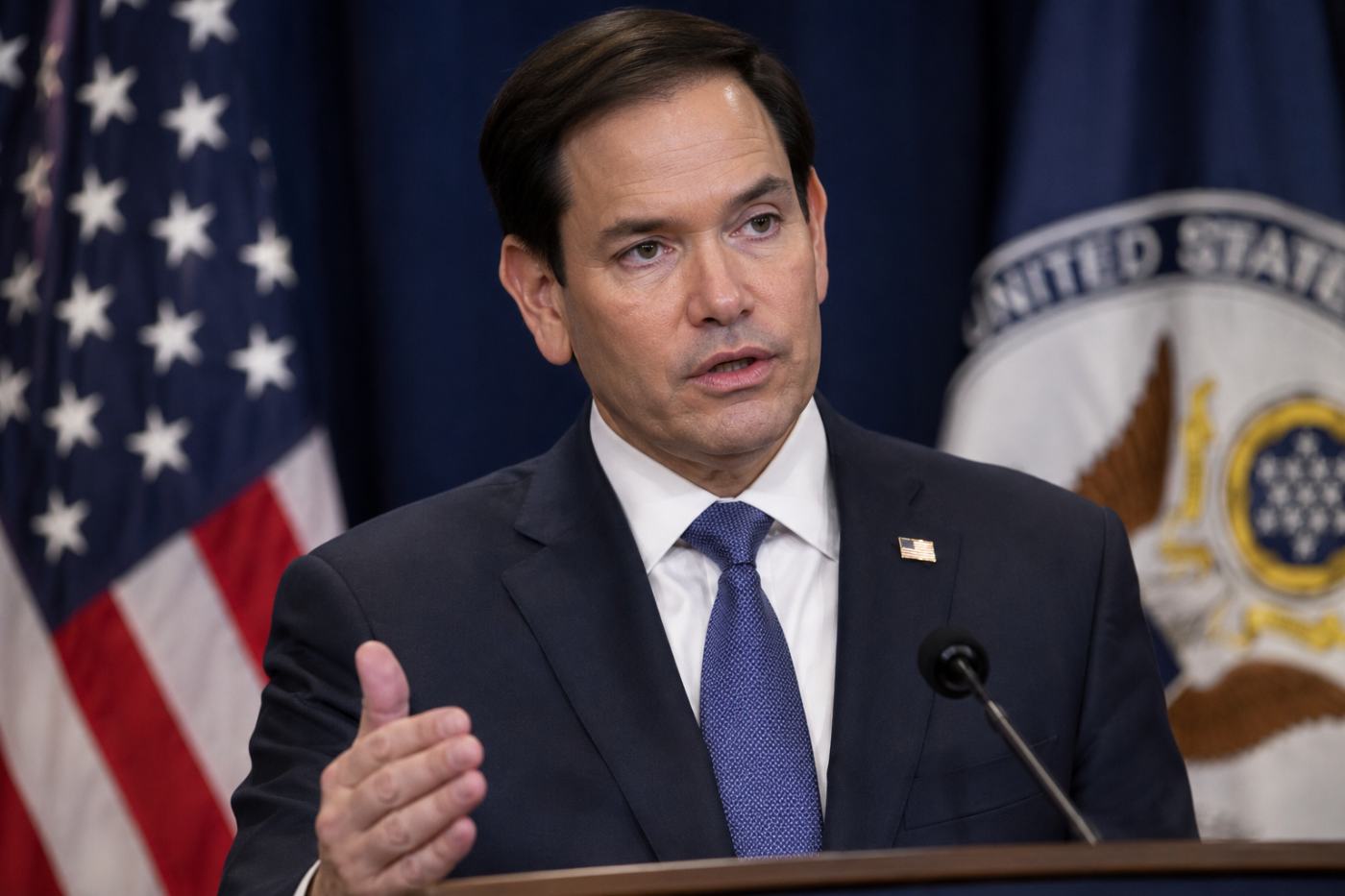
Secretary of State Marco Rubio is facing another federal lawsuit over the Trump administration's failure to open registration for the Diversity Visa Lottery, a longstanding immigration program offering up to 55,000 visas annually to people from countries with historically low rates of immigration to the United States.
The lawsuit, filed November 1, 2026, in California federal court, accuses Rubio and the State Department of unlawfully withholding or delaying government action required under federal immigration law.
The legal challenge comes just days after the Ninth Circuit Court of Appeals temporarily blocked an earlier ruling ordering the administration to restart the program.
A Program Left in Limbo
Established under the Immigration Act of 1990, the Diversity Visa Program provides eligible foreign nationals an opportunity to apply for permanent residency through a randomized selection process.
The program has operated for decades under both Republican and Democratic administrations, including during Trump's first presidency.
But the State Department failed to open registration for the fiscal year 2027 lottery, effectively preventing prospective applicants from participating.
The department has not publicly provided a clear explanation for the failure to open registration.
In August, California immigration firm Red Eagle Law challenged the administration's actions, arguing that suspending the lottery violated federal administrative law.
On October 14, U.S. District Judge Jinsook Ohta ordered the government to restart the program, requiring registration to begin by November 1.
The Trump administration appealed.
Appeals Court Blocks Reopening
On October 29, the Ninth Circuit granted the administration an emergency stay, temporarily suspending the lower court's order.
However, the appeals court did not conclude that the administration had acted lawfully by keeping the program closed.
Instead, the judges determined that Red Eagle Law had not demonstrated that its interests fell within those protected by the Diversity Visa statute.
The court explicitly stated that it did not endorse the State Department's failure to open registration.
The distinction is important: the administration secured temporary relief based on the plaintiff's ability to bring the lawsuit, not a final determination that suspending the lottery was legal.
A New Plaintiff Challenges Rubio
The latest lawsuit attempts to address that legal obstacle.
Ivan Ivannikov, a Russian-born immigration attorney living in Los Angeles, filed the new complaint against Rubio on November 1.
Unlike the earlier plaintiff, Ivannikov claims he personally qualifies for the lottery and intends to participate in both the 2027 and 2028 programs.
His lawsuit alleges that the State Department unlawfully delayed required government action, exceeded its statutory authority, and acted arbitrarily.
Ivannikov is asking the court to require registration periods lasting at least 30 days and allow selected applicants to proceed through the established immigration process.
His attorneys are also preparing to seek a preliminary injunction.
Immigration Policy Meets Congressional Authority
The dispute raises a larger question about the limits of presidential authority over immigration programs established by Congress.
The Diversity Visa Lottery exists under federal statute. Although administrations have authority to administer immigration procedures, that authority is subject to applicable laws and judicial review.
The Trump administration's position has temporarily prevailed in the earlier lawsuit, but the underlying legality of leaving registration unopened remains unresolved.
For prospective immigrants, the consequences are immediate.
Until registration resumes, eligible applicants cannot enter the lottery, leaving thousands uncertain about whether they will have an opportunity to seek permanent residency through the program.
The new lawsuit ensures that Rubio and the State Department will face another legal challenge over their handling of a program Congress created more than three decades ago.