For more than a decade, Donald Trump has dominated the Republican Party, demanding loyalty, reshaping its priorities, and turning the MAGA movement into the defining force of conservative politics.
But following the Republican Party's devastating losses in the 2026 midterm elections, something remarkable is happening: Republicans themselves are openly questioning whether Trump has become a political liability.
From young conservative activists to longtime Trump supporters, the conversation is shifting toward an uncomfortable question: What happens to the Republican Party when Trump is no longer its leader?
Young Republicans Question MAGA's Future
At Ohio State University, members of the College Republicans are expressing frustration with the president and the movement that once inspired them.
Chapter president Hunter Willmitch told The Washington Post that he believes the MAGA movement is dead.
Another young Republican, Abraham Dixon, compared Trump to Emperor Palpatine, the aging villain from Star Wars, reflecting concerns that the president could continue dominating Republican politics even after leaving office.
For younger conservatives who have known little beyond Trump's Republican Party, the prospect of rebuilding without him presents both an opportunity and a challenge.
Even Trump's Loyal Supporters Are Turning
The dissatisfaction extends beyond college campuses.
In Texas, Republican businessman Michael Little blamed Trump for the party's electoral setbacks.
Rick Frazier, a longtime Trump rally attendee and three-time Trump voter, expressed frustration over the president's failure to fulfill his promise of cleaning up Washington.
Frazier described Trump as the very embodiment of the political establishment he once promised to dismantle.
These aren't traditional Democratic critics. They are people who supported Trump, attended his rallies, and helped build his political movement.
Their criticism illustrates the divisions emerging within the Republican coalition.
A Midterm Election Reckoning
Republicans suffered sweeping losses in the November 3 elections, losing control of Congress and suffering unexpected defeats in traditionally Republican territory.
Florida Governor Ron DeSantis characterized the results as an existential threat to the party, while Senator Ted Cruz compared the magnitude of the rejection to the political fallout from Watergate.
The reasons for Republican dissatisfaction are numerous.
Trump's tariffs, rising living costs, the war in Iran, and controversial immigration enforcement policies have generated criticism among voters and Republican officials.
Yet disagreement remains over what the party should do next.
Some conservatives want to distance themselves from Trump's leadership. Others believe Republicans should embrace an even more aggressive version of his political agenda.
Who Inherits the MAGA Movement?
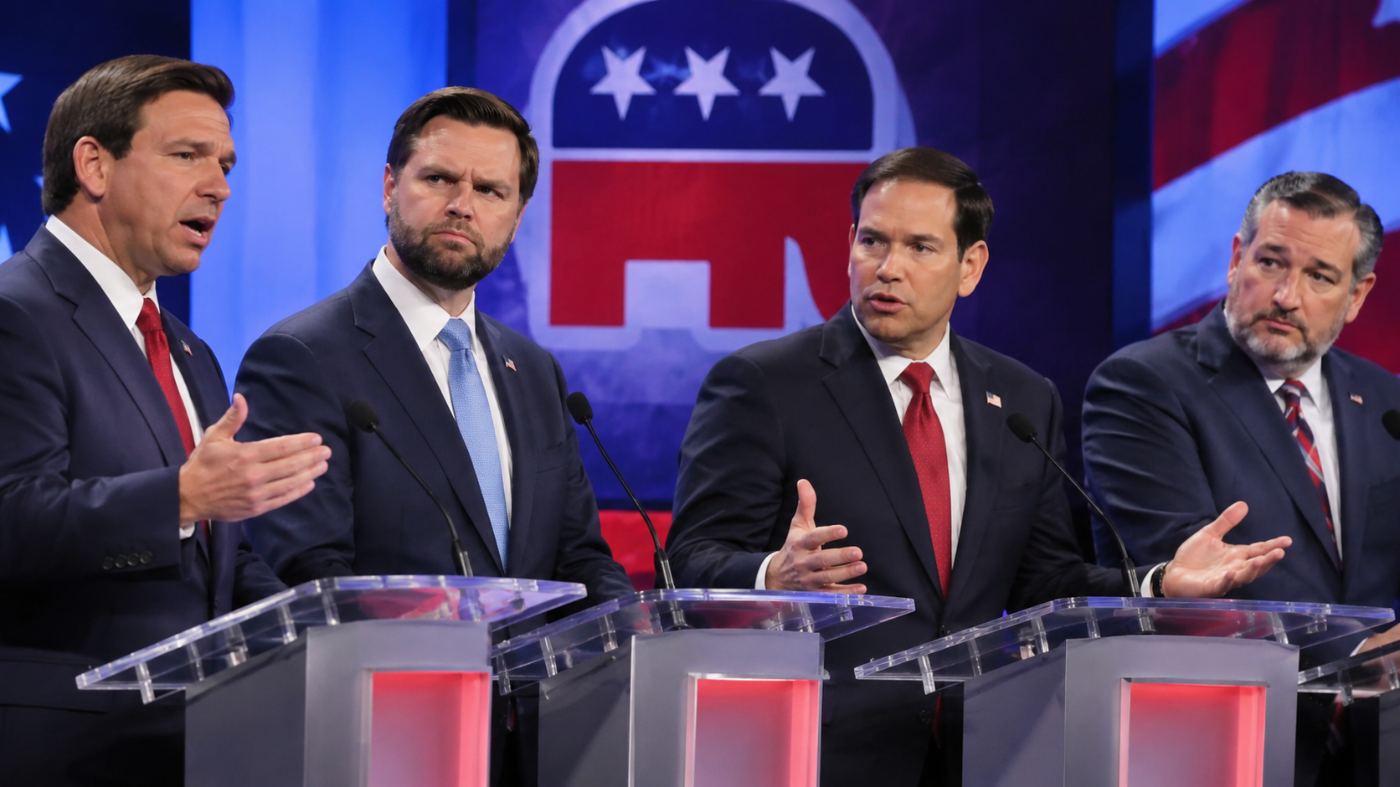
Vice President JD Vance, Secretary of State Marco Rubio, and Florida Governor Ron DeSantis are among the Republicans discussed as possible presidential candidates in 2028.
But replacing Trump presents a fundamental problem.
The Republican Party has spent years organizing itself around one political personality rather than a clearly defined succession plan.
Trump has also declined to offer an unequivocal endorsement of Vance as his successor.
That uncertainty leaves Republicans debating whether the next generation should preserve Trump's political approach, modify it, or abandon significant portions of it.
A Party Facing Its Own Contradictions
Trump remains president, and his influence within the Republican Party remains substantial.
But the election results and growing public criticism from Republicans have exposed disagreements that party loyalty previously helped suppress.
The central question is no longer simply who succeeds Trump.
It is whether Republicans can develop a political identity independent of the man who has dominated their party for more than a decade.
For a movement built around personal loyalty, that may prove to be its most difficult transition yet.