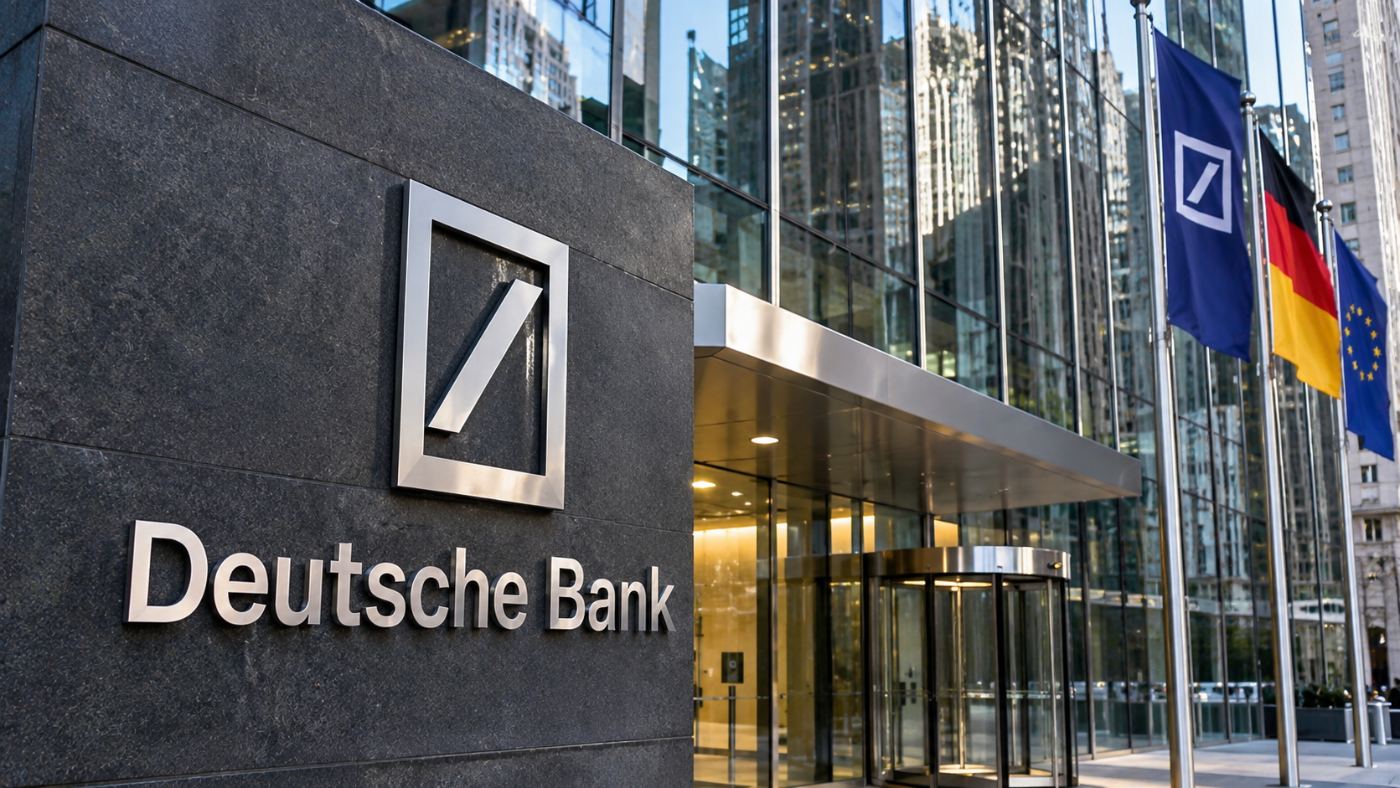
A massive leak of confidential Deutsche Bank documents has revealed financial transactions connecting Donald Trump-owned companies to an international money-laundering network that moved billions of dollars through shell companies.
The investigation, known as Inside Deutsche Bank, uncovered a payment of $141,261.82 to a Trump company in April 2015, less than two months before Trump announced his first presidential campaign.
The money originated from Faberlex, a British shell company associated with the notorious Azerbaijani Laundromat, a financial network used to move billions of dollars and purchase political influence.
The Payment That Raised Red Flags
On April 28, 2015, Faberlex transferred $141,261.82 to THC Baku Services LLC, a Trump-owned company associated with a proposed luxury hotel development in Azerbaijan's capital.
Investigators discovered that the exact amount appeared in a confidential Deutsche Bank memorandum written in May 2020.
The memorandum, prepared by Brian Hagerty, then director of the bank's U.S. Financial Crime Intelligence Unit, identified more than $3 million in flagged transactions involving THC Baku Services and another Trump company, DT Marks Baku LLC.
Both companies had been identified in a suspicious activity report filed in January 2020.
The transactions dated back to 2014, raising questions about financial relationships that existed before Trump entered presidential politics.
Connections to a Billion-Dollar Laundering Operation
The Azerbaijani Laundromat was an international financial operation that moved nearly $3 billion through shell companies and offshore accounts.
Investigators previously documented how the network was used to conceal financial transactions and influence foreign politicians.
The newly leaked documents indicate that money originating from entities associated with this network reached Trump-linked businesses.
A European investigator familiar with the Azerbaijani Laundromat described payments from Faberlex as inherently suspicious.
However, suspicious financial activity does not automatically establish criminal wrongdoing. The available documents do not demonstrate that Trump personally knew the origins of the funds.
Deutsche Bank's Internal Warnings
The investigation also raises questions about Deutsche Bank's handling of Trump-related financial activity.
Internal documents show that bank personnel flagged transactions involving companies associated with Russian and Azerbaijani money-laundering networks.
Yet a Deutsche Bank attorney separately prepared a response to American authorities stating that, as of April 2019, the bank knew of no Russia-related connections involving Trump's business with the institution.
The leaked memorandum identifies the Trump companies as subjects of suspicious activity reporting, but does not name Trump personally as a suspect.
Neither of the two Baku companies was itself a Deutsche Bank customer.
Another Bank Had Already Raised Concerns
The revelations follow a separate disclosure from Capital One in August 2026.
In federal court filings, Capital One acknowledged that it closed more than 300 Trump-affiliated bank accounts in 2021 following an internal anti-money-laundering review.
Trump's businesses have argued that the closures were politically motivated. Capital One disputes that allegation, maintaining that its actions followed established banking compliance procedures.
The bank did not accuse Trump of committing money laundering.
Questions That Remain Unanswered
The Deutsche Bank records raise several important questions.
Why did companies connected to a notorious laundering network send money to Trump-owned businesses? What services were those payments intended to purchase? And why were suspicious transactions involving these companies not more thoroughly examined publicly?
Congress previously sought Deutsche Bank records concerning the laundering networks, but the relevant subpoena expired in January 2023 without being renewed.
The newly uncovered documents do not prove that Trump engaged in money laundering. They do, however, establish financial connections that warrant scrutiny.
For a sitting president whose businesses have repeatedly attracted banking compliance concerns, the public interest in understanding these transactions is substantial.