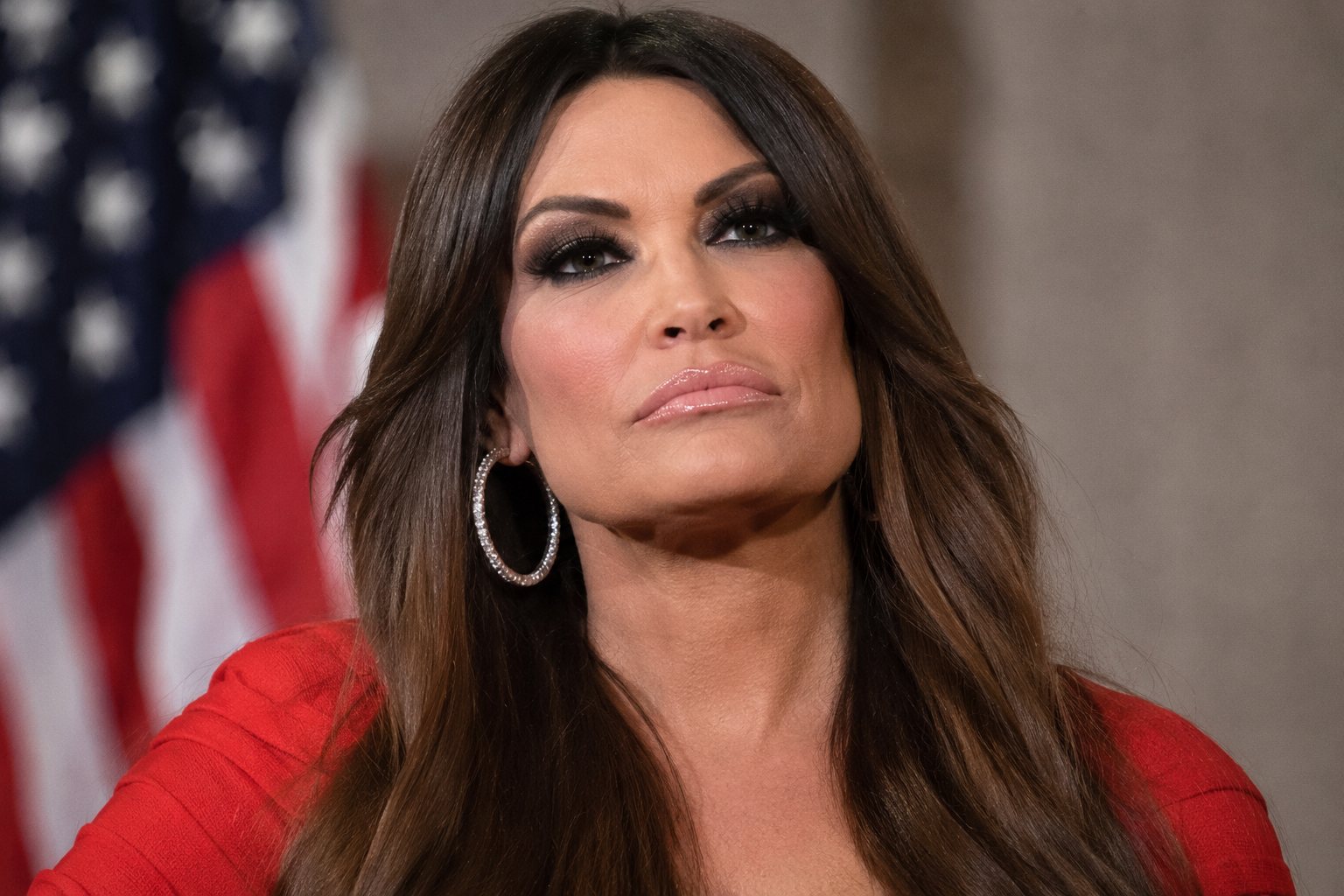
The congressional investigation into former U.S. Ambassador Kimberly Guilfoyle's alleged attempt to exchange political access for financial assistance is expanding, with House Democrats now seeking records from her podcast producer over his possible involvement in the controversial arrangement.
Guilfoyle, a former Fox News personality and former fiancée of Donald Trump Jr., resigned as ambassador to Greece in October after President Donald Trump requested her departure amid allegations of improper conduct.
At the center of the controversy is Republican donor Eric Deters, who alleges that Guilfoyle asked him to pay a $100,000 American Express bill in exchange for assistance gaining access to influential Trump administration officials.
Now, investigators want to know whether other people helped facilitate those alleged arrangements.
On October 30, Representative Robert Garcia, the ranking Democrat on the House Oversight Committee, requested financial records and communications from Drew Lynch, executive producer of The Kimberly Guilfoyle Show.
According to reporting by MS NOW, congressional investigators believe Lynch may have been aware of discussions involving Deters and Guilfoyle as early as January 2025.
Communications reviewed by Democratic investigators reportedly suggest Lynch interacted extensively with Deters, sometimes acting as an intermediary in efforts to connect the donor with administration officials.
Those discussions allegedly included possible access to FBI Director Kash Patel and FBI General Counsel Sam Ramer.
Garcia has given Lynch until November 13 to respond to the records request.
The controversy began with reporting by The Wall Street Journal describing messages allegedly exchanged between Guilfoyle and Deters before her July 2025 Senate confirmation hearing.
According to the reported communications, Guilfoyle urged Deters to help pay her credit card debt while suggesting that the payment could be made without attracting public attention.
Deters has claimed he expected assistance with matters involving the Justice Department and Internal Revenue Service.
In an interview with CBS News, Deters characterized the alleged arrangement as a direct exchange of money for influence.
He also acknowledged that he never made the requested $100,000 payment.
Guilfoyle's attorneys have challenged the authenticity of the disputed messages and denied wrongdoing. They maintain that Deters owed Guilfoyle money for travel and appearances associated with political events.
Deters disputes that explanation and has filed a defamation lawsuit against Guilfoyle and members of her legal team.
The allegations attracted additional scrutiny because of Guilfoyle's longstanding connections to the Trump family and her appointment to a prominent diplomatic position.
Her resignation followed reports involving other allegations of improper conduct during her ambassadorship, including questions about gifts, business relationships, and interactions with Greek officials.
Guilfoyle has denied the accusations.
House Democrats have made clear that her departure from government service will not end their investigation.
Garcia previously demanded Guilfoyle's financial records and communications with administration officials, raising questions about whether political influence was being offered to wealthy supporters in exchange for financial benefits.
The expanded inquiry now seeks to determine whether Lynch or anyone else helped arrange contacts between Deters and senior government officials.
No court has established that Guilfoyle engaged in a criminal pay-to-play scheme, and the congressional requests do not constitute findings of guilt.
Nevertheless, the investigation raises questions about the boundaries between private financial relationships and access to government officials.
For an administration already facing scrutiny over conflicts of interest and the financial activities of politically connected individuals, the allegations present another controversy involving someone closely associated with the president's family.
Guilfoyle may have left her diplomatic position, but congressional investigators are continuing to examine whether her political connections were used to solicit private financial benefits.