Justice Department Watchdog Undercuts Trump's Russia Witch Hunt Claims in Damning Investigation
December 9, 2019
President Donald Trump's repeated claims that the Russia investigation was a politically motivated witch hunt suffered a significant challenge on December 9, 2019, when the Justice Department's independent inspector general released a 434-page report concluding that the FBI had legitimate grounds to investigate connections between Trump's 2016 campaign and Russia.
The findings contradicted central elements of the president's accusations that federal investigators had improperly launched an investigation to undermine his presidency.
Trump's Claims Face an Independent Investigation
For years, Trump had attacked the FBI, former Director James Comey, and Special Counsel Robert Mueller, portraying the Russia investigation as a politically motivated operation designed to destroy him.
Trump and his allies repeatedly suggested that investigators had fabricated or exaggerated suspicions to justify targeting his campaign.
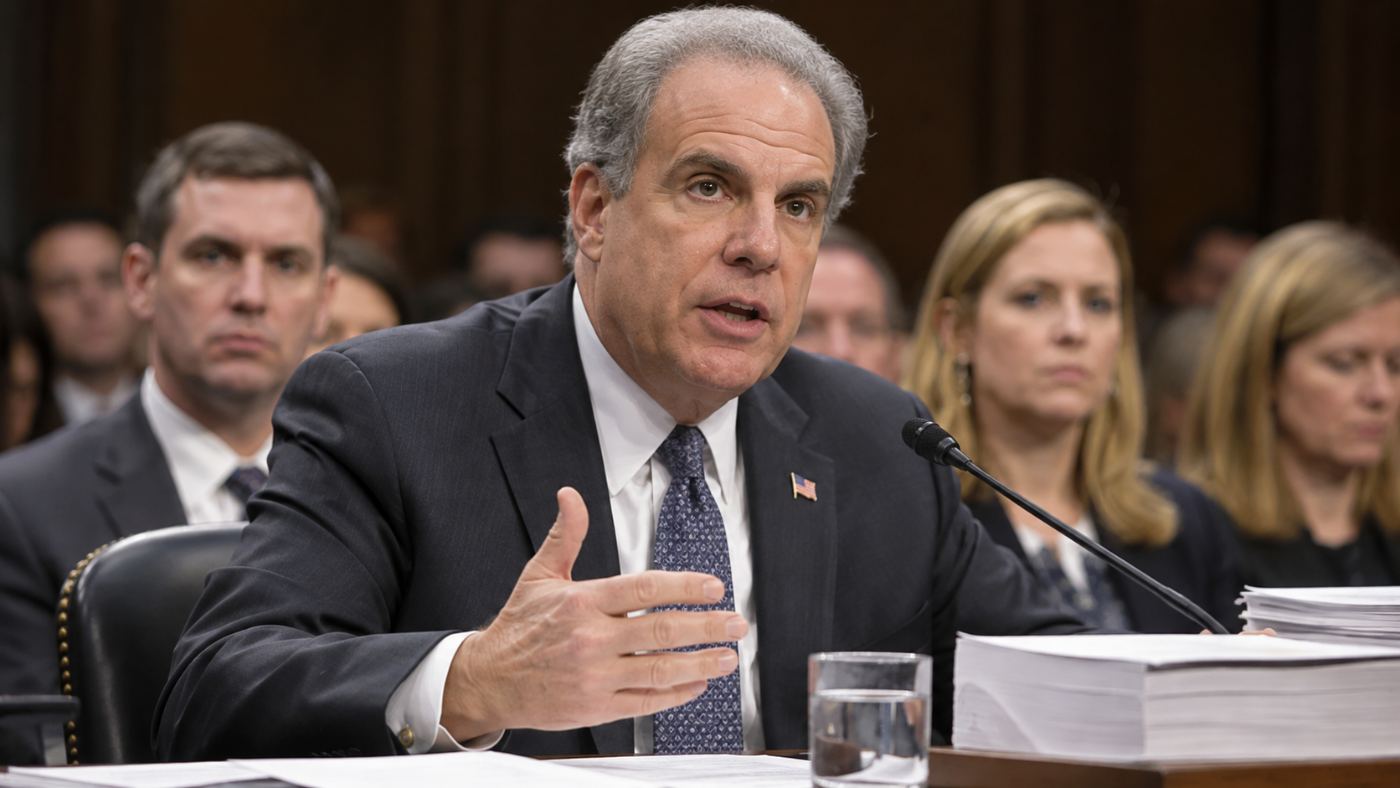
But Inspector General Michael Horowitz reached a different conclusion.
After reviewing more than one million documents and conducting over 170 interviews, investigators determined that the FBI had sufficient factual justification to open its counterintelligence investigation, known as Crossfire Hurricane, in July 2016.
The watchdog found no documentary or testimonial evidence that political bias improperly influenced the decision to begin the investigation.
The Investigation Had Legitimate Origins
The FBI opened Crossfire Hurricane after receiving information from an Australian diplomat concerning Trump campaign adviser George Papadopoulos.
The information suggested that Russia possessed damaging material about Hillary Clinton that could potentially influence the presidential election.
Horowitz concluded that these circumstances provided an authorized investigative purpose under FBI and Justice Department policies.
Importantly, the investigation began before the FBI received Christopher Steele's controversial dossier.
That finding contradicted claims that the dossier itself had triggered the original investigation.
Serious FBI Errors Also Exposed
The report was not an unconditional endorsement of the FBI.
Horowitz identified 17 significant inaccuracies and omissions across four surveillance applications involving former Trump campaign adviser Carter Page.
Investigators failed to disclose important information that weakened their surveillance justification, including questions about the reliability of Steele's reporting.
Horowitz described serious performance failures and called for substantial reforms.
These findings provided legitimate grounds for criticizing the FBI's handling of surveillance applications.
However, the surveillance failures did not overturn the inspector general's separate conclusion that the original investigation had been properly authorized.
Trump Rejects the Findings
Rather than acknowledge the report's conclusions about the investigation's origins, Trump portrayed the findings as evidence of a conspiracy against him.
Speaking to reporters, he described the investigation as an attempted overthrow of the government.
Attorney General William Barr also publicly disagreed with Horowitz's assessment that the original investigation had sufficient justification.
Meanwhile, FBI Director Christopher Wray accepted the inspector general's recommendations and announced corrective measures.
The competing reactions demonstrated how the report's findings were being interpreted differently across the administration.
A Major Contradiction in Trump's Narrative
The report established two important conclusions: the FBI had legitimate grounds to investigate possible Russian interference involving Trump campaign associates, and agents subsequently committed serious errors in seeking surveillance authorization.
Those findings were not mutually exclusive.
The watchdog did not determine that every investigative action was justified, nor did it establish that Trump or his campaign had committed a criminal conspiracy with Russia.
But its findings directly challenged the president's sweeping characterization of the investigation's origins as an illegitimate political operation.
On December 9, 2019, an independent Justice Department investigation found that the FBI had lawful grounds to examine Russian election interference and potential connections to Trump's campaign. Despite documented surveillance failures, the report did not substantiate Trump's central allegation that political bias had driven the decision to launch the investigation.