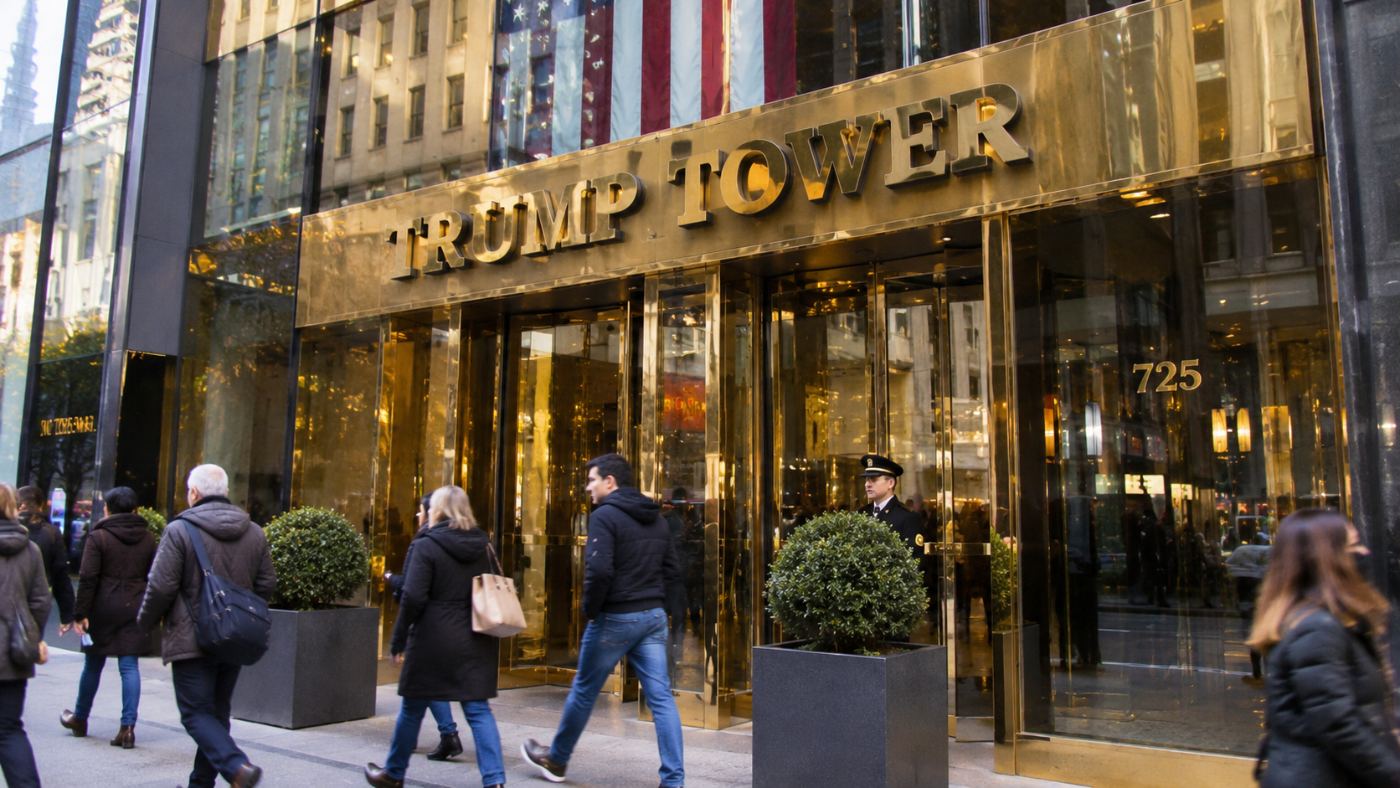
On December 5, 2022, a Manhattan jury began deliberating whether two companies belonging to former President Donald Trump's business empire had engaged in a years-long criminal tax fraud scheme involving luxury apartments, expensive vehicles, and other benefits provided to company executives.
The proceedings marked a significant moment in the criminal prosecution of the Trump Organization, placing the financial practices of Trump's family business before a jury.
After weeks of testimony, prosecutors and defense attorneys had presented sharply different accounts of how the company compensated its senior executives.
Two Trump Companies Face Criminal Charges
The defendants were the Trump Corporation and Trump Payroll Corporation, two entities operating within the Trump Organization.
Prosecutors alleged that company executives received substantial compensation that was deliberately concealed from tax authorities.
The alleged arrangements included luxury Manhattan apartments, leased Mercedes-Benz vehicles, private school tuition, and other personal expenses.
According to prosecutors, these benefits were not properly reported as taxable income, allowing executives to avoid personal income taxes while reducing certain company payroll obligations.
The charges included criminal tax fraud, conspiracy, and falsifying business records.
Allen Weisselberg Takes Center Stage
A central witness was Allen Weisselberg, the Trump Organization's longtime chief financial officer.
Weisselberg had worked for the Trump family business for decades and possessed extensive knowledge of its financial operations.
In August 2022, he pleaded guilty to 15 criminal charges involving his participation in the tax scheme.
As part of his plea agreement, Weisselberg agreed to testify truthfully at the company's trial.
He acknowledged receiving approximately $1.76 million in unreported compensation and benefits.
His testimony provided jurors with an inside account of how the arrangements operated.
Prosecutors Argue the Company Benefited
Manhattan prosecutors maintained that the misconduct was not simply the independent wrongdoing of one executive.
They argued that senior company officials had participated in practices that benefited both themselves and the business.
During closing arguments, prosecutors also contended that Trump knew about certain compensation arrangements.
Trump was not personally charged in this criminal case, and the jury was not being asked to determine his individual guilt.
Defense Blames Weisselberg
Attorneys representing the Trump Organization argued that Weisselberg acted primarily to benefit himself.
They maintained that the company should not be held criminally responsible for his personal tax violations.
The defense also questioned why outside accountants had failed to identify the improper reporting.
Trump denied wrongdoing and characterized the prosecution as politically motivated.
Judge Instructs the Jury
On December 5, Judge Juan Merchan instructed the jurors to evaluate the evidence without allowing personal opinions about Trump or his family to influence their decision.
He emphasized that the former president and his relatives were not the defendants.
The jury began deliberating around midday.
After several hours, jurors requested clarification concerning one of the charges before ending deliberations for the day.
Guilty Verdicts Arrive the Following Day
On December 6, the jury returned guilty verdicts against both Trump Organization companies on all 17 criminal counts.
The convictions established that the corporate defendants were criminally responsible for the fraudulent practices presented at trial.
In January 2023, the companies were ordered to pay approximately $1.6 million in fines.
The verdicts represented the first criminal convictions of Trump's companies.
A Historic Test of Corporate Accountability
The December 5 deliberations marked the final stage of a trial that exposed how senior executives at Trump's business received compensation outside ordinary payroll reporting.
The case also demonstrated the distinction between prosecuting a corporation and prosecuting its owner personally.
Although Trump himself was not charged, two companies bearing his name were convicted the following day.
The proceedings remain an important chapter in the legal history of the Trump Organization.