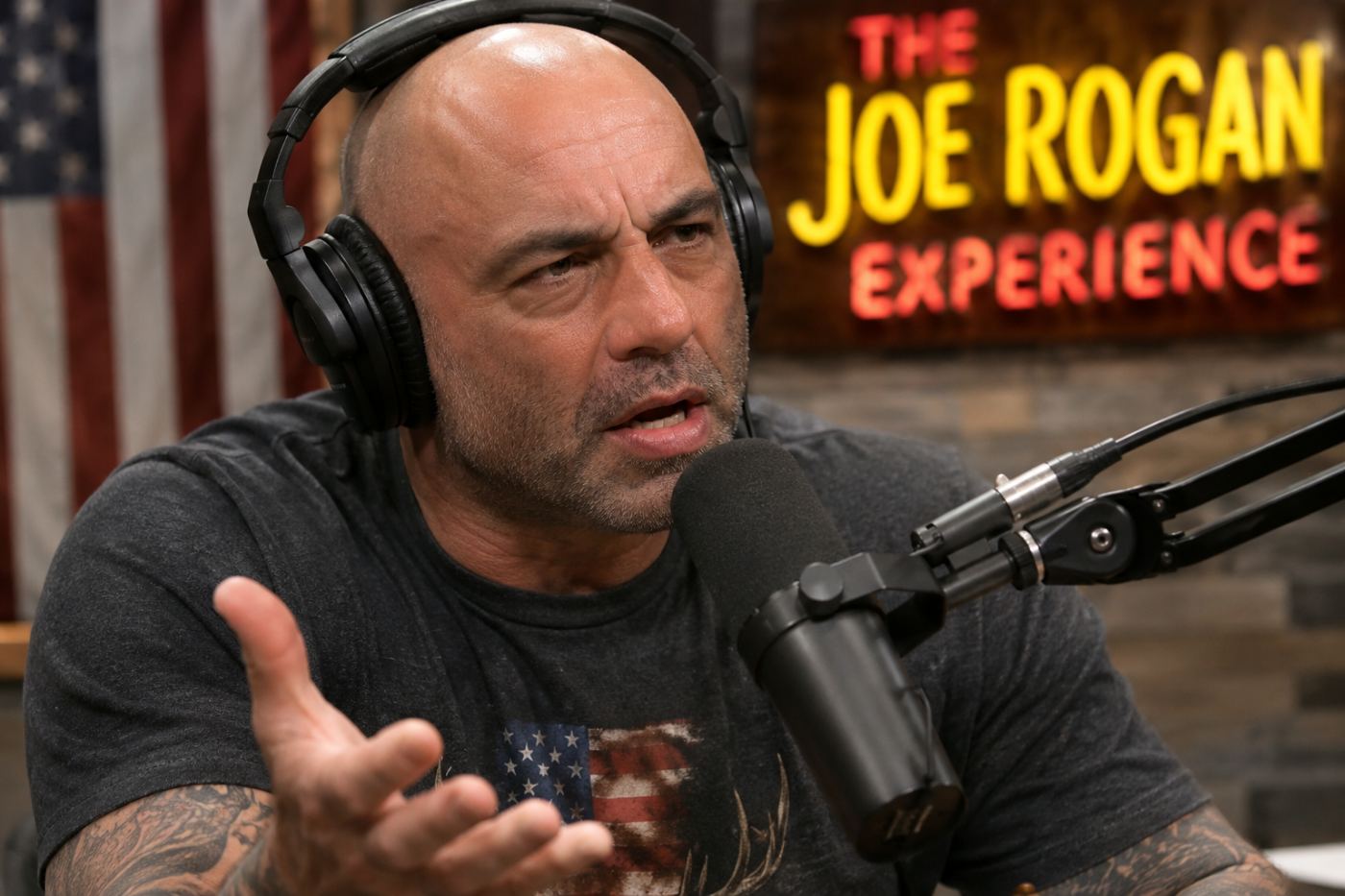
Joe Rogan, one of Donald Trump's most influential supporters during the 2024 presidential election, is delivering an increasingly harsh assessment of the president's second administration.
Following Republicans' sweeping losses in the November 3 midterm elections, the popular podcaster accused Trump of alienating Americans through unpopular policies, military intervention, and aggressive immigration enforcement.
His criticism highlights a growing divide between Trump and some of the influential media personalities who once helped promote his political movement.
From Trump Supporter to Vocal Critic
Rogan endorsed Trump in 2024 and hosted him on The Joe Rogan Experience, providing the Republican candidate access to millions of listeners, including younger voters.
Two years later, Rogan is openly questioning the administration's direction.
Discussing the Republican Party's election losses, Rogan argued that the backlash extended well beyond the online personalities and young male voters who helped support Trump's return to the White House.
He pointed specifically to the war in Iran and the presence of masked federal immigration officers on American streets.
For a president who campaigned against additional foreign wars and promised to challenge Washington's political establishment, those criticisms strike at the heart of his earlier campaign messaging.
Immigration Enforcement Sparks Criticism
Rogan's objections extend to the administration's treatment of immigrants who have lived and worked in American communities for decades.
Although he continues to support stronger border security, Rogan criticized enforcement operations targeting longtime residents without criminal histories.
He questioned the fairness of removing hardworking immigrants who established lives in the United States while dangerous criminals remain in American communities.
His position illustrates a distinction increasingly visible among some conservative commentators: support for border enforcement does not necessarily translate into support for every deportation tactic.
Rogan has also criticized the use of masked, heavily armed federal agents, arguing that such operations create troubling precedents for government authority.
The Iran War and Broken Expectations
The administration's military involvement in Iran has become another major source of Rogan's frustration.
Trump's opposition to prolonged foreign conflicts was an important part of his appeal to voters skeptical of American military intervention.
Rogan has repeatedly argued that the war contradicts those expectations.
He has also criticized controversies involving cryptocurrency, the administration's handling of the Epstein files, and its failure to deliver the sweeping government reforms supporters anticipated.
The criticism is especially significant because Rogan has not abandoned every aspect of Trump's agenda. He continues to defend certain immigration and border policies while rejecting others.
Republicans Confront the Political Fallout
The November 3 elections delivered major setbacks for Republicans, with Democrats gaining control of both chambers of Congress.
Reuters subsequently reported growing disagreements within the MAGA movement over Trump's leadership, economic policies, the Iran war, and unfulfilled promises.
Some supporters continue defending the president, while others are questioning whether the movement should remain centered on him.
Rogan's remarks add another prominent voice to that debate.
A Changing Relationship With MAGA
Rogan has also pushed back against suggestions that popular podcasters should become extensions of the White House press operation.
He argued that professional journalists, rather than entertainers and podcast hosts, should handle official government questioning.
For Trump, Rogan's criticism represents a public disagreement with someone who helped amplify his message during the 2024 campaign.
It does not establish that Rogan has abandoned conservative politics or permanently severed ties with Trump.
But it does demonstrate that support from influential figures in the MAGA media ecosystem is no longer unconditional.
The larger question facing Republicans is whether the disagreements now emerging over war, immigration, and presidential accountability will reshape the movement's future.