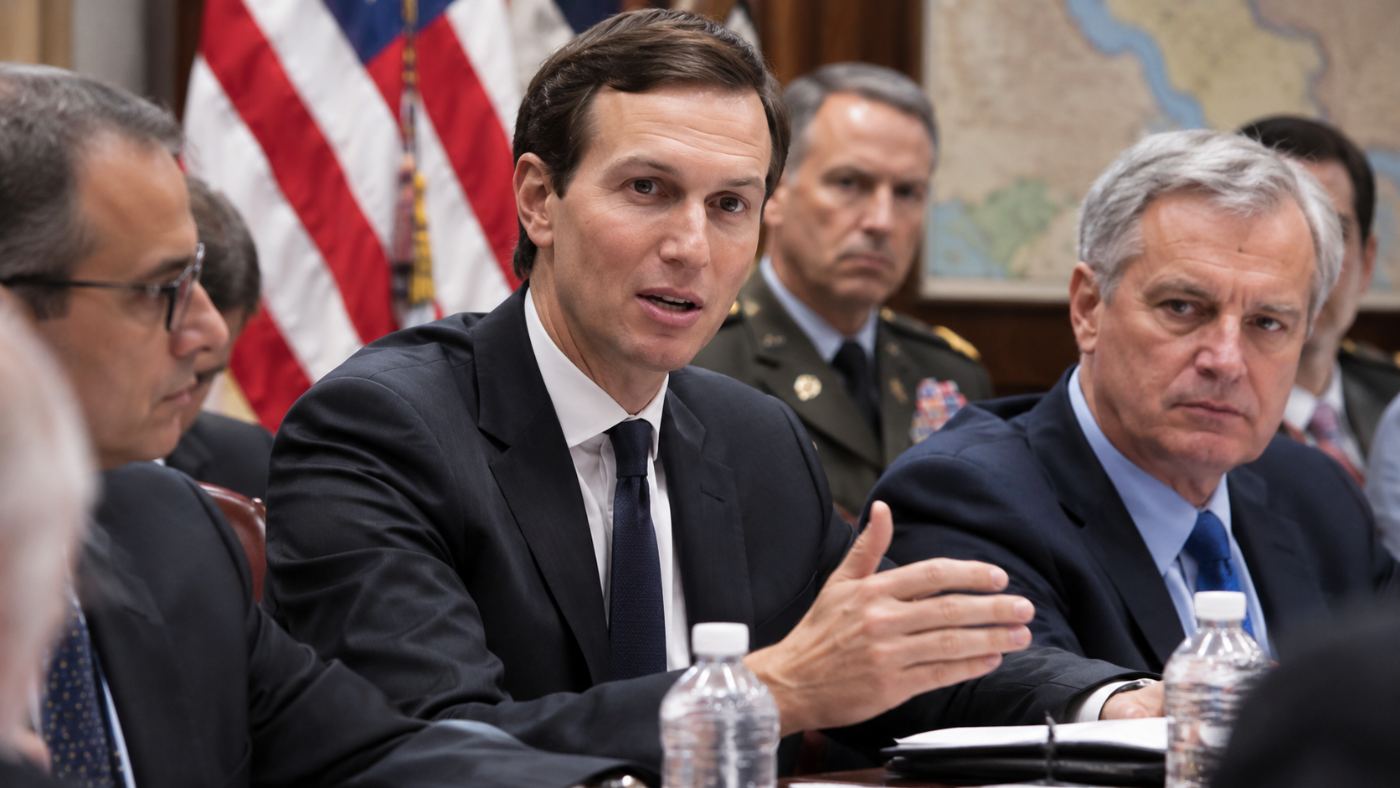
Jared Kushner, President Donald Trump's son-in-law and an influential American peace negotiator, is facing renewed scrutiny after financial filings revealed that his private investment firm held a $32 million stake in a defense contractor supplying equipment used in the very conflicts he has been assigned to help resolve.
According to reporting published by The Atlantic on November 19, Kushner's investment firm, Affinity Partners, acquired 689,411 shares in Arxis, an American defense manufacturer producing components for fighter jets, naval destroyers, nuclear submarines, and missile defense systems.
The investment raises questions about the intersection of Kushner's private financial interests and his role representing the United States in sensitive international negotiations.
A Defense Investment Kept Out of Public View
The Atlantic reported that Affinity failed to disclose its Arxis investment in an August regulatory filing.
The company subsequently amended its filing on November 5, just two days after the midterm elections, revealing the previously omitted stake.
The amended disclosure offered no public explanation for the earlier omission.
Arxis manufactures components used by major American defense contractors, including suppliers supporting military operations in the Middle East and the Russia-Ukraine conflict.
These are regions where Kushner has participated in diplomatic negotiations on behalf of the Trump administration.
The company's business benefits from continued military spending, creating a potential conflict between Kushner's financial interests and his diplomatic responsibilities.
Another Investment Connected to the Gaza War
The Arxis disclosure follows an October CNN investigation documenting Affinity Partners' substantial investment in Phoenix Financial, an Israeli financial services company.
Phoenix has invested hundreds of millions of dollars in companies supplying weapons, equipment, and technology to Israel's military.
Affinity became Phoenix's largest shareholder while Kushner was helping negotiate an end to the Gaza conflict.
CNN reported that Affinity sold approximately one-quarter of its Phoenix stake in July for more than $340 million, representing a return exceeding five times its initial investment.
The firm retained a substantial ownership position.
CNN found no evidence that Kushner's diplomatic decisions directly influenced those investments.
Nevertheless, the overlapping financial and diplomatic relationships have prompted questions about whether private profits could influence American foreign policy.
Billions From Foreign Governments
Kushner established Affinity Partners after leaving the White House in 2021.
The firm subsequently received billions of dollars from foreign investors, including Saudi Arabia's sovereign wealth fund.
By 2026, Affinity reported managing more than $6 billion, with approximately 99 percent of its capital coming from foreign investors.
Kushner has continued participating in high-level diplomatic negotiations without holding a conventional government position.
That arrangement has drawn criticism because it limits the financial disclosure requirements normally associated with senior federal officials.
In October, the watchdog organization Citizens for Responsibility and Ethics in Washington filed a lawsuit seeking financial disclosures it argues Kushner is legally required to provide.
Peace Negotiator or Private Investor?
Kushner has rejected allegations that his business interests influence his diplomatic work. He maintains that his international relationships help facilitate negotiations.
No public evidence establishes that Kushner deliberately prolonged a conflict or directed military spending to benefit his investments.
But the financial disclosures present an unresolved ethical question.
When someone helping negotiate peace also owns interests in companies benefiting from military spending, Americans have a legitimate interest in knowing where public responsibilities end and private financial interests begin.
The latest revelations make financial transparency surrounding Kushner's diplomatic role increasingly important.