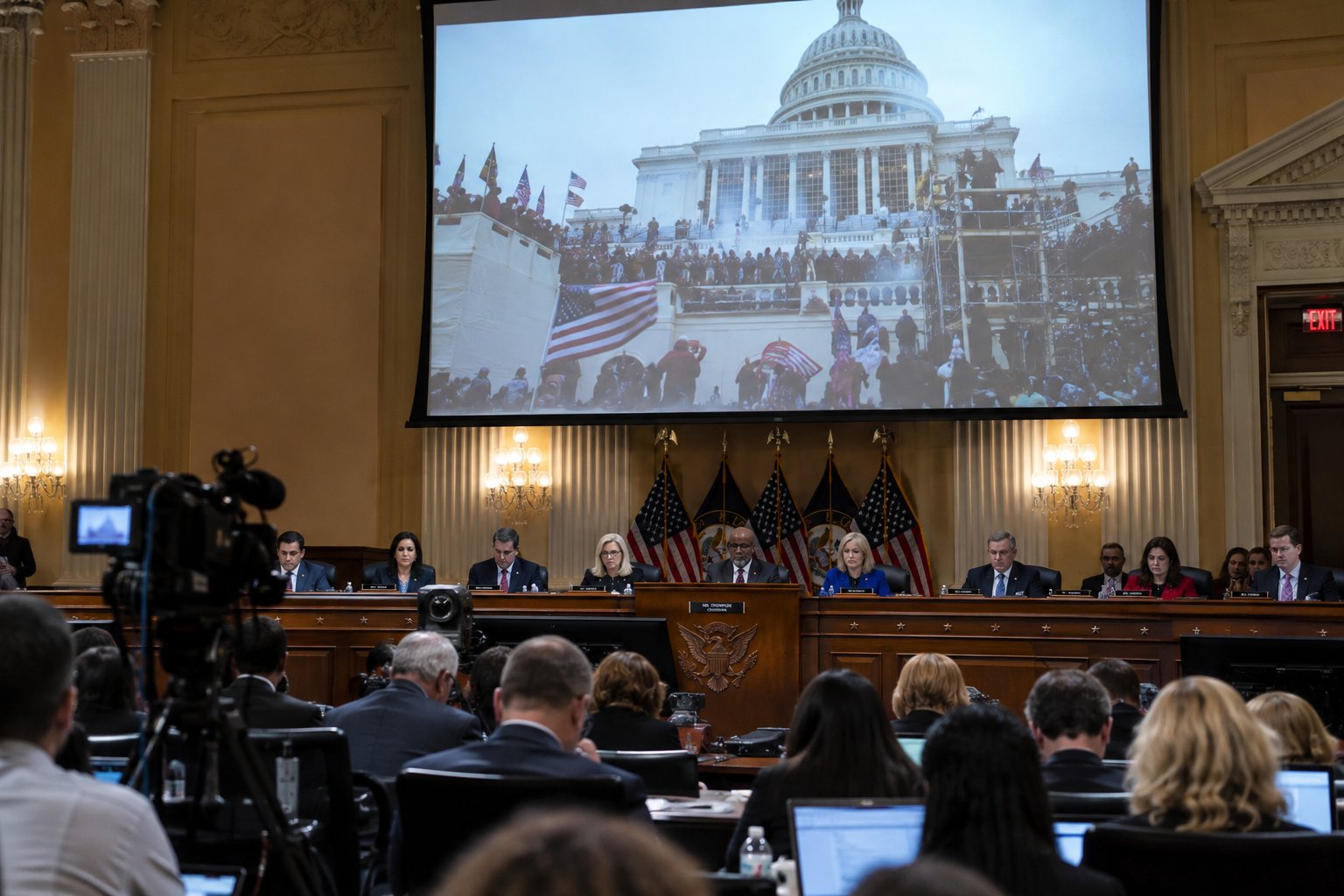
The House committee investigating the January 6 attack on the United States Capitol formally subpoenaed former President Donald Trump on Friday, demanding documents and sworn testimony about his efforts to overturn the 2020 presidential election and prevent the peaceful transfer of power.
The extraordinary action places Trump himself at the center of a congressional investigation that has already exposed extensive evidence of pressure campaigns, false election fraud allegations, and attempts to interfere with the certification of Joe Biden's victory.
Committee Chairman Bennie Thompson, a Mississippi Democrat, and Vice Chair Liz Cheney, a Wyoming Republican, signed the subpoena letter following the panel's unanimous vote last week to compel Trump's testimony.
The committee is demanding that Trump produce documents by November 4 and appear for a deposition under oath beginning on or about November 14.
Investigators Say Trump Personally Directed the Effort
In their letter, Thompson and Cheney accused Trump of personally overseeing a coordinated effort to overturn an election he lost.
The committee's investigation has documented how Trump repeatedly promoted allegations of widespread election fraud despite being told by senior advisers, Justice Department officials, and members of his own administration that the claims were unsupported.
Investigators have also examined Trump's pressure on state election officials, his efforts to persuade the Justice Department to support his allegations, and his attempts to convince Vice President Mike Pence to reject legitimate electoral votes.
The committee alleges that these efforts were part of a broader campaign to keep Trump in power after voters had rejected his bid for a second term.
What Happened on January 6?
On January 6, 2021, Congress gathered to certify the Electoral College results confirming Biden's victory.
Trump addressed thousands of supporters near the White House, repeated false claims that the election had been stolen, and urged the crowd to march toward the Capitol.
A violent mob subsequently breached police barricades, assaulted law enforcement officers, smashed windows, and forced lawmakers to flee or shelter inside the building.
The attack interrupted the constitutional process of certifying the presidential election.
During its public hearings, the committee presented testimony indicating that Trump resisted repeated requests from advisers and family members to publicly intervene as the violence unfolded.
Investigators have also highlighted Trump's criticism of Pence during the attack, even as the vice president was being evacuated to safety.
The committee now wants Trump to answer questions about his own actions and communications during those critical hours.
What the Committee Wants From Trump
The subpoena seeks 19 categories of records, including communications with members of Congress, White House officials, political advisers, attorneys, and individuals connected to efforts to challenge the election results.
Investigators are seeking information about Trump's conversations with figures including Rudy Giuliani, John Eastman, Steve Bannon, Roger Stone, and Michael Flynn.
The committee also wants records concerning the plan to submit alternative slates of electors from states Biden won, Trump's communications about Pence's role in certification, and his activities during the Capitol attack.
These records could help establish how closely Trump coordinated with individuals attempting to prevent Congress from recognizing the election results.
A Former President Called to Answer Questions
Compelling testimony from a former president is an unusual step, but congressional investigators argue that Trump's position does not exempt him from providing evidence.
Thompson and Cheney acknowledged the historic nature of the subpoena while pointing to previous presidents who testified before Congress.
Trump has repeatedly denounced the January 6 committee as politically motivated and continues to insist, without substantiated evidence, that the 2020 election was stolen.
Whether he will comply with the subpoena remains uncertain. His attorneys could challenge the demand in court, potentially delaying the committee's efforts.
The Questions That Remain
The January 6 committee has spent months gathering testimony, documents, text messages, and other evidence about the effort to overturn the election.
Much of that evidence has come from Republicans, former Trump administration officials, and individuals who worked directly with the president.
But investigators still want answers from the person whose conduct lies at the center of their inquiry.
What did Trump know about the potential for violence? What instructions did he give his advisers? Why did he continue pressuring Pence after being told the vice president lacked authority to overturn the results? And why did he fail to act more quickly as the Capitol came under attack?
Those are among the questions congressional investigators now want Trump to answer under oath.
The subpoena does not establish criminal wrongdoing. But it represents a significant escalation in Congress's effort to investigate the attack and the attempt to disrupt the transfer of presidential power.
For the first time, the January 6 committee has formally demanded that Donald Trump himself provide sworn testimony about the events that brought American democracy to the brink of a constitutional crisis.